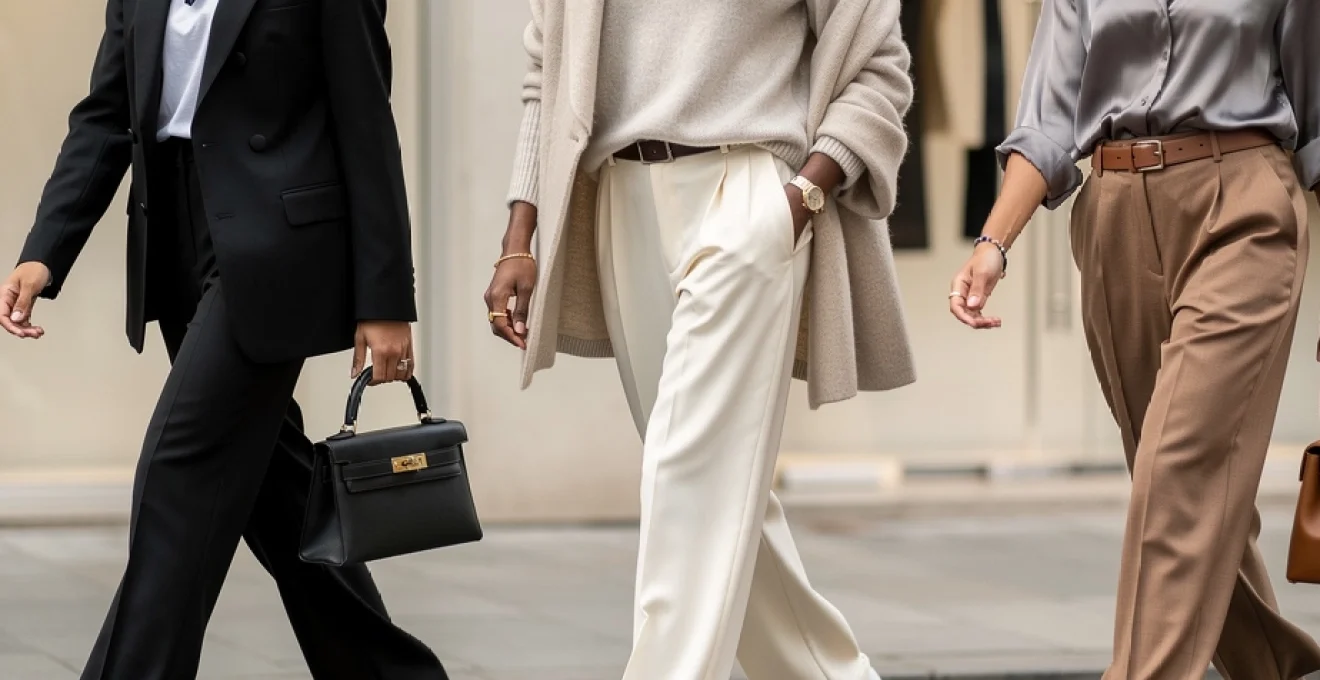
The art of elevated dressing lies not in owning the most expensive wardrobe, but in understanding how strategic choices can transform the simplest outfits into sophisticated ensembles. Modern fashion has evolved beyond rigid dress codes, embracing a more nuanced approach where quality, fit, and thoughtful styling create instant refinement. Whether you’re navigating professional environments or social gatherings, the ability to elevate everyday pieces through deliberate selection and expert styling techniques has become an invaluable skill that speaks to both personal confidence and professional acumen.
Wardrobe foundation pieces that transform basic outfits
The cornerstone of elevated dressing rests upon carefully selected foundation pieces that serve as the backbone of countless sophisticated outfit combinations. These investment items work like architectural elements in your wardrobe, providing structure and refinement that immediately distinguishes your look from the ordinary. Unlike trendy pieces that quickly lose their relevance, foundation garments possess the timeless quality that allows them to transcend seasonal fluctuations whilst maintaining their transformative power.
Structured blazers: saint laurent le smoking and affordable alternatives
The structured blazer remains the most versatile piece for instant outfit elevation, with Saint Laurent’s Le Smoking jacket setting the gold standard for impeccable tailoring and sophisticated silhouettes. This iconic piece demonstrates how precise construction and attention to detail create garments that effortlessly transform casual separates into polished ensembles. The sharp shoulders, defined waistline, and quality lapel construction of premium blazers create a visual framework that enhances your natural proportions whilst projecting confidence and professionalism.
Affordable alternatives from brands like COS, Zara, and & Other Stories offer similar structural benefits through careful attention to fit and fabric selection. When selecting blazers at various price points, focus on shoulder fit above all else, as this element cannot be easily altered and significantly impacts the overall silhouette. The investment in a well-fitted blazer pays dividends across countless outfit combinations, from elevating weekend denim to adding sophistication to simple dresses.
Premium knitwear investment: cashmere jumpers from brunello cucinelli to COS
Premium knitwear represents one of the most effective routes to instant outfit elevation, with cashmere jumpers offering unparalleled luxury and versatility. Brunello Cucinelli’s cashmere pieces exemplify how superior materials and expert craftsmanship create garments that age beautifully whilst maintaining their shape and softness through countless wears. The natural drape and subtle sheen of quality cashmere immediately distinguish it from synthetic alternatives, creating an aura of refined elegance that elevates even the most casual outfit combinations.
Mid-range options from brands like COS, Arket, and Selected Femme provide accessible entry points into premium knitwear without compromising on quality. When evaluating cashmere investments, examine the ply construction and gauge weight, as these technical aspects directly impact durability and appearance. Two-ply cashmere offers superior longevity compared to single-ply alternatives, whilst medium-gauge knits provide optimal versatility for year-round styling across different climate conditions and occasion requirements.
Statement footwear: louboutin pumps, common projects trainers, and bottega veneta boots
Footwear serves as the foundation upon which your entire outfit rests, making quality shoe investments essential for achieving consistently elevated looks. Christian Louboutin’s signature pumps demonstrate how expert construction and distinctive design details create shoes that instantly sophisticate any ensemble, from tailored trousers to flowing midi skirts. The precise heel placement and arch support of luxury footwear not only enhance your posture but also contribute to the overall polish of your appearance.
Common Projects trainers represent the elevated casual footwear category, proving that sneakers can maintain sophistication through minimalist design and premium leather construction. Their clean lines and subtle branding create versatile pieces that bridge the gap between comfort and refinement. Similarly, Bottega Veneta’s signature boots showcase how innovative design techniques and superior materials create statement pieces that anchor sophisticated outfits whilst providing practical wearability for daily activities.
Tailored trousers: Wide-Leg silhouettes from max mara and ple
ated styles
Tailored trousers form the backbone of elevated everyday outfits, providing a refined alternative to basic denim whilst remaining just as versatile. Wide-leg silhouettes from houses like Max Mara demonstrate how fluid drape and precise pleating can lengthen the leg line and create an instant sense of ease and sophistication. When trying on tailored trousers, pay close attention to rise height, pocket placement, and hem length, as these subtle elements significantly influence how polished the final look appears.
Pleated styles, whether single or double pleat, add structure and movement that immediately reads more considered than flat-front designs. For an elevated workwear outfit idea, consider pairing high-waisted pleated trousers with a simple cotton T-shirt, structured blazer, and minimalist trainers. If you struggle with fit off the rack, minor tailoring adjustments to the waistband or hem can transform an almost-right pair into a wardrobe workhorse that elevates everything from knitwear to crisp shirting.
Fabric selection and quality indicators for elevated aesthetics
Beyond silhouette, fabric quality is the factor that most reliably separates an average outfit from one that feels truly elevated. High-quality textiles drape more elegantly, resist pilling and fading, and maintain their structure through repeated wear, all of which contribute to a consistently polished appearance. As consumers become more conscious of cost-per-wear and sustainability, investing in better fabrics has shifted from luxury to smart strategy. Understanding what to look for in materials allows you to make informed choices, even when shopping at high-street price points.
When you begin to notice fabric composition labels, weave types, and finishing details, you start seeing your wardrobe less as a collection of trends and more as a curated toolkit. Quality fabrics often feel subtly heavier in the hand, recover better from creasing, and have a more nuanced surface texture compared to their cheaper counterparts. Like learning to distinguish good coffee from instant, once you recognise the difference in textiles, it becomes difficult to return to lower-quality options that undermine an otherwise carefully styled outfit.
Natural fibre supremacy: wool, silk, and linen construction details
Natural fibres such as wool, silk, and linen have long been associated with elevated dressing due to their superior breathability, comfort, and visual richness. Fine merino wool offers temperature regulation that makes it ideal for layering pieces, from lightweight knits to tailored suiting, while still feeling soft against the skin. Silk, with its natural sheen and fluid movement, instantly lifts simple silhouettes like bias-cut skirts and classic blouses, making them suitable for both day and evening wear.
Linen, once reserved for high-summer wardrobes, has become a year-round staple in modern elevated basics thanks to its relaxed yet refined texture. High-quality linen will soften over time without losing its integrity, and the subtle creasing is now viewed as a marker of nonchalant sophistication rather than imperfection. When assessing natural fibre garments, look for information on yarn count, origin (for example, Italian or Irish linen), and finishing processes; these details often indicate better performance and visual appeal in everyday outfits that you want to feel more elevated.
Thread count and weave patterns in premium cotton shirting
Cotton shirting remains a key player in elevated everyday dressing, but not all cotton shirts are created equal. Thread count, often expressed as numbers like 80s or 120s, refers to the fineness of the yarns used: higher numbers usually indicate smoother, more refined fabric suitable for formal or business-casual looks. However, extremely high thread counts can be delicate, so for everyday elevated outfits, mid-range counts offer a pragmatic balance between luxury and durability.
Weave patterns such as poplin, twill, and Oxford also shape how premium cotton shirts appear and perform. Poplin delivers a crisp, smooth finish ideal for sharp office dressing, while twill offers subtle diagonal texture that resists creasing and reads slightly softer. Oxford weaves, with their basket-like construction, create a more casual yet still polished effect, perfect for smart-casual outfits that need to look intentional without feeling overly formal. Understanding these distinctions helps you choose the right shirt to elevate everything from jeans to tailored separates.
Recognising quality hardware: YKK zippers, horn buttons, and metal finishes
Hardware details often seem minor, yet they significantly influence how elevated a garment or accessory appears and performs over time. Quality zippers from manufacturers like YKK are renowned for their reliability and smooth operation, reducing the likelihood of snagging or breakage that can instantly cheapen an outfit. When a brand invests in premium zips and closures, it usually signals broader attention to construction quality throughout the piece.
Buttons are another subtle marker of refinement, with genuine horn, mother-of-pearl, or well-finished metal buttons elevating even minimalist designs. Cheaper plastic buttons can detract from an otherwise sophisticated blazer or coat, whereas considered hardware adds depth and tactility. Metal finishes on bag clasps, belt buckles, and jewellery should feel weighty and secure rather than hollow or overly shiny. As you refine your wardrobe, you may even find it worthwhile to replace low-grade buttons or buckles on well-cut garments to enhance their perceived value and longevity.
Fabric weight and drape: understanding GSM measurements
Fabric weight, often expressed as GSM (grams per square metre), plays a crucial role in how garments hang on the body and how elevated they appear. Lightweight fabrics create movement and fluidity, ideal for blouses, dresses, and summer tailoring, but can look flimsy if too sheer or unstructured. Medium-weight fabrics in the 180–250 GSM range often strike the sweet spot for everyday elevated outfits, providing enough substance to drape cleanly without feeling heavy.
Heavier fabrics above 300 GSM, such as dense wool suiting or structured cotton twill, lend authority and architectural lines that can transform the simplest outfit formula into something highly polished. Think of GSM like the foundation in a building: too light, and the structure lacks presence; too heavy, and it becomes cumbersome for daily wear. When you next shop online, pay attention to fabric weight indicators in product descriptions; this single metric can help you predict whether a piece will skim the body elegantly or cling and crease in ways that undermine its sophistication.
Colour theory applications for sophisticated outfit coordination
Colour is one of the most powerful yet underutilised tools for making everyday outfits feel elevated without adding complexity. Strategic use of colour theory allows you to create combinations that look intentionally styled, even when composed of simple basics. Monochromatic outfits, built from varying tones of a single colour, instantly appear more luxurious because they create visual continuity and lengthen the silhouette. For instance, pairing taupe trousers with a stone knit and a deeper camel coat offers depth and dimension while remaining effortless.
Complementary and analogous colour schemes provide further options for sophisticated coordination. Soft contrasts like navy with warm beige, or olive with cream, deliver refinement that is both modern and wearable across office and off-duty settings. You might ask, how do you balance experimentation with timelessness? A reliable method is to anchor your look in neutrals—black, navy, grey, camel, ivory—and introduce one accent shade through accessories or a single garment. This approach keeps your outfits versatile while still allowing personal expression through colour.
Accessory styling techniques for instant outfit elevation
Accessories function as the finishing syntax of your outfit, turning a basic sentence into a well-crafted paragraph. A simple jeans-and-shirt combination can suddenly feel intentional and elevated with the addition of a structured belt, considered jewellery, and a refined handbag. The key lies not in piling on as many accessories as possible, but in curating a small selection that complements your proportions and colour palette. Think of accessories as punctuation: a full stop, comma, or exclamation point can completely change the tone of your look.
When building an elevated accessories collection, prioritise pieces with clean lines, quality materials, and versatile colourways. Neutral-toned leather handbags, minimalist gold or silver jewellery, and silk or cashmere scarves will integrate seamlessly into most wardrobes. As with clothing, consistency in metal tones and hardware finishes (for example, choosing mostly gold or mostly silver) helps your accessories work together, making it easier to assemble polished outfits on busy mornings.
Statement jewellery layering: tiffany & co. chains and monica vinader stacking
Jewellery layering has become a modern styling tool for adding depth and personality to everyday outfits without compromising elegance. Delicate chains from brands like Tiffany & Co. can be layered at different lengths to frame the face and neckline, transforming a plain T-shirt or knit into something instantly more considered. The contrast between a fine choker-length chain and a slightly heavier mid-length piece creates visual interest that draws the eye upward.
Monica Vinader is renowned for stackable bracelets and rings that make curated layering accessible, allowing you to adjust the intensity of your jewellery depending on the occasion. For a subtle daytime look, you might opt for one chain necklace, a slim bracelet, and a single statement ring; in the evening, adding a second necklace or additional ring stack can elevate the same base outfit. If you are unsure where to start, choose one metal tone and one focal area—neck, wrist, or hands—and gradually build a cohesive collection rather than buying isolated statement pieces that struggle to integrate.
Luxury handbag selection: hermès kelly proportions and celine luggage alternatives
A well-chosen handbag can anchor an outfit and significantly influence how elevated it appears. The Hermès Kelly is often cited as the archetype of a structured, timeless bag, with its balanced proportions, refined hardware, and impeccable craftsmanship. While few wardrobes will revolve around such an investment piece, studying its design principles—clean lines, moderate logo presence, and practical yet elegant top-handle structure—provides a useful reference when assessing more accessible options.
Brands like Celine have translated similar values into contemporary icons such as the Luggage and Belt bags, offering architectural silhouettes that instantly smarten casual looks. When selecting an elevated everyday handbag, focus on shape, scale relative to your frame, and leather quality rather than chasing prominent logos. Medium-sized bags in neutral tones like black, taupe, or deep burgundy offer the most versatility, seamlessly transitioning from office commutes to evening plans while subtly signalling refinement.
Scarf styling methods: hermès carré techniques and oversized wraps
Scarves are one of the most effective tools for adding colour, pattern, and texture to otherwise minimal outfits. The Hermès Carré—its classic silk square—has inspired countless styling tutorials, from simple neck ties to more intricate knots that mimic jewellery. A silk scarf tied close to the neck can transform a basic crew-neck knit into a French-inspired, polished look, while a loosely draped triangle shape adds relaxed sophistication to a trench coat or blazer.
Oversized wool or cashmere wraps serve a different yet equally valuable function, introducing volume and soft structure that can rebalance proportions. Draped across the shoulders over a monochrome outfit, a large scarf creates visual interest and a sense of cosy luxury, ideal for travel days or transitional weather. If you feel intimidated by scarf styling, start with one or two go-to methods—such as a simple loop or triangle drape—and gradually experiment as your confidence grows. Much like learning to plate food attractively, a few small techniques can dramatically enhance the final presentation.
Belt positioning and proportional guidelines for silhouette enhancement
Belts are often underestimated, yet their placement can completely transform your silhouette and the perceived quality of an outfit. Positioning a belt at your natural waist, rather than on the low hip, instantly defines shape and elevates loose dresses, oversized blazers, or long knitwear. This technique creates a deliberate focal point and prevents voluminous pieces from overwhelming your frame.
For trousers and jeans, selecting a belt width that corresponds to the belt loops and your body proportions is crucial. Slim belts work well with tailored pieces and petite frames, while slightly wider styles can ground casual denim or wide-leg trousers. Opting for quality leather and refined buckles—think brushed metal, simple shapes, and minimal branding—ensures the belt reads as part of a considered outfit rather than an afterthought. When in doubt, ask yourself whether the belt enhances the line of the garment or disrupts it; the most elevated choices will quietly support your overall silhouette.
Fit and tailoring principles for polished appearance
Even the most luxurious fabrics and iconic pieces lose impact if the fit is not precise. Tailoring is the silent partner of elevated dressing, turning off-the-rack garments into bespoke-feeling staples that flatter your unique proportions. A survey of personal styling clients consistently shows that simple alterations—hemming trousers, nipping in waistbands, or shortening sleeves—have a greater effect on perceived polish than upgrading to designer labels. Think of tailoring as editing: removing excess fabric and refining lines so that the garment tells a clearer, more harmonious story on your body.
Key fit checkpoints vary by garment: shoulder seams should align with the edge of your shoulder; blazer sleeves should end around the wrist bone, allowing a hint of shirt cuff if you wear one; trouser hems should just skim the top of your shoe without pooling. If you are unsure whether an item is worth tailoring, ask whether the fabric and overall design feel timeless enough to justify the investment. Over time, working with a trusted tailor can become as integral to your wardrobe maintenance as regular shoe care or dry cleaning, ensuring your everyday outfits always feel just a touch more elevated than expected.
Styling formulas for different occasions and dress codes
Having a few reliable styling formulas for different scenarios removes the guesswork from getting dressed while guaranteeing an elevated result. For business-casual environments, a structured blazer, tailored trousers, fine-gauge knit, and minimalist leather loafers or pumps create a polished uniform you can replicate in multiple colourways. For smart-casual events, swapping trousers for dark, straight-leg denim and adding statement jewellery offers a slightly more relaxed yet still sophisticated look.
Weekend and off-duty dressing also benefit from clear formulas: consider pairing premium denim with a high-quality T-shirt, cashmere cardigan, and sleek trainers for a refined casual ensemble. For evening occasions that are not strictly formal, a slip dress layered under an oversized blazer with heeled boots strikes the balance between ease and intention. The goal is not to memorise rigid rules but to develop a small repertoire of outfit templates that you can adapt with different accessories, colours, and fabrics. Once you recognise which combinations consistently make you feel polished, elevating your everyday outfits becomes less about effort and more about well-practised habit.