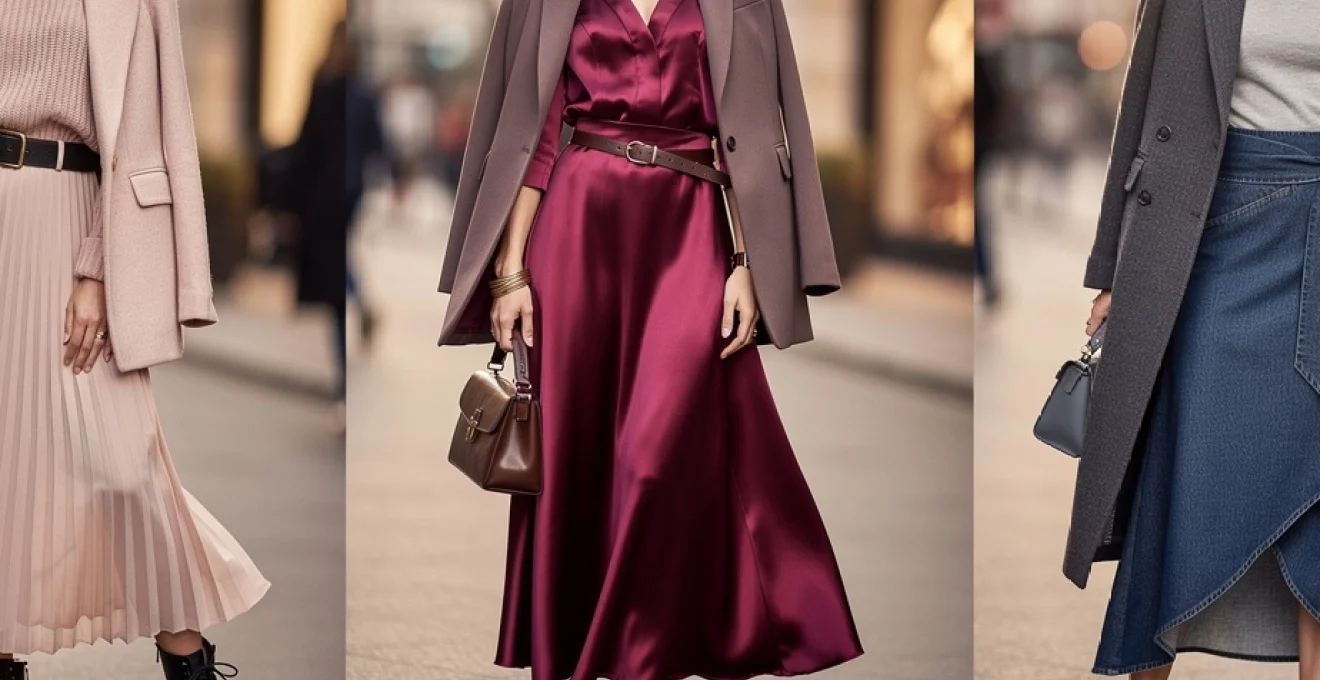
The fashion landscape has witnessed a remarkable transformation in recent years, with long skirts emerging from the periphery to claim their rightful place as wardrobe essentials. Once relegated to specific occasions or perceived as limiting, these flowing garments now offer unprecedented versatility and sophistication. The contemporary approach to styling long skirts extends far beyond traditional pairings, embracing unexpected combinations, innovative layering techniques, and proportion play that challenges conventional fashion wisdom. Whether you gravitate towards tailored column silhouettes, romantic tiered designs, or structured pleated styles, understanding the nuances of styling long skirts can revolutionise your approach to dressing for every occasion imaginable.
Mastering silhouette proportions: balancing long skirts with strategic top selections
The foundation of successfully styling long skirts lies in understanding the interplay between volume, length, and proportion. When you’re working with a garment that extends below the knee—or even reaches the ankle—the visual weight distribution becomes paramount. The key principle centres on creating balance: voluminous skirts demand fitted tops, whilst sleek column skirts can accommodate more relaxed upper garments. This fundamental understanding transforms how you approach your wardrobe, enabling you to craft silhouettes that flatter your frame whilst expressing personal style preferences.
Cropped jumpers and boxy jackets: creating visual break points
Cropped jumpers serve as exceptional companions to high-waisted maxi skirts, establishing a defined visual break that prevents the elongating effect from overwhelming your frame. The strategic exposure of the waistband creates an anchoring point that draws the eye, effectively segmenting your silhouette into balanced proportions. When selecting cropped styles, aim for hemlines that hit precisely at the natural waist or just below—anything shorter risks creating an awkward gap, whilst longer lengths negate the intentional break point.
Boxy jackets introduce structured elements that counterbalance the flowing nature of long skirts. The geometric lines of a cropped blazer or denim jacket establish architectural interest, particularly when paired with more fluid fabrics like silk or chiffon. Consider the shoulder line as your focal point; strong, defined shoulders create a visual triangle that grounds flowing skirts beautifully. This technique proves especially effective for petite frames, where maintaining proportion becomes crucial to avoiding being swallowed by fabric.
Fitted bodysuits and tucked blouses: defining the natural waistline
The bodysuit has emerged as a game-changing foundation piece for long skirt styling, eliminating the perpetual tucking and adjusting that plagues traditional tops. The seamless line from shoulder to hip creates an uninterrupted silhouette that allows your skirt to take centre stage. Long-sleeved bodysuits in neutral tones provide exceptional versatility, transitioning effortlessly from professional settings to evening occasions. The beauty lies in the clean lines—no bunching fabric, no awkward lumps beneath waistbands, just streamlined sophistication.
Tucked blouses require more deliberate styling but offer unparalleled elegance when executed properly. The French tuck—where you casually secure just the front portion of your shirt—works remarkably well with relaxed long skirts, introducing an element of nonchalant refinement. For more formal contexts, commit to a full tuck, ensuring the fabric sits smoothly against your body. The shirt material matters significantly; crisp cotton poplin maintains structure throughout the day, whilst silk charmeuse requires more frequent adjustment but delivers superior drape and movement.
Oversized blazers and structured coats: achieving editorial proportions
The oversized blazer paired with a sleek column skirt represents contemporary minimalism at its finest. This combination channels the aesthetic of 90s supermodels whilst feeling distinctly modern. The key lies in ensuring the blazer’s shoulder seam extends beyond your natural shoulder line by approximately two to three inches—enough to register as intentionally oversized without appearing ill-fitting. When you button an oversized blazer over a long skirt, particularly in monochromatic colourways, you create a powerful vertical line that commands attention.
Structured coats elevate long skirt ensembles into statement-making outfits worthy of
cinematic street style. A sharply tailored coat in wool or cashmere worn over a long skirt creates a column of colour that lengthens the body, particularly when both pieces sit in the same tonal family. To avoid looking overwhelmed, keep what’s underneath streamlined: a fine-gauge knit, slim turtleneck or fitted tee prevents the outfit from skewing bulky. Pay attention to coat length too; mid-calf or just above the ankle tends to harmonise best with maxi skirts, allowing you to showcase a hint of boot or heel without breaking the vertical line.
Asymmetric hemlines and layered tops: playing with vertical lines
Asymmetric hemlines and layered tops introduce subtle complexity that can transform a simple long skirt outfit into something editor-approved. Think of them as tools to guide the eye: when you wear an asymmetric knit or wrap cardigan over a straight maxi skirt, the diagonal lines create movement and stop the look from feeling static. This technique works particularly well with monochrome styling, where the interest comes from shape rather than print. To keep proportions intentional rather than messy, limit yourself to two visible layers on the upper half and ensure at least one piece is close-fitting.
Layered tops can also be used to finesse tricky silhouettes, especially if you are experimenting with long skirts for the first time. A slim turtleneck under a boxy short-sleeved shirt, half-tucked into a fluid maxi, builds vertical depth without adding bulk. Likewise, a longline tank worn under a cropped jacket creates a stacked effect of hemlines that feels modern yet wearable. When in doubt, treat your outfit like architecture: balance each soft, draped element (like a bias-cut skirt) with something structured or directional on top.
Fabric-specific styling techniques: from pleated chiffon to heavy denim
Not all long skirts are created equal, and fabric choice can completely change how a piece behaves on the body. A bias-cut satin maxi will cling and skim in a way that a stiff denim A-line never will, so your styling strategy needs to adapt accordingly. Understanding how different textiles move, crease and reflect light is crucial if you want your long skirt outfits to look considered rather than improvised. By tailoring your approach to each fabric, you unlock more mileage from your wardrobe and make smarter purchasing decisions in the long term.
Silk charmeuse and satin bias-cut skirts: draping for formal occasions
Silk charmeuse and satin bias-cut skirts are the evening wear heroes of the long skirt world, offering fluid movement and a high-impact sheen that photographs beautifully. Because these fabrics naturally highlight curves, balance is key: pairing them with clean, minimal tops prevents the look from tipping into excess. A fitted knitted tank, sleek bodysuit or simple silk camisole can all work, as long as they echo the refined mood of the skirt. For formal events, keep the colour palette restrained—think black, deep navy, champagne or jewel tones—and let the texture do the talking.
When styling silk and satin long skirts for special occasions, support garments matter. Lightweight shapewear shorts or slip skirts can smooth lines and prevent clinging in humid conditions, helping the fabric fall in that coveted liquid drape. Footwear should feel equally polished: pointed-toe slingbacks, barely-there strappy sandals or elegant mules elongate the leg without competing with the skirt. If you are worried about satin looking too “evening”, introduce a soft contrast with a matte knit or tailored blazer; the interplay between shine and structure creates a sophisticated, modern finish.
Cotton poplin and linen a-lines: achieving effortless summer elegance
Cotton poplin and linen A-line long skirts excel in warm weather, offering breathability and a crisp yet relaxed silhouette. Their inherent structure means they naturally hold their shape, which is ideal if you prefer a defined outline over clingy fabrics. To maximise that effortless summer elegance, pair these skirts with lightweight tops that echo their easy mood: ribbed tanks, open-weave knits and breezy button-down shirts all align beautifully. If you are travelling, a cotton or linen maxi skirt is especially practical, as it can transition from beach to city with only a change of shoes and accessories.
Because poplin and linen can crease, deliberate styling becomes part of the charm. Embrace a slightly rumpled texture by rolling sleeves, opting for relaxed half-tucks and keeping accessories organic—think woven belts, raffia bags and leather slides. If you prefer a sharper look, a quick steam or pressing will restore structure, and a belt at the waist can instantly sharpen the line. Colour-wise, white, ecru and soft khaki remain perennial favourites for summer long skirt outfits, but saturated brights or stripes can add personality if your wardrobe leans neutral.
Wool crepe and ponte roma maxis: transitional autumn-winter layering
Wool crepe and ponte Roma long skirts are ideal for navigating transitional seasons, providing warmth without the bulk of heavy tailoring. Their mid-weight drape means they skim the body rather than cling, which makes them especially flattering for office-to-evening looks. For autumn, style a wool crepe maxi with a fine merino roll-neck and ankle boots, then add a tailored blazer for extra structure. In colder months, ponte Roma skirts pair beautifully with chunkier knits, yet still slip easily under long coats without bunching.
One advantage of these fabrics is their resilience: ponte, in particular, resists creasing and recovers shape well, making it a strong candidate for long workdays or travel. To keep outfits feeling intentional rather than heavy, consider tone-on-tone layering in charcoal, chocolate or deep olive, punctuated by a lighter top or statement belt. Textural contrast is your friend here; a ribbed cashmere jumper against the smooth surface of a wool crepe skirt creates subtle depth, similar to mixing different brushstrokes in a painting. If you are petite or concerned about looking swamped, opt for skirts that are just above the ankle and show a hint of boot or heel.
Pleated georgette and accordion styles: movement-driven styling approaches
Pleated georgette and accordion long skirts bring a kinetic quality to an outfit, catching the air and moving with every step. Because they carry built-in visual interest, the rest of your styling can stay relatively pared back. A simple fitted tee, fine knit or streamlined blouse will complement the vertical lines of the pleats without competing. If you are drawn to prints, micro patterns or subtle ombrés tend to work best, as large motifs can become visually noisy once pleated.
To make the most of the movement in pleated long skirts, pay attention to hemlines and footwear. A midi-maxi length that hits just above the ankle allows the pleats to fan out and showcases your shoes, adding a ballet-like grace to everyday looks. Belted waists are particularly effective, as they create a clear focal point before the pleats cascade downwards, rather like the stem and petals of a flower. For day, pair with minimalist trainers or loafers; for evening, switch to strappy heels and add a sleek blazer draped over your shoulders for an editorial finish.
Footwear pairing formulas: elevating long skirts through strategic shoe choices
Footwear can make or break a long skirt outfit, either reinforcing the intended mood or unintentionally disrupting your proportions. Because long skirts cover such a large portion of the body, the visible part of your shoe acts almost like punctuation at the end of a sentence. Are you aiming for a sharp exclamation mark or a soft, understated full stop? By approaching shoe selection through a few simple formulas, you can consistently create long skirt looks that feel cohesive, modern and flattering.
Chunky platform boots and combat styles: grounding flowing silhouettes
Chunky platform boots and combat styles are perfect for grounding delicate, flowing long skirts, creating a high-low contrast that feels distinctly contemporary. The weight of the boot visually anchors the outfit, preventing gauzy fabrics like chiffon or georgette from reading as too romantic or bohemian. This juxtaposition works particularly well with tiered or ruffled maxis, which gain instant attitude when styled with a solid, lug-soled boot. If you are unsure where to start, black leather ankle boots with a platform sole are the most versatile entry point.
When wearing chunky boots with long skirts, pay close attention to skirt length and boot shaft height. Ideally, the hem should either skim the top of the boot or fall just below mid-boot, so that no awkward horizontal line cuts across your calf. For colder months, add opaque tights in the same colour as your boots to create a visually unbroken leg line. This combination is especially effective for city dressing, offering practicality and comfort without sacrificing style.
Pointed-toe kitten heels and slingbacks: elongating the leg line
Pointed-toe kitten heels and slingbacks are a subtle yet powerful way to elongate the leg line when wearing long skirts. The tapered front creates the illusion of extra length, even when the heel itself is modest, making them ideal for all-day wear. These shoes particularly complement column skirts, satin bias cuts and sleek pencil maxis, where the overall mood is polished rather than casual. A low, two to three-centimetre heel can be enough to change your posture and the way the skirt drapes, adding a hint of formality without tipping into discomfort.
For office-ready long skirt outfits, pair a tailored wool maxi with a pointed slingback in black, nude or a rich jewel tone, and echo the shoe colour in your belt or bag. If you are attending an evening event, metallic kitten heels under a dark satin skirt create a subtle flash of light with each step. Concerned about pointed toes feeling too severe? Look for slightly softened almond shapes or slingbacks with a delicate strap, which retain the lengthening effect while appearing less sharp.
White trainers and minimalist sneakers: mastering high-low contrast
White trainers and minimalist sneakers have become non-negotiables in modern wardrobes, and they pair surprisingly well with long skirts when styled thoughtfully. The key is to embrace the high-low contrast: a crisp white sneaker against a refined satin, pleated or tailored maxi creates a deliberate tension that feels fresh. To keep the outfit cohesive, repeat the white elsewhere—perhaps in a tank top, shirt, or subtle accessory—so the trainers do not appear like an afterthought. Low-profile designs with clean lines tend to be the most versatile, especially if you want to wear them to the office on more relaxed days.
Silhouette balance is crucial when combining trainers and long skirts. A slim, column skirt often works best with a slightly chunkier sneaker to avoid the lower half looking overly narrow, whereas more voluminous A-lines and tiered skirts benefit from sleeker trainers that do not add unnecessary bulk. Think of this as a visual equation: where there is volume in the skirt, you streamline the shoe; where the skirt is lean, you can afford more presence at the foot. For travel or busy weekends, this formula gives you comfort without sacrificing the sophistication of a long skirt outfit.
Strappy sandals and mules: summer sophistication techniques
Strappy sandals and mules are natural allies for long skirts in warmer weather, offering ventilation and a touch of sophistication. Barely-there straps create negative space around the foot, which lightens the visual weight of maxi hemlines and enhances that breezy, effortless feel. For daytime, flat leather sandals with fine straps pair beautifully with cotton, linen and crochet skirts, especially when anchored with a coordinating belt or bag. In the evening, heeled mules or strappy block heels can instantly dress up the same skirt with minimal effort.
One effective technique is to match your sandal shade to your skin tone for a leg-lengthening effect, particularly if your long skirt features a side split or front vent. Alternatively, treat your shoes as the statement in an otherwise neutral outfit: a white maxi with black tank and bold red mules, for example, feels directional without becoming complicated. As with all open-toe styling, well-groomed feet and a simple pedicure go a long way, functioning almost like another accessory in the overall look.
Belting and waist definition methods: transforming shapeless maxis into structured ensembles
Belting is one of the most effective ways to transform a shapeless long skirt into a structured, intentional ensemble. Many maxi skirts—especially those cut on the bias or designed with elasticated waists—prioritise comfort over definition, which can occasionally read as boxy on the body. A belt acts like a visual anchor, cinching the waist and providing a clear focal point from which the rest of the fabric can flow. Whether you prefer minimal leather styles or bold statement buckles, strategically adding a belt can instantly refine an otherwise relaxed silhouette.
The type of belt you choose should correspond to both the fabric and mood of your long skirt outfit. Wide, structured belts work best with sturdier materials like denim, twill or wool, where they can mould the fabric without causing bulk. For fluid silks, jerseys or viscose blends, opt for slimmer belts or tie belts that knot softly without digging in. You can also experiment with belt placement: worn at the natural waist, it creates classic hourglass definition; positioned slightly higher, it can visually lengthen the legs and flatter petite frames. For a more fashion-forward take, try belting over a blazer or knit that sits atop your maxi skirt, effectively creating a layered, cinched-in midsection that feels distinctly contemporary.
Occasion-specific styling blueprints: office to evening transitions
One of the greatest strengths of long skirts is their inherent versatility; with a few deliberate tweaks, the same piece can carry you from the office to evening with ease. The secret lies in building a modular outfit that can be elevated or relaxed through accessories, footwear and outerwear. For a workday, you might pair a tailored column skirt with a crisp shirt, minimalist belt and low kitten heels, keeping jewellery understated and hair neat. As the day transitions into night, swapping the shirt for a silk camisole, adding a bolder lip colour and switching to higher heels can instantly recalibrate the look for dinner or drinks.
For more creative or relaxed workplaces, a pleated midi-maxi skirt worn with a fine knit and structured blazer offers polish without feeling overdone. Come evening, you can remove the blazer, layer on a statement necklace, and perhaps add a waist belt to shift the focus and create a more defined silhouette. Long skirts also excel for events where the dress code is ambiguous—think gallery openings, informal weddings or industry drinks—because they strike that sweet spot between casual and formal. When you approach your outfit as a series of interchangeable elements rather than a fixed look, long skirts become some of the hardest-working items in your wardrobe.
Accessorising long skirts: statement jewellery, bags, and layering necklaces for visual interest
Accessories are the finishing touch that elevate long skirt outfits from functional to memorable, adding depth and personality without requiring a complete wardrobe overhaul. Because long skirts often create expansive blocks of fabric, accessories help to break up the space and draw attention to key areas such as the face, waist or hands. Statement earrings, bold cuffs and layered necklaces all play different roles in shaping the final impression. Think of them as the styling equivalent of highlighting and contouring in beauty: subtle shifts that make a noticeable difference.
When accessorising long skirts, start by identifying your focal point. If your skirt has intricate detailing—pleats, embroidery, or a standout print—keep jewellery closer to the face with refined hoops, studs or a single pendant to avoid overwhelming the look. Conversely, if you are wearing a minimalist column skirt and simple top, you have more room to experiment with chunky chains, stacked bracelets or sculptural earrings. Layered necklaces work particularly well with long skirts and high-waisted silhouettes, as they echo the vertical lines and create a sense of elongation. Just remember to vary chain lengths and weights so the layers read as intentional rather than tangled.
Bags also contribute significantly to the overall mood of your long skirt styling. A structured top-handle bag paired with a tailored maxi immediately skews polished and professional, while a soft slouchy tote or woven basket bag will pull the same skirt towards a more relaxed, off-duty feel. Crossbody bags worn slightly higher can emphasise the waistline and subtly shape the silhouette, especially when worn over fluid fabrics. Ultimately, the goal is cohesiveness: when your jewellery, bag and shoes all tell the same style story as your long skirt, the result is an outfit that feels balanced, modern and entirely your own.