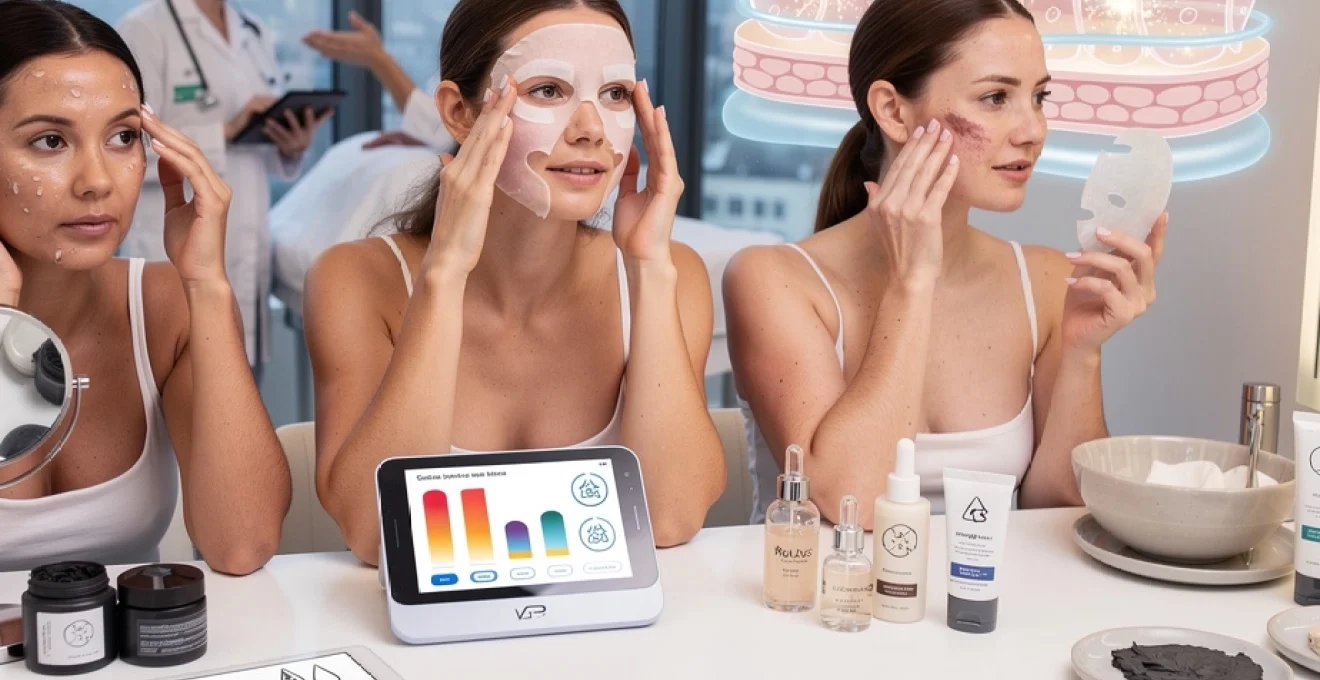
The integration of face masks into skincare routines has evolved far beyond the occasional pampering session into a sophisticated approach to targeted skin treatment. Modern dermatological understanding reveals that strategic mask implementation can significantly enhance treatment outcomes when properly timed and selected. The key lies not in frequency alone, but in understanding the complex interplay between your skin’s physiological state, existing treatment protocols, and environmental factors that influence optimal absorption and efficacy.
Professional skincare practitioners increasingly recognise that face mask application requires the same methodical approach as pharmaceutical treatments. The timing of mask incorporation affects everything from active ingredient penetration to potential adverse reactions. Whether you’re managing specific dermatological conditions or maintaining healthy skin barrier function, understanding these principles ensures you maximise therapeutic benefits whilst minimising unnecessary irritation or ingredient conflicts.
Skin type assessment for targeted face mask integration
Effective mask integration begins with comprehensive skin type analysis that extends beyond surface observations. Professional assessment considers sebaceous gland activity, transepidermal water loss rates, barrier function integrity, and inflammatory response patterns. This multifaceted evaluation determines not only which mask formulations are appropriate, but crucially, when they should be applied within your broader treatment protocol.
Sebaceous gland activity analysis for oily skin types
Individuals with elevated sebaceous gland activity require carefully timed mask application to avoid over-stimulating oil production. Clay-based masks containing bentonite or kaolin should be limited to twice weekly applications, preferably in the evening when cortisol levels naturally decline. The sebaceous glands demonstrate circadian rhythm patterns, with peak activity occurring during afternoon hours. Timing clay mask treatments for late evening application allows for overnight normalisation of sebum production without interfering with natural skin repair processes.
Research indicates that excessive clay mask frequency can trigger reactive hyperseborrhoea, where sebaceous glands increase production in response to perceived dehydration. This rebound effect typically manifests 24-48 hours post-treatment, making mid-week applications optimal for maintaining consistent sebum control throughout busy periods.
Transepidermal water loss evaluation in dry skin conditions
Dry skin types require mask integration strategies that support barrier repair whilst preventing further moisture depletion. Hydrating masks containing ceramides, hyaluronic acid, or squalane should be applied when transepidermal water loss rates are naturally lowest, typically during early evening hours. The skin’s natural moisture retention mechanisms function most effectively during the initial hours of the sleep cycle.
For individuals with compromised barrier function, overnight hydrating masks provide optimal results when applied 2-3 times weekly. However, the timing must accommodate other treatment products, particularly retinoids or alpha hydroxy acids, which can enhance penetration but potentially increase sensitivity if used concurrently.
Barrier function testing for sensitive and reactive skin
Sensitive skin types require the most cautious approach to mask integration, with timing considerations extending beyond daily application to encompass monthly hormonal fluctuations and seasonal environmental changes. Calming masks containing niacinamide, allantoin, or centella asiatica should be introduced during periods of minimal skin stress, avoiding the week preceding menstruation when inflammatory responses are heightened.
The concept of skin tolerance windows becomes crucial for reactive skin types. These optimal application periods occur when the skin’s inflammatory response is naturally suppressed, typically mid-cycle for menstruating individuals and during stable weather patterns when temperature and humidity fluctuations are minimal.
Combination skin zone mapping and T-Zone considerations
Combination skin presents unique timing challenges that benefit from multi-masking approaches applied at different intervals. The T-zone’s elevated sebaceous activity follows similar circadian patterns to oily skin types, whilst cheek areas may require hydrating treatments aligned with dry skin protocols. Professional zone mapping reveals that targeted mask application times can vary by as much as 12 hours between different facial areas for optimal results.
Evening applications allow for zone-specific treatments without interference from daytime environmental factors or makeup application. The T-zone can receive clarifying treatments whilst simultaneously applying hydrating formulations to drier areas, maximising treatment efficacy
when aligned with your skin’s natural repair cycle and your existing active treatments. Over time, this approach reduces the risk of over-stripping the T-zone while preventing dehydration across the cheeks and peri-oral area.
Active ingredient compatibility and contraindication protocols
Once you understand your skin type, the next step is to consider active ingredient compatibility. Masks are often highly concentrated, and when layered on top of serums, exfoliants, or prescription products, they can tip the balance from beneficial to irritating. Thinking of your skincare like a treatment plan rather than a series of isolated products helps you avoid common mistakes such as over-exfoliation, barrier disruption, and unnecessary inflammation.
Rather than focusing only on “what” mask to use, you also need to ask “with what?” and “when?”. Mask timing in relation to retinoids, acids, antioxidants, and peptides determines how well your skin tolerates the overall routine. A well-structured week of skincare usually alternates exfoliating, retinoid, and intensive masking nights, instead of stacking everything on the same evening.
Retinoid and alpha hydroxy acid interaction guidelines
Retinoids and alpha hydroxy acids (AHAs) are both powerful tools in a clinical-grade skincare routine, but combining them with active face masks requires caution. As a rule, avoid applying an exfoliating or low-pH AHA mask on the same night as prescription-strength retinoids, as this can significantly increase irritation, peeling, and post-inflammatory hyperpigmentation in susceptible skin. Instead, position your exfoliating face mask 48 hours away from your strongest retinoid night to give the barrier time to recover.
For over-the-counter retinol users, you can sometimes use mild lactic or mandelic acid masks in the same week, but not in the same routine. Think of AHAs as “prepping the canvas” and retinoids as “retraining the skin”; ask yourself which goal is more important that evening. If your priority is texture refinement before an event, schedule the AHA mask two or three days beforehand, and resume retinoids the following night if your skin shows no signs of redness or stinging.
Niacinamide and vitamin C layering restrictions
Niacinamide and vitamin C are frequently discussed together, yet in modern, stabilised formulas they are generally compatible. The complication arises when you introduce vitamin C-rich brightening masks into an already active routine. To minimise the risk of transient flushing or tingling, it is prudent to separate high-concentration vitamin C masks from your strongest niacinamide serums by at least one routine, especially if you are prone to sensitivity.
A practical approach is to use vitamin C masks in the morning on clean skin, followed only by a simple hydrating serum and sunscreen, and reserve niacinamide serums or calming niacinamide masks for the evening. This schedule allows you to benefit from the antioxidant protection of vitamin C during daytime UV exposure while leveraging niacinamide’s barrier-supporting and redness-reducing properties overnight.
Benzoyl peroxide and salicylic acid concurrent usage
Acne-prone skin often relies on both benzoyl peroxide (BP) and salicylic acid (SA), but layering these directly on top of each other can be excessively drying. When you add clarifying masks for acne that contain SA, charcoal, or sulfur into the mix, the risk of barrier damage increases further. To avoid this, use benzoyl peroxide as your primary leave-on treatment and position salicylic acid in rinse-off formats such as cleansers or short-contact masks on alternate days.
If you choose a salicylic acid mask, schedule it on nights when you skip benzoyl peroxide entirely and keep the rest of your routine minimal and hydrating. Monitor your skin for increased tightness, flaking around the mouth and nose, or stinging when applying moisturiser; these are early signs that your current rotation is too aggressive and that mask usage frequency should be reduced to once weekly.
Peptide and enzymatic exfoliant timing considerations
Peptide-based masks are often marketed for firming and anti-aging benefits, whereas enzymatic exfoliant masks rely on papain, bromelain, or other proteolytic enzymes to gently dissolve surface dead cells. Because enzymes work on proteins, it is more efficient to use them before peptide-rich products rather than at the same time. Applying an enzymatic mask first creates a smoother surface, enhancing subsequent peptide absorption without degrading the peptide molecules themselves.
A useful analogy is polishing a piece of wood before applying varnish: the polish (enzymatic mask) prepares the surface, and the varnish (peptide mask or serum) then adheres more evenly. In practice, use enzyme masks once or twice weekly in the evening, followed by a peptide serum or peptide sleeping mask, and avoid combining them with other strong exfoliants on the same night. This cadence maintains skin renewal while supporting collagen-signalling pathways.
Clinical treatment phase mask implementation strategies
Mask timing also changes depending on where you are in a clinical treatment plan, such as during a course of chemical peels, laser therapy, or prescription acne medication. In these phases, face mask integration should be seen as supportive care rather than an opportunity to add more actives. The primary objective is to reinforce barrier integrity, reduce inflammation, and improve comfort without disrupting the underlying medical treatment.
During the initial weeks of a new clinical protocol, stick to bland, hydrating, or soothing masks no more than once or twice weekly, and avoid introducing any new exfoliating or retinoid-based masks. As your skin adapts and your dermatologist gives clearance, you can gradually reintroduce targeted masks, spacing them at least three days away from in-clinic procedures such as microneedling or medium-depth peels to minimise the risk of post-treatment irritation.
Dermatological condition-specific mask scheduling
Chronic skin conditions such as acne, rosacea, melasma, and post-inflammatory hyperpigmentation demand more than generic advice about “pampering.” In these contexts, strategic mask scheduling becomes part of a long-term management plan designed to minimise flares and support clinical outcomes. You are not simply adding a mask because it feels nice; you are using it as a targeted, time-bound intervention to influence inflammation, pigment production, or barrier repair.
Working with a dermatologist or skin therapist can help you determine an appropriate cadence, but there are evidence-informed principles you can apply at home. For example, you might rely on anti-inflammatory masks around known trigger periods, such as post-procedure days or hormone-related breakout windows, while deploying brightening masks only once or twice weekly to avoid destabilising an already reactive complexion.
Post-inflammatory hyperpigmentation recovery protocols
Post-inflammatory hyperpigmentation (PIH) benefits from both pigment-modulating actives and disciplined trigger avoidance. When incorporating brightening masks for dark spots, timing is crucial: use them primarily in the evening to reduce the risk of photosensitivity and always pair with strict daily SPF use. Ingredients such as tranexamic acid, niacinamide, and vitamin C derivatives can be effective in mask form when used consistently over 8–12 weeks.
A structured PIH protocol may include one brightening mask night per week and one gentle exfoliating mask night, spaced several days apart. On the other evenings, keep your routine calming and barrier-focused. Think of the brightening mask as a “spotlight” session rather than a daily treatment; overuse can ironically lead to new inflammation and additional pigment, especially in deeper skin tones.
Acne vulgaris active breakout management
For acne vulgaris, mask use should reflect the dynamic nature of breakouts. During an active flare, prioritise purifying masks for acne breakouts that combine mild clay with anti-inflammatory agents like zinc, green tea, or allantoin, used no more than two or three times weekly. Short contact times (5–10 minutes) are often more beneficial than leaving masks on until they fully dry, which can compromise barrier function and exacerbate redness.
On calmer weeks, shift from aggressive oil-absorbing masks to barrier-supporting gel or cream masks to counteract the dryness often caused by prescription treatments such as isotretinoin or topical retinoids. This alternating schedule helps you manage both excess oil and treatment-induced sensitivity, rather than treating acne as a purely “oil” problem. Always avoid mechanically abrasive masks or scrubs, which can rupture pustules and spread bacteria.
Rosacea flare prevention and calming treatments
Rosacea-prone skin requires a particularly conservative approach to masking. The primary aim is to reduce flushing, burning, and visible redness without provoking a flare. Calming face masks for rosacea should focus on gentle humectants, ceramides, azelaic acid derivatives, and botanicals such as centella asiatica, avoiding fragrance, menthol, peppermint, or high-concentration alcohol. Apply these masks during cooler parts of the day, typically in the evening, when environmental temperature and UV exposure are lowest.
Because rosacea is strongly linked to vascular reactivity, keep mask sessions short—around 10–15 minutes—and rinse with cool (not cold) water. Many individuals find that scheduling a soothing mask 24–48 hours after known triggers (for example, intense exercise, travel, or alcohol consumption) helps stabilise the skin. However, any increase in stinging or visible capillaries is a sign to reduce frequency and consult a dermatologist before continuing.
Melasma and photoaging intervention timing
Melasma and photoaging are heavily influenced by cumulative light exposure, which means that mask timing relative to UV and visible light is critical. Brightening or pigment-regulating masks containing ingredients such as kojic acid, arbutin, or licorice extract should be reserved for evening use and followed by a bland moisturiser, never an additional acid. The next morning, you must apply a broad-spectrum SPF 30 or higher and ideally a physical sunscreen to protect your progress.
For anti-aging mask routines for melasma-prone skin, alternate between hydrating antioxidant masks and pigment-regulating formulas. For example, you might use a hydrating, antioxidant-rich mask mid-week and a targeted brightening mask on the weekend, making sure there is at least one “rest” day between strong actives. This rhythm supports collagen and elasticity while respecting melasma’s tendency to worsen with irritation and heat.
Environmental and seasonal adaptation frameworks
Your skin does not exist in isolation; humidity, temperature, pollution, and even indoor heating patterns all influence how often and when to use a face mask. A seasonally adaptive mask routine acknowledges that what works in mid-winter central heating may be far too occlusive during a humid summer. Rather than fixating on a single “ideal” schedule, think in terms of quarterly adjustments aligned with environmental shifts.
In colder, drier months, increase the frequency of hydrating and barrier-repair masks to two or three times per week, and position them in the evening when transepidermal water loss peaks. During hot, humid periods, you may scale back to weekly hydrating masks and instead lean on short-contact clay or gel masks to manage sweat, sebum, and congestion, ideally used after a lukewarm shower when pores are more receptive. Urban dwellers exposed to higher pollution may also benefit from antioxidant masks once weekly to help neutralise free radical damage from particulate matter.
Professional vs at-home mask integration methodologies
Finally, it is important to distinguish between professional facial masks applied in-clinic and at-home masks used as part of your regular routine. Professional masks—such as high-strength enzyme peels, medical-grade sheet masks, or post-laser soothing gel masks—are chosen and timed by practitioners to complement specific procedures. These are not intended for daily or even weekly use at home, and trying to replicate them with overly aggressive products often leads to over-masking and barrier compromise.
Your at-home mask wardrobe should instead focus on consistency and balance: one or two hydrating or soothing options, one gentle clarifying or exfoliating formula appropriate for your skin type, and perhaps a targeted brightening or firming mask. Coordinate at-home mask nights around professional treatments by allowing at least three to five days of recovery before and after invasive procedures, unless your practitioner advises otherwise. In doing so, you create a cohesive system where professional and home care work synergistically, rather than competitively, to support long-term skin health.