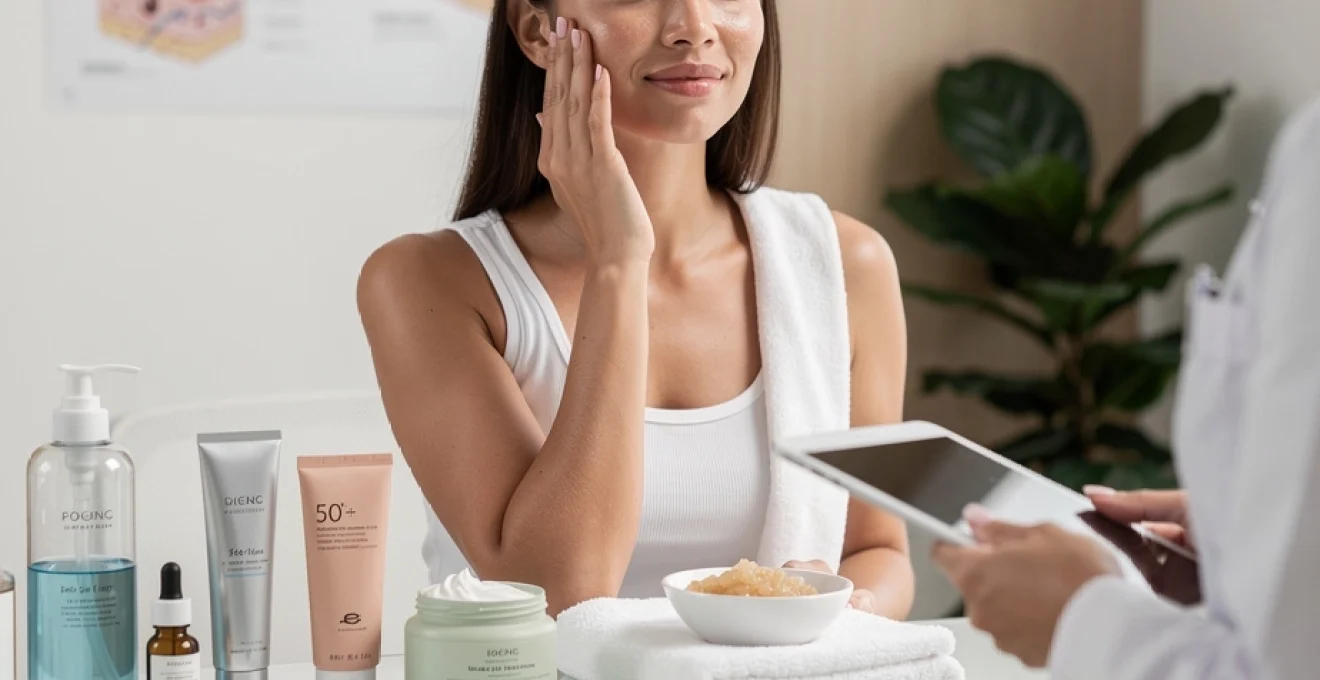
Oily skin affects approximately 66-75% of individuals aged 15-20, making it one of the most prevalent dermatological concerns worldwide. Yet despite its commonality, managing sebaceous hyperactivity remains a delicate balancing act. The skin’s sebum production serves essential protective functions—maintaining barrier integrity, preventing transepidermal water loss, and delivering antioxidant vitamin E to the skin’s surface. When you strip away too much oil in pursuit of a matte complexion, the sebaceous glands often respond by producing even more sebum, creating a frustrating cycle of overcompensation. The key lies in implementing targeted strategies that regulate oil production without compromising the skin’s natural defences or triggering reactive seborrhoea.
Understanding sebaceous gland hyperactivity and sebum overproduction
The sebaceous glands, present across nearly all skin surfaces except the palms and soles, vary dramatically in size and activity between individuals. Those with seborrhoeic skin types possess either a higher density of these glands or larger, more active sebaceous units that secrete greater quantities of lipid-rich sebum. This oily substance comprises triglycerides, wax esters, squalene, and cholesterol esters—components that form a protective lipid film across the stratum corneum.
What triggers this hyperactivity? Genetic predisposition plays a substantial role, determining your baseline sebaceous gland size and responsiveness to androgenic hormones. Men typically experience higher sebum production rates than women due to elevated androgen levels, with testosterone directly stimulating sebocyte proliferation and lipid synthesis. Hormonal fluctuations during puberty, menstruation, pregnancy, and menopause can dramatically alter oil production, as can stress-induced cortisol elevation. Environmental factors matter too—hot, humid climates correlate with increased sebaceous activity, whilst cold, dry conditions may temporarily reduce output.
Recent research has identified that dietary patterns, particularly high glycaemic index foods and dairy consumption, may influence sebum composition and production through insulin-like growth factor-1 (IGF-1) mediated pathways. Additionally, certain medications including corticosteroids, some oral contraceptives containing androgenic progestins, and mood stabilisers can trigger sebaceous hyperactivity. Understanding these multifactorial influences allows you to address oily skin from multiple angles rather than relying solely on topical interventions.
The sebaceous glands respond dynamically to both internal hormonal signals and external environmental stressors, making oily skin management a comprehensive rather than superficial concern.
Dermatologist-approved cleansing protocols for seborrhoeic skin types
Cleansing represents the foundation of any effective oily skin regimen, yet it’s also where most people make critical mistakes. The temptation to use aggressive, stripping cleansers to eliminate surface oil often backfires spectacularly. When you remove too much sebum and disrupt the skin’s acid mantle—the slightly acidic protective layer with a pH of approximately 4.5-5.5—the sebaceous glands detect this disruption and increase production to restore equilibrium. This creates what dermatologists call « reactive seborrhoea, » a paradoxical worsening of oiliness in response to over-cleansing.
Double cleansing method: Oil-Based vs micellar water Pre-Cleanse
The double cleansing technique, whilst traditionally associated with Korean skincare, offers significant benefits for seborrhoeic skin types. This method involves using two different cleansers sequentially: first, an oil-based cleanser or micellar water to dissolve sebum, makeup, and lipophilic debris, followed by a water-based cleanser to remove any remaining impurities. Contrary to intuition, cleansing oils don’t exacerbate oiliness when formulated with emulsifying agents that rinse cleanly. The principle « like dissolves like » means oil-based cleansers effectively break down sebum without requiring harsh surfactants.
Micellar water offers an alternative first-step cleanser, utilising tiny micelle structures—surfactant molecules arranged in spheres—to attract and capture oil and dirt. For
best results, choose alcohol-free formulas designed for oily or acne-prone skin and avoid vigorous rubbing with cotton pads, which can irritate the barrier. Whether you opt for an oil cleanser or micellar water as your first step, the aim is the same: remove makeup, sunscreen, and oxidised sebum gently so your second cleanser doesn’t have to work as hard or strip your skin.
Ph-balanced gel cleansers with salicylic acid and gluconolactone
The second step in an oily skin cleansing routine should typically be a water-based, pH-balanced gel cleanser. A cleanser formulated within the skin’s natural pH range (around 4.5–5.5) helps preserve the acid mantle, which in turn supports a healthier microbiome and more stable sebum production. When this pH drifts too high due to alkaline soaps or harsh surfactants, the skin can become inflamed, more acne-prone, and paradoxically more oily.
For seborrhoeic skin types, gel cleansers containing low concentrations of salicylic acid (a beta hydroxy acid) and gluconolactone (a polyhydroxy acid) are particularly effective. Salicylic acid is oil-soluble, meaning it can penetrate into the pore lining to dissolve compacted sebum and reduce comedones, while gluconolactone offers gentle exfoliation with added humectant and antioxidant benefits. This combination supports pore decongestion without the tight, squeaky sensation often associated with “oil-control” cleansers.
When scanning ingredient lists, you’ll want to avoid sulphate-heavy formulas (such as high levels of sodium lauryl sulfate) in favour of milder surfactants like coco-betaine or sodium cocoyl isethionate. A cleanser that leaves your skin feeling clean yet comfortable—never overly tight or itchy—will better support long-term balance and reduce the impulse to compensate with heavy, pore-clogging moisturisers.
Frequency and temperature variables in daily facial washing routines
How often should you wash oily skin to minimise shine without provoking reactive seborrhoea? Most dermatologists recommend cleansing twice daily—morning and evening—with an additional rinse after intense exercise or heavy sweating. Washing more frequently than this may seem appealing when your T-zone feels greasy by midday, but it can quickly lead to barrier disruption and rebound oiliness.
Water temperature is another underappreciated variable in managing oily skin. Very hot water can dilate blood vessels, increase transepidermal water loss, and aggravate inflammation, all of which may stimulate sebaceous activity over time. Conversely, water that is uncomfortably cold can impair the emulsification of oils and limit how effectively your cleanser removes impurities. The ideal compromise is lukewarm water—warm enough to help dissolve sebum and sunscreen, yet cool enough to preserve barrier lipids and capillary stability.
As a simple self-check, observe how your skin feels 10–15 minutes after washing without applying products. If it feels overly tight, itchy, or looks patchy and red, you may be cleansing too frequently, using water that is too hot, or relying on a formula that is too aggressive for daily use.
Non-comedogenic cleansing techniques to preserve the acid mantle
Technique matters as much as product selection when you are trying to manage oily skin without causing imbalance. Vigorous scrubbing with textured cloths or abrasive cleansing brushes can create micro-tears in the stratum corneum and disrupt the acid mantle. Instead, use your fingertips to massage cleanser over damp skin in small, circular motions for 30–60 seconds, focusing on areas of congestion such as the nose, chin, and forehead.
Non-comedogenic cleansing also involves how you remove the cleanser. Rinse thoroughly to ensure no surfactant residue remains, as leftover cleanser can mix with sebum and debris to form a film that may clog pores. Blot—rather than rub—your face dry with a clean, soft towel to minimise friction. If you enjoy using cleansing tools, opt for silicone-based devices on a low setting and limit their use to a few times per week, monitoring for any signs of irritation.
Preserving the acid mantle is not just about comfort; it has real implications for oil control and acne prevention. A stable, slightly acidic surface environment discourages pathogenic bacteria, supports beneficial flora, and reduces inflammatory cascades that can drive both breakouts and excessive sebum production. In practice, this means that “gentle but thorough” should be your guiding mantra every time you cleanse.
Targeted exfoliation strategies: BHAs, AHAs, and enzymatic alternatives
Exfoliation is a powerful tool for managing oily skin, but it is also one of the easiest steps to overdo. Dead skin cells mixed with excess sebum can block pores and create comedones, yet removing too much of this protective layer at once can impair barrier function and lead to reactive seborrhoea. The goal is to promote regular cell turnover and pore clarity using controlled, chemical exfoliation rather than harsh physical scrubs.
Modern exfoliating acids—beta hydroxy acids (BHAs), alpha hydroxy acids (AHAs), and enzymatic peels—offer nuanced ways to target specific oily skin concerns. By choosing the right molecule, concentration, and frequency, you can reduce shine, improve texture, and help prevent breakouts without triggering chronic redness or sensitivity. Think of it as “micro-editing” your skin’s surface instead of sanding it down.
Beta hydroxy acid concentrations: salicylic acid formulations from 0.5% to 2%
Salicylic acid remains the gold standard BHA for oily and acne-prone skin because of its lipid-soluble nature and anti-inflammatory properties. At concentrations between 0.5% and 2% in over-the-counter products, salicylic acid can penetrate into the pilosebaceous unit, dissolving the bonds that hold together dead skin cells and helping to break up compacted plugs of sebum. This action makes it particularly useful for treating blackheads, whiteheads, and enlarged pores.
Lower strengths around 0.5–1% are often sufficient for daily or near-daily use in leave-on products such as toners, serums, or oil-control moisturisers. Higher strengths closer to 2% are better suited to targeted spot treatments or short-contact masks, especially if your skin is on the sensitive side. If you are new to chemical exfoliants, starting with a 0.5–1% formulation used a few times per week is a cautious way to assess tolerance before increasing either concentration or frequency.
Because salicylic acid can be drying if overused, it is important to observe your skin’s feedback. Flaking, tightness, or stinging are signs to reduce application frequency or layer it with more robust hydration. When used thoughtfully, BHA exfoliation can dramatically improve pore visibility and shine without the micro-abrasions associated with traditional scrubs.
Glycolic acid and lactic acid integration for dual-action exfoliation
Alpha hydroxy acids provide a complementary route to managing oily skin by targeting the superficial layers of the epidermis. Glycolic acid, the smallest AHA, penetrates efficiently and is particularly effective at smoothing texture, fading post-inflammatory hyperpigmentation, and softening the appearance of fine lines. Lactic acid is slightly larger and gentler, offering both exfoliating and hydrating benefits thanks to its humectant properties.
When integrated into an oily skin routine, AHAs can help refine overall skin tone and address the uneven texture often left behind by previous breakouts. Concentrations in the range of 5–10% for lactic acid and 5–8% for glycolic acid are common in leave-on products, while higher strengths are typically reserved for professional peels. For skin that is both oily and sensitive, lactic acid or mandelic acid is usually a safer entry point than going straight to high-strength glycolic formulas.
Combining AHAs and BHAs can be beneficial, but layering multiple acids in the same routine increases the risk of irritation. A practical strategy is to alternate them on different evenings—using a salicylic acid product one night and an AHA serum or lotion the next. This staggered approach allows you to enjoy dual-action exfoliation for oily skin without overwhelming the barrier.
Papain and bromelain enzyme peels for sensitive sebaceous skin
For those whose seborrhoeic skin is also highly reactive or prone to redness, enzymatic exfoliants offer a gentler alternative. Derived from fruits such as papaya (papain) and pineapple (bromelain), these proteolytic enzymes work by selectively loosening and digesting the keratin bonds in superficial dead skin cells. Unlike many acids, enzymes tend not to penetrate as deeply, reducing the risk of stinging and barrier disruption.
Enzyme masks are usually applied to freshly cleansed, slightly damp skin and left on for a specified period—often 5–15 minutes—before being rinsed away. This time-limited contact acts like a “chemical buffing cloth,” softening rough patches and helping pores look less congested, while leaving the underlying skin relatively undisturbed. Because they function best within specific pH and temperature ranges, always follow the manufacturer’s instructions closely for optimal results.
If your skin flushes easily, stings with most acids, or you are using other actives such as retinoids, rotating an enzyme peel into your routine once or twice weekly can provide the exfoliation oily skin needs without excessive cumulative irritation. Think of it as swapping sandpaper for a fine-grit polishing pad—still effective, just far kinder to your surface.
Chemical exfoliant application frequency to prevent reactive seborrhoea
How often should you exfoliate oily skin? While the constant stream of “glow” products on the market may imply that more is better, dermatology guidelines suggest otherwise. For most seborrhoeic skin types, using chemical exfoliants two to four times per week is sufficient to maintain pore clarity and smoothness. Daily exfoliation is rarely necessary and can easily push the skin into a chronic state of low-grade inflammation.
One useful analogy is to treat exfoliation like gym training for your barrier: you need enough stimulus to see progress, but too much stress without adequate recovery leads to burnout. Signs you are over-exfoliating include persistent redness, burning, increased breakouts, and paradoxical oiliness as the skin attempts to restore its lipid defences. If this happens, scale back to once weekly, focus on barrier-repairing hydration, and reintroduce acids gradually.
A simple rule of thumb is to never layer multiple high-strength acids, retinoids, and physical scrubs in the same routine. Choose one primary exfoliating modality per evening and give your skin several “rest days” each week with only gentle cleansing and hydrating products. This measured approach helps you reap the pore-refining benefits of chemical exfoliation for oily skin while safeguarding against the very imbalance you are trying to avoid.
Lightweight hydration systems: hyaluronic acid and humectant selection
One of the most persistent myths about oily skin is that it does not need moisturiser. In reality, dehydration and oiliness can—and often do—coexist. When the skin’s water content is low, sebaceous glands may ramp up sebum production in an attempt to compensate, leaving you with a complexion that is both shiny and tight. The solution lies in lightweight hydration systems that replenish water without adding occlusive, comedogenic oils.
Humectants such as hyaluronic acid, glycerin, betaine, and panthenol attract and hold water in the stratum corneum, supporting a plump, resilient barrier. When paired with non-comedogenic emollients in oil-free gel or gel-cream textures, they can deliver moisture where it is needed most—without suffocating the pores. The result is skin that feels balanced, not greasy, even in the presence of naturally high sebum output.
Multi-molecular weight sodium hyaluronate serums
Hyaluronic acid has become synonymous with hydration for good reason: this naturally occurring polysaccharide can bind up to 1,000 times its weight in water. For oily skin, serums featuring multi-molecular weight sodium hyaluronate—a salt form of hyaluronic acid—offer distinct advantages. By combining low, medium, and high molecular weight fractions, these formulas can deliver water to different depths within the epidermis, improving both surface smoothness and deeper suppleness.
High molecular weight hyaluronate tends to sit closer to the surface, providing an immediate plumping and smoothing effect, while lower molecular weight fractions penetrate further to support longer-lasting hydration. This tiered approach is particularly beneficial for seborrhoeic skin that has been compromised by over-cleansing or excessive use of harsh actives. When adequately hydrated, the skin often appears less shiny and more refined, as the micro-relief of the surface becomes more uniform.
To integrate these serums effectively, apply a few drops to slightly damp skin after cleansing and, if used, any watery toners. Follow with an oil-free moisturiser to lightly “seal in” the hydration. If you live in an extremely arid climate, pairing hyaluronic acid with a light, non-comedogenic occlusive can help prevent the humectant from pulling water out of the deeper skin layers when environmental humidity is low.
Glycerin, betaine, and panthenol as non-occlusive moisture binders
While hyaluronic acid often gets the spotlight, other humectants play equally important roles in balanced oily skin routines. Glycerin is a classic, widely studied molecule that not only attracts water but also enhances the skin’s own lipid synthesis over time. Betaine, derived from sugar beets, helps regulate osmotic balance in skin cells, allowing them to retain moisture more effectively under stress. Panthenol (provitamin B5) brings both humectant and soothing properties, making it ideal for oily complexions that have become sensitised.
These non-occlusive moisture binders can be found in toners, essences, and light lotions formulated for oily and combination skin. Because they are water-based and non-greasy, they layer seamlessly under sunscreen and makeup without contributing to midday shine. If you have previously avoided moisturisers due to fear of breakouts, starting with a simple glycerin- and panthenol-rich hydrating serum can be a low-risk way to test how your skin responds to added moisture.
Think of humectants as internal scaffolding for your skin barrier: by maintaining adequate water content, they keep the structure flexible and resilient, reducing the likelihood of micro-cracks that can trigger inflammation, sensitivity, and—you guessed it—compensatory oil production.
Oil-free gel moisturisers with niacinamide and zinc PCA
Once you have addressed water balance with humectant serums, an oil-free gel or gel-cream moisturiser can provide the finishing layer of your hydration system. For oily skin types, formulations containing niacinamide (vitamin B3) and zinc PCA are particularly advantageous. Niacinamide supports barrier repair, reduces redness, and has been shown in some studies to decrease sebum excretion rates. Zinc PCA combines the sebum-regulating properties of zinc with the humectant qualities of pyrrolidone carboxylic acid, making it ideal for shiny, congestion-prone complexions.
These gel moisturisers are typically silicone- or water-based, spreading easily and absorbing quickly without leaving a heavy film. They can be used both morning and night, with the daytime application layered under a non-comedogenic SPF and the evening application paired with targeted actives such as retinoids or azelaic acid. If your skin feels greasy within minutes of applying moisturiser, you may be using too much product or a formula too rich for your current needs—try reducing the amount to a pea-sized dollop for the entire face.
Done correctly, oil-free hydration should make your skin feel comfortably balanced for several hours, not matte and parched. When your barrier is well supported, sebaceous glands often “relax,” and you may notice fewer extreme swings between dry and oily zones across the day.
Sebum-regulating active ingredients: niacinamide, retinoids, and zinc compounds
Beyond basic cleansing and hydration, certain active ingredients directly target the pathways that drive sebum production and pore congestion. Integrating these actives thoughtfully can transform an oily, acne-prone complexion into one that is more stable, less inflamed, and easier to manage day to day. However, because many of these molecules are potent, the emphasis must remain on slow, controlled introduction to avoid tipping the skin into irritation and reactive oiliness.
Key sebum-regulating actives include niacinamide, topical retinoids such as adapalene and tretinoin, zinc-based compounds, and azelaic acid. Each of these works via distinct mechanisms—modulating inflammation, normalising keratinisation, or directly influencing sebaceous gland activity—so they can often be combined strategically under the guidance of a dermatologist or experienced skincare professional.
Vitamin B3 (niacinamide) at 4-10% concentration for pore refinement
Niacinamide has emerged as a star ingredient for oily and combination skin thanks to its broad spectrum of benefits and generally favourable tolerability profile. At concentrations between 4% and 10%, niacinamide has been shown to reduce sebum excretion rates, improve skin texture, and minimise the appearance of enlarged pores. It also supports the synthesis of ceramides, key lipids in the skin barrier, helping maintain hydration without increasing surface oiliness.
Because niacinamide is water-soluble and stable, it is commonly found in serums and lightweight moisturisers designed for daily use. For many people with oily skin, a 4–5% concentration used once or twice daily is sufficient to see incremental improvements in shine and pore visibility over several weeks. Higher concentrations up to 10% may offer additional benefits but are also more likely to cause temporary flushing or tingling, especially in sensitive individuals.
To integrate niacinamide effectively, apply it after cleansing and hydrating steps but before heavier creams or sunscreen. If you are using strong acids or prescription retinoids in the same routine, consider applying niacinamide at a different time of day to reduce the cumulative irritation load. Think of it as a “multi-tasking mediator” that helps calm, strengthen, and fine-tune oily skin without the dramatic peeling or dryness associated with more aggressive actives.
Adapalene and tretinoin protocols for comedone prevention
Topical retinoids such as adapalene and tretinoin are cornerstone therapies in dermatology for comedonal and inflammatory acne, particularly in oily skin. These vitamin A derivatives work by normalising keratinocyte differentiation, reducing the tendency of skin cells to stick together and clog pores. They also exhibit anti-inflammatory effects and, over time, can lead to a more refined, even skin texture with fewer persistent bumps and breakouts.
Adapalene (often available over the counter at 0.1% in some regions) tends to be slightly better tolerated than tretinoin, making it a common starting point for those new to retinoids. Tretinoin, usually prescribed in strengths ranging from 0.025% to 0.1%, is more potent and is typically introduced under medical supervision. In both cases, a “low and slow” protocol is essential: begin with a pea-sized amount applied two to three nights per week, and increase frequency only as your skin adapts.
During the first 4–8 weeks of retinoid use, it is not uncommon to experience dryness, flaking, or a temporary increase in breakouts as microcomedones surface. This adjustment phase can be particularly challenging for oily skin users who are accustomed to skipping moisturiser. Buffering techniques—such as applying a light gel moisturiser before or after the retinoid—can help mitigate irritation without negating its benefits. Consistency over many months, rather than rapid escalation, is what ultimately leads to fewer comedones and calmer, more predictable sebum behaviour.
Zinc oxide, zinc gluconate, and copper peptides for sebostatic effects
Zinc-based compounds have long been recognised for their anti-inflammatory, antimicrobial, and mild sebostatic properties. In topical skincare, zinc oxide is most familiar as a physical sunscreen filter, but it also offers soothing and mattifying benefits that can be particularly welcome for oily, acne-prone skin. Modern micronised or nano-free zinc oxide formulations can deliver high-level UV protection without the heavy, chalky feel of older mineral sunscreens.
Zinc gluconate and other zinc salts feature in some serums and lotions aimed at oily skin, where they work in concert with ingredients like niacinamide or azelaic acid to reduce redness, support barrier repair, and modestly regulate sebum output. While their effects are generally subtler than those of retinoids or hormonal therapies, they can make an appreciable difference in overall comfort and shine when used consistently.
Copper peptides, often paired with zinc in so-called “tri-peptide” complexes, bring an additional dimension by supporting collagen synthesis and wound healing. For oily skin prone to post-acne marks or textural changes, peptide serums can complement more active treatments by enhancing repair without contributing to congestion. As always, patch testing new products is prudent, especially when layering multiple actives in a single routine.
Azelaic acid 10-20% formulations for combined sebum and bacterial control
Azelaic acid occupies a unique niche in oily skin care as a multi-functional dicarboxylic acid with comedolytic, anti-inflammatory, and antimicrobial properties. At concentrations around 10%, it is available in many over-the-counter formulations targeting uneven tone and mild acne; at 15–20%, it is often prescribed for more persistent acne and rosacea. Unlike many AHAs and BHAs, azelaic acid does not function primarily as an exfoliant, making it suitable for sensitive, redness-prone oily skin.
By inhibiting the growth of Cutibacterium acnes (the bacteria associated with acne) and modulating keratinisation within the follicle, azelaic acid helps reduce both inflammatory lesions and non-inflammatory comedones. It also interferes with abnormal melanin production, which can fade post-inflammatory hyperpigmentation—a common concern when breakouts resolve but marks linger. For oily skin, its gentle sebum-normalising effect can translate into fewer shiny, inflamed areas over time.
Azelaic acid can be used once or twice daily depending on tolerance, often layered after hydrating serums and before moisturiser. Because it plays well with many other actives, it is a versatile addition to routines that already include niacinamide, zinc, or low-strength acids. As with all bioactive ingredients, gradual introduction and attention to your skin’s response will help you find the sweet spot between efficacy and comfort.
Mattifying primers, non-comedogenic SPF50+ sunscreens, and blotting techniques
Daily sun protection is non-negotiable for every skin type, but those with oily skin often dread the added layer for fear of increased shine and clogged pores. The good news is that modern, non-comedogenic SPF50+ formulations—including both mineral and hybrid filters—are significantly more cosmetically elegant than their predecessors. When paired with intelligent makeup choices and strategic blotting, you can maintain high-level UV defence without looking greasy by midday.
Mattifying primers formulated with ingredients like silica, dimethicone, or micro-fine clay can be applied after skincare and before sunscreen or foundation to immediately reduce surface shine and blur the appearance of pores. Rather than acting as skincare per se, these primers function like a physical filter, smoothing the canvas so subsequent layers adhere more evenly. Opt for non-comedogenic, fragrance-free formulas specifically labelled for oily or acne-prone skin to minimise the risk of congestion.
When choosing a sunscreen for oily skin, look for descriptors such as “oil-free,” “non-comedogenic,” “gel,” or “fluid.” Many SPF50+ products now feature ultra-light textures that set to a semi-matte or natural finish, often using zinc oxide or titanium dioxide in combination with modern organic filters. If you wear makeup, allowing your sunscreen to set for 5–10 minutes before applying foundation will help prevent pilling and improve longevity. Throughout the day, resist the urge to repeatedly reapply powder foundation in thick layers, which can trap oil and debris against the skin.
Instead, rely on blotting techniques to manage breakthrough shine. Blotting papers made from rice paper, flax, or other absorbent materials can gently lift excess sebum without disturbing your base too much—press, hold for a few seconds, and lift, rather than dragging across the skin. If you prefer a bit of added coverage, translucent mattifying powders with minimal talc and non-comedogenic binders can be applied sparingly after blotting. This targeted approach helps you maintain a polished, matte-comfortable finish while still respecting the underlying needs of seborrhoeic skin.
Dietary modifications: glycaemic index management and anti-androgenic nutrients
While skincare plays a central role in managing oily skin, internal factors—particularly diet and hormonal balance—can significantly influence sebaceous gland activity. Emerging research suggests that high-glycaemic diets rich in refined carbohydrates and sugars may exacerbate sebum production and acne by increasing insulin and insulin-like growth factor-1 (IGF-1), which in turn stimulate androgen-mediated sebaceous gland growth. For many individuals, strategic dietary adjustments can complement topical regimens and help stabilise oiliness from the inside out.
Managing the glycaemic index of your meals is a practical starting point. Emphasising low-glycaemic foods such as leafy greens, non-starchy vegetables, legumes, whole grains, and most fresh fruits can help prevent sharp spikes in blood sugar and insulin. In contrast, frequent consumption of white bread, pastries, sugary drinks, and highly processed snacks may contribute to inflammatory cascades that manifest on the skin as increased shine and breakouts. Some studies also implicate high dairy intake—particularly skim milk—in acne pathogenesis, likely via hormonal and IGF-1 pathways, though responses vary between individuals.
Beyond glycaemic control, nutrients with potential anti-androgenic or anti-inflammatory effects may support more balanced sebum production. Omega-3 fatty acids from sources like fatty fish, flaxseeds, and walnuts can help modulate inflammation and may improve overall skin resilience. Zinc-rich foods (pumpkin seeds, chickpeas, shellfish) support immune function and skin healing, aligning with the topical benefits of zinc compounds. Certain plant foods, such as spearmint tea and lignan-containing flaxseed, have been explored for their mild anti-androgenic properties, though evidence is still evolving.
Hydration and moderation round out the picture. Drinking adequate water supports normal physiological function—including that of the skin—while limiting excessive alcohol and highly salted foods can help reduce fluid fluctuations and inflammation that may indirectly aggravate seborrhoeic tendencies. Ultimately, there is no single “oily skin diet,” but rather a pattern of eating that favours steady blood sugar, anti-inflammatory nutrients, and hormonal balance. By aligning what you put on your plate with what you apply to your face, you create a multi-layered strategy for managing oily skin without triggering the very imbalances you are trying to correct.