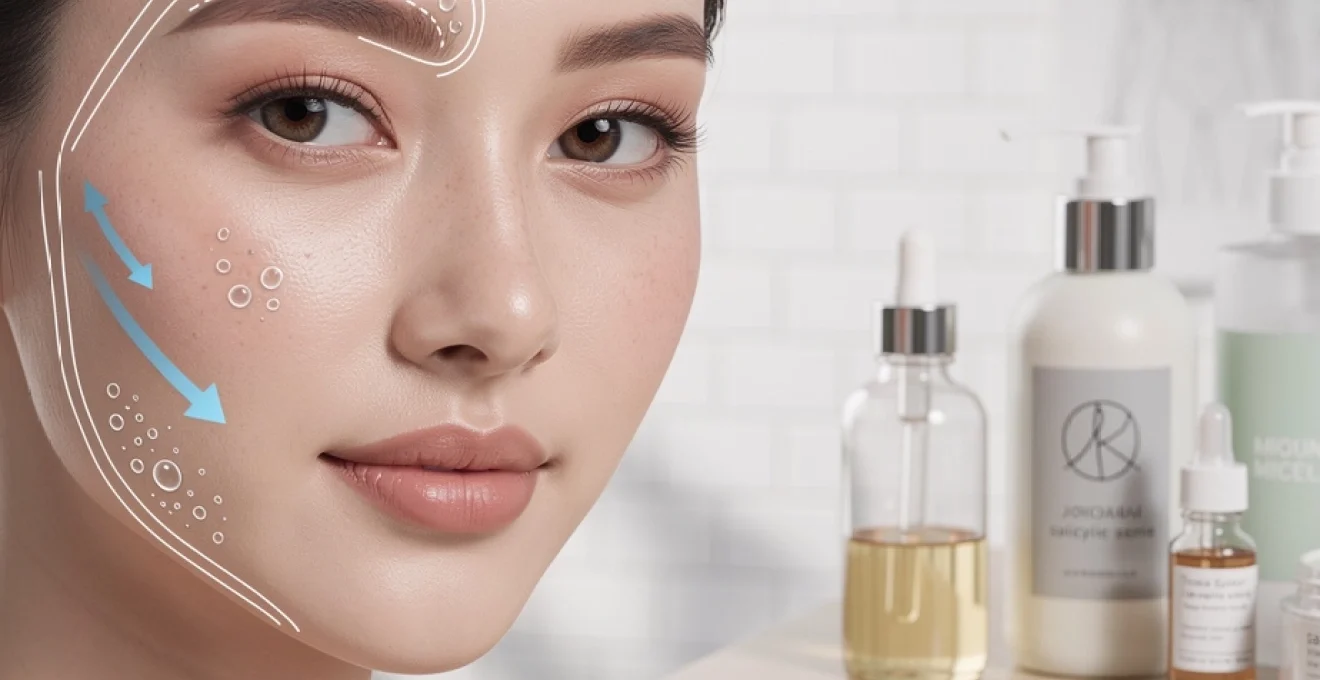
Combination skin presents a unique challenge in dermatological care, requiring sophisticated understanding and tailored approaches that address the contrasting needs of different facial zones. This complex skin type affects approximately 60% of the adult population, making it one of the most prevalent yet misunderstood conditions in cosmetic dermatology. The simultaneous presence of sebaceous hyperactivity in central facial regions and lipid barrier deficiencies in peripheral areas creates a physiological paradox that demands strategic intervention rather than conventional one-size-fits-all solutions.
Professional skincare practitioners increasingly recognise that combination skin represents more than simple coexistence of oily and dry zones. Advanced research reveals intricate relationships between sebaceous gland distribution, hormonal fluctuations, and genetic predisposition factors that influence how this skin type manifests and evolves throughout different life stages. Understanding these underlying mechanisms becomes crucial for developing effective treatment protocols that maintain optimal barrier function whilst managing excess sebum production in problematic areas.
Modern approaches to combination skin management emphasise precision targeting and ingredient synergy rather than broad-spectrum treatments that often exacerbate existing imbalances. The evolution from traditional astringent-based regimens to scientifically-informed protocols incorporating ceramides, hyaluronic acid, and carefully calibrated chemical exfoliants represents a significant advancement in therapeutic outcomes for this challenging skin type.
Understanding combination skin physiology and sebaceous gland distribution patterns
The physiological foundation of combination skin lies in the uneven distribution of sebaceous glands across facial topography, creating distinct microenvironments with varying sebum production rates and barrier function capabilities. Research indicates that sebaceous gland density in the T-zone region can be up to 5 times higher than in peripheral facial areas, establishing the biological basis for the characteristic oily-centre, dry-periphery pattern observed in combination skin types.
T-zone sebaceous hyperactivity and pore morphology analysis
The T-zone region, encompassing the forehead, nose, and chin, demonstrates remarkable sebaceous activity due to the concentrated presence of large, highly active sebaceous glands. Dermatoscopic analysis reveals that pore diameter in these areas typically measures 250-300 micrometers, significantly larger than the 100-150 micrometer range observed in cheek regions. This anatomical difference directly correlates with increased sebum production rates, often exceeding 150 micrograms per square centimetre daily during peak hormonal periods.
The increased sebaceous activity in T-zone areas creates a cascade of physiological changes that influence skin texture and appearance. Enhanced sebum flow rates promote comedone formation through keratinocyte hyperproliferation within follicular units, whilst simultaneously providing enhanced barrier protection against environmental stressors. This dual nature explains why T-zone skin often appears resilient yet problematic, requiring targeted interventions that address excess sebum without compromising protective functions.
Cheek area lipid barrier deficiency and Trans-Epidermal water loss
Peripheral facial regions, particularly the cheek and temple areas, demonstrate markedly different physiological characteristics compared to central sebaceous zones. Trans-epidermal water loss measurements in these areas typically range from 15-25 grams per square metre per hour, significantly elevated compared to the 8-12 gram range observed in sebaceous-rich regions. This increased water loss reflects compromised barrier function resulting from reduced sebaceous support and thinner stratum corneum architecture.
The lipid composition of peripheral facial skin shows notable deficiencies in ceramide content and altered cholesterol-to-fatty acid ratios, contributing to increased sensitivity and reduced moisture retention capacity. These biochemical differences necessitate targeted hydration strategies that supplement natural lipid production without interfering with the delicate balance maintained in central facial regions.
Hormonal fluctuations impact on mixed sebum production zones
Hormonal influences on combination skin create complex patterns of sebaceous activity that vary throughout menstrual cycles, seasonal changes, and life transitions. Androgen receptor density variations across facial regions contribute to the differential response observed during hormonal fluctuations, with T-zone areas showing increased sensitivity to testosterone and dihydrotestosterone compared to peripheral regions.
During luteal
phase, for example, increased progesterone and relative androgen activity often drive higher sebum output in the T‑zone while simultaneously accentuating dryness on the cheeks. Perimenopause and menopause introduce another shift, with declining oestrogen leading to reduced epidermal hydration and slower barrier repair, yet many patients continue to experience persistent central oiliness. Understanding these cyclical and life-stage variations allows you to anticipate flare periods, adjust exfoliation intensity, and fine‑tune moisturiser textures rather than reacting only once imbalance and irritation have already developed.
Stress-related cortisol spikes further complicate combination skin behaviour, amplifying inflammatory mediators within sebaceous follicles and increasing the likelihood of T‑zone congestion. At the same time, cortisol impairs barrier recovery in drier zones, heightening sensitivity and redness. From a practical standpoint, this means that comprehensive care for combination skin must look beyond topical products to include sleep quality, stress management, and overall hormonal health, especially if you notice that breakouts and dry patches follow a predictable monthly pattern.
Genetic predisposition factors in combination skin expression
While lifestyle and hormonal influences clearly modulate how combination skin appears, genetic programming largely determines baseline sebaceous gland distribution and barrier lipid synthesis. Twin studies suggest that up to 60–70% of variance in sebum production is heritable, with specific polymorphisms in genes regulating 5‑alpha reductase activity and androgen receptor sensitivity playing important roles. Similarly, genetic variations affecting filaggrin, ceramide synthase enzymes, and lipid transport proteins predispose certain individuals to weaker cheek and jawline barriers, even in the absence of overt eczema or dermatitis.
Family histories frequently reveal patterns: one parent with oily or acne‑prone skin and another with dry, reactive skin often translates into offspring with mixed features that fit the classic combination profile. This genetic backdrop explains why some people struggle with persistent T‑zone shine despite meticulous routines, while others battle chronic cheek tightness regardless of climate. Recognising this inherited element is empowering; rather than chasing a “cure”, you can focus on long‑term management strategies that respect your skin’s built‑in tendencies and work with them instead of against them.
Advanced cleansing protocols for dual-zone facial treatment
Cleansing represents the structural foundation of any skincare routine for combination skin, yet it is also the step most likely to disrupt the delicate balance between oily and dry zones. Overly aggressive surfactants may initially mattify the T‑zone but trigger rebound sebum production and further dehydrate the cheeks. Conversely, excessively mild or occlusive formulas can leave central areas congested. An advanced approach to cleansing combination skin therefore prioritises pH‑balanced, non‑stripping textures and, where appropriate, zonal adaptation rather than uniform application.
When we talk about “advanced” cleansing, we are not necessarily referring to complex multi‑step rituals, but to deliberate choices that respect sebaceous gland distribution and barrier integrity. This can mean choosing a low‑foaming gel for the entire face and then adding targeted support in key zones, or incorporating oil‑based pre‑cleansers that dissolve makeup and sunscreen without compromising the cheeks. The goal is to remove pollutants, oxidised sebum, and cosmetic residues while leaving the stratum corneum’s lipid matrix as intact as possible.
Oil-based cleansing with jojoba and squalane for lipid balance
At first glance, applying oil to already oily areas may seem counterintuitive, yet well‑formulated oil cleansers rich in jojoba and squalane can be transformative for combination skin. Jojoba oil, technically a liquid wax ester, closely mimics the composition of human sebum and can help dissolve hardened oxidised oils within pores through the principle of “like dissolves like”. Squalane, a stable derivative of squalene, contributes lightweight emollience and enhances skin suppleness without contributing to comedone formation when used in appropriate concentrations.
For combination skin, an ideal protocol involves massaging a small amount of oil cleanser over dry skin in the evening, focusing slightly more time on the T‑zone where makeup, SPF, and sebum accumulate. As the cleanser binds to oil‑soluble impurities, you can gently emulsify with lukewarm water before rinsing or removing with a soft, damp cloth. This step not only preps the skin for a water‑based second cleanse but also reduces the need for harsh surfactants, protecting already fragile cheek and jawline areas. Used consistently, jojoba‑ and squalane‑based cleansers can actually help normalise sebum output by preventing the chronic over‑stripping that drives rebound oiliness.
Targeted salicylic acid application in t-zone management
Salicylic acid remains the gold standard beta hydroxy acid for managing excess oil, clogged pores, and recurrent comedones in the T‑zone. Its lipophilic nature allows deeper penetration into sebum‑filled follicles, where it helps dissolve plugs and normalise shedding of keratinocytes. However, for combination skin, the method of salicylic acid use is as important as the ingredient itself. Blanket application across the entire face can easily compromise the drier cheek barrier, leading to flaking and stinging.
A more refined strategy is to employ cleansers or leave‑on treatments containing 0.5–2% salicylic acid specifically on the central forehead, nose, and chin. You might, for example, massage a salicylic acid gel cleanser into the T‑zone for 30–60 seconds while using a gentler, non‑acidic formula over the cheeks. Alternatively, you can apply a thin layer of a salicylic serum only to areas where pores appear enlarged or prone to blackheads. By restricting active exfoliation to oil‑rich regions, you maintain effective T‑zone control while preserving comfort and resilience elsewhere.
Micellar water integration for sensitive cheek areas
Micellar waters offer a valuable tool for managing combination skin, especially when cheek areas are prone to redness, rosacea tendencies, or post‑inflammatory sensitivity. These formulations contain surfactant molecules organised into micelles that capture impurities and makeup with minimal friction and without requiring aggressive rubbing. For dry or reactive cheeks, micellar cleansing can serve either as a morning‑only cleanse or as the first step of an evening routine on days when skin feels particularly delicate.
To integrate micellar water effectively, saturate a soft cotton pad or reusable cloth and gently sweep over the cheek and jawline regions, avoiding excessive pressure. You can then follow with a more targeted gel or foaming cleanser on the T‑zone if needed, or rinse the entire face with lukewarm water to remove residual surfactants. Choosing alcohol‑free, fragrance‑free micellar formulas enriched with soothing agents such as panthenol, niacinamide, or aloe helps support barrier repair while still providing adequate cleansing. This dual approach minimises the mechanical and chemical stress that often exacerbates dryness in combination skin.
Double cleansing method adaptation for combination skin types
The double cleansing method—typically combining an oil‑based cleanser with a water‑based formula—can be particularly effective when adapted for combination skin. The first step focuses on dissolving oil‑soluble impurities, sunscreen, and long‑wear makeup, while the second targets water‑soluble debris such as sweat and environmental pollutants. However, the key to success lies in customising product choices and contact times to suit each facial zone rather than simply duplicating routines designed for very oily or very dry skin types.
For instance, you might apply your oil cleanser evenly across the face in the evening, then follow with a low‑foaming, pH‑balanced gel cleanser. During the second cleanse, spend more time massaging the T‑zone in small circular motions, allowing surfactants to break down residual sebum and reduce the risk of congestion. On the cheeks, limit contact time and use more water to dilute the cleanser, effectively transforming it into a milder wash that removes residue without over‑stripping. Used in this way, double cleansing supports clear pores and balanced hydration, even for those who wear heavier makeup or water‑resistant SPF daily.
Strategic exfoliation techniques using AHA and BHA combinations
Exfoliation plays a central role in optimising the appearance and function of combination skin, but it is also one of the easiest steps to overdo. Chemical exfoliants such as alpha hydroxy acids (AHAs) and beta hydroxy acids (BHAs) improve cell turnover, refine texture, and help keep pores clear; however, excessive or poorly targeted use can compromise barrier integrity and provoke inflammation. A strategic approach treats exfoliation like fine‑tuning an instrument: you adjust frequency, concentration, and placement according to the specific needs of each zone rather than applying a uniform “high intensity” setting.
In practical terms, this often means using more potent or frequent BHAs on the T‑zone while reserving gentler AHAs for drier cheek areas, and always building in non‑exfoliating days to allow the skin to recover. Think of your routine as a weekly schedule rather than a rigid daily checklist—you might exfoliate certain areas two to three times per week and others only once, depending on how they respond. Listening to your skin’s feedback—tightness, stinging, or persistent redness—helps you adjust before damage occurs.
Glycolic acid concentration protocols for oily t-zone areas
Glycolic acid, the smallest AHA molecule, penetrates efficiently into the stratum corneum and is highly effective for smoothing rough texture, fading post‑inflammatory marks, and supporting collagen synthesis. In oily T‑zone areas, low to moderate concentrations (typically 5–10%) used a few times per week can significantly reduce the appearance of enlarged pores and dullness. However, due to its potency, glycolic acid must be introduced cautiously on combination skin to prevent over‑exfoliation that could trigger rebound oiliness or sensitivity.
A sensible protocol begins with a 5% glycolic toner or serum applied only to the forehead, nose, and chin in the evening once or twice per week. If, after several weeks, your skin tolerates this without undue redness or peeling, you may gradually increase frequency to every other night or transition to slightly stronger formulas. Always avoid layering multiple strong acids on the same evening and pay close attention to how the cheeks respond, as migrating product can inadvertently affect drier regions. When used judiciously, glycolic acid becomes a powerful ally in keeping the T‑zone clear and refined.
Lactic acid applications for dry cheek zone renewal
Lactic acid offers a gentler alternative to glycolic acid and is particularly well‑suited to dry or sensitised cheek areas. In addition to its keratolytic properties, lactic acid functions as a humectant, binding water within the stratum corneum and enhancing overall hydration. This dual action makes it ideal for renewing flaky or rough patches on the cheeks without provoking the tight, over‑stripped sensation that more aggressive exfoliants can cause.
For combination skin, lactic acid products in the 5–10% range applied one to three times per week on the cheeks can help smooth fine lines, soften dry patches, and improve radiance. You might choose a dedicated lactic serum or a blended exfoliating lotion and apply it with your fingertips, stopping just short of the oilier central areas. Pairing lactic acid with a ceramide‑rich moisturiser enhances its benefits while minimising irritation. Over time, this targeted approach helps harmonise the texture of dry zones so that foundation and sunscreen sit more evenly across the entire face.
Beta hydroxy acid spot treatment for comedone prevention
Beyond general T‑zone management, BHAs such as salicylic acid excel as precise spot treatments for individual clogged pores, emerging blemishes, or recurrent blackhead clusters. Instead of treating the whole face with a high‑strength product, you can tap a small amount of a 2% salicylic gel, lotion, or pad directly onto problem areas—such as the creases beside the nose, the centre of the chin, or isolated comedones on the cheeks. This targeted application maximises efficacy where you need it most while sparing surrounding skin from unnecessary exfoliation.
Think of BHA spot treatment as using a fine‑tipped brush rather than a paint roller. You reserve its intensive power for specific imperfections, especially during times when hormones or stress make breakouts more likely. To avoid excessive dryness, limit repeated applications on the same spot to once or twice daily and observe how the skin responds over several days. Supporting the treated area with a non‑comedogenic, barrier‑strengthening moisturiser helps prevent the flaking that sometimes accompanies spot treatment, especially on combination skin.
Chemical exfoliant layering sequences and ph considerations
When combining AHAs and BHAs within a skincare routine for combination skin, sequencing and pH compatibility are critical. Most effective exfoliants function optimally in a mildly acidic environment (typically pH 3–4), and layering too many active formulas can not only drive irritation but also destabilise their performance. As a general rule, you should apply water‑light exfoliating toners or serums immediately after cleansing, followed by hydrating serums and then moisturisers, leaving at least a few minutes between layers to allow pH to normalise.
On nights when you use both an AHA and a BHA, many dermatologists recommend applying the BHA first on the T‑zone, given its oil‑soluble nature and pore‑penetrating action, then applying an AHA on drier regions if desired. Alternatively, you can alternate acids on different evenings—BHAs on one night, AHAs on another—to reduce cumulative irritation. Always monitor your skin for signs of over‑exfoliation such as burning, glassy shine, or pronounced tightness. If these appear, scale back frequency rather than adding more soothing products on top; restoring balance is more effective than masking inflammation.
Targeted moisturisation strategies with ceramide and hyaluronic acid formulations
Moisturising combination skin effectively requires a nuanced approach that acknowledges the distinct hydration and lipid needs of each zone. Rather than assuming that oily areas “do not need” moisturiser, it is helpful to view hydration and oiliness as separate—though related—parameters. The T‑zone often contains abundant sebum yet remains dehydrated beneath the surface, while the cheeks may be both lipid‑deficient and water‑depleted. This is where modern formulations featuring ceramides and hyaluronic acid excel, as they can address both water and lipid balance without overwhelming the skin.
Ceramides, cholesterol, and fatty acids form the fundamental “mortar” of the skin barrier, preventing trans‑epidermal water loss and protecting against irritants. In combination skin, products containing physiological ratios of these lipids are particularly valuable for reinforcing fragile cheek and jawline areas. You can think of ceramide creams as structural repairs for a brick wall with missing mortar—they strengthen the barrier so that hydration gains from other steps are not quickly lost. Applying richer ceramide‑dominant moisturisers primarily to peripheral regions and only sparingly through the T‑zone helps support barrier health where it is weakest.
Hyaluronic acid, by contrast, functions as a powerful humectant capable of binding many times its weight in water. Lightweight hyaluronic serums or gel‑creams can be applied across the entire face, including oily areas, to provide deep hydration without added greasiness. For best results, apply hyaluronic products to slightly damp skin and always follow with an occlusive or semi‑occlusive moisturiser; otherwise, in very dry environments, humectants may draw water out of the skin rather than from the air. Layering a hyaluronic serum under a tailored moisturiser allows you to “custom‑blend” hydration levels for each zone—more emollient coverage on the cheeks, a sheer layer on the T‑zone.
Day and night routines may also differ. During the day, many people with combination skin prefer a single, well‑formulated lotion or gel‑cream that combines humectants, light emollients, and antioxidants, followed by a suitable sunscreen. At night, you might switch to a slightly richer barrier cream applied strategically to dry areas, leaving the central face with a lighter texture unless you are using a retinoid or exfoliant that increases dryness. Over time, this targeted moisturisation strategy helps reduce the contrast between oily and dry zones, making the overall complexion appear more even and comfortable.
Ingredient selection criteria for combination skin formulations
Selecting the right ingredients for combination skin is much like assembling a well‑balanced meal: you want sufficient nourishment without excess in any one direction. Formulations should aim to support the barrier, regulate sebum, and calm inflammation while avoiding common irritants that can tip the skin into a cycle of reactivity. When reading labels, it helps to distinguish between active, supportive, and potentially problematic components so you can make informed choices rather than relying solely on marketing claims.
On the beneficial side, ingredients such as niacinamide, panthenol, green tea extract, and allantoin provide multi‑functional support that suits both oily and dry areas. Niacinamide, for instance, helps regulate sebum output, reduce the visibility of pores, and strengthen barrier function—making it a cornerstone in many high‑performing routines for combination skin. Similarly, lightweight non‑comedogenic emollients like squalane, isoamyl laurate, and certain silicone derivatives can deliver slip and softness without clogging follicles. Humectants including glycerin, hyaluronic acid, and betaine help maintain hydration across all zones.
At the same time, it is wise to approach heavy occlusives (such as petrolatum‑rich balms) and highly comedogenic oils (like unmodified coconut oil) with caution on the T‑zone, although they may have a place on very dry, localised patches. Fragrance—both synthetic and natural essential oils—often poses another challenge, as combination skin is more prone to subclinical irritation that may manifest as redness on the cheeks and breakouts along the jawline. Opting for fragrance‑free or low‑fragrance products can significantly reduce this risk, particularly if you use multiple active ingredients such as acids or retinoids.
Finally, consider the overall formulation architecture rather than fixating on a single “hero” ingredient. A cleanser, for example, might contain salicylic acid but still be too harsh if combined with strong sulfates and drying alcohols. Likewise, a moisturiser marketed as “oil‑free” may still feel heavy if packed with occlusive polymers. Evaluating texture, finish, and your skin’s real‑world response over several weeks remains the most reliable method for determining whether a product truly suits your combination skin, even when all the right ingredients appear on paper.
Professional treatment options and dermatological intervention methods
For many individuals, optimising a home skincare routine for combination skin significantly improves clarity, comfort, and overall radiance. However, there are situations where professional intervention offers additional benefits—particularly when persistent congestion, hormonal breakouts, or chronic sensitivity limit what topical products can achieve alone. Dermatologists and qualified aesthetic practitioners can tailor in‑clinic treatments to respect the dual nature of combination skin, often leveraging technologies that provide zone‑specific intensity.
Chemical peels, for example, can be customised by adjusting acid type, concentration, and application pattern. A clinician might use a BHA‑dominant solution on the T‑zone to address blackheads and excess sebum while applying a gentler lactic or mandelic acid blend over the cheeks to focus on brightness and hydration. Similarly, non‑ablative laser and light‑based therapies can target diffuse redness or post‑inflammatory hyperpigmentation without exacerbating oiliness. Professional extractions performed with sterile technique can also relieve chronic congestion safely, reducing the temptation to pick at pores at home.
In cases where hormonal influences play a major role—such as adult female acne with pronounced T‑zone involvement—dermatologists may prescribe systemic or topical medications. Options can include topical retinoids to normalise cell turnover, azelaic acid to address both acne and sensitivity, or in some cases, hormone‑modulating therapies under medical supervision. These interventions are particularly valuable when over‑the‑counter routines have been optimised but breakouts, shine, or dry patches remain stubborn features.
Regular professional assessments, even once or twice per year, can help you recalibrate your strategy as your skin changes with age, climate, and lifestyle. Think of these visits as detailed “skin audits” that refine your combination skin care routine rather than replacing your daily efforts. With a thoughtful partnership between at‑home care and, when needed, clinical treatments, it becomes entirely possible to maintain a complexion that feels balanced, resilient, and far less unpredictable—despite the inherent complexity of combination skin.