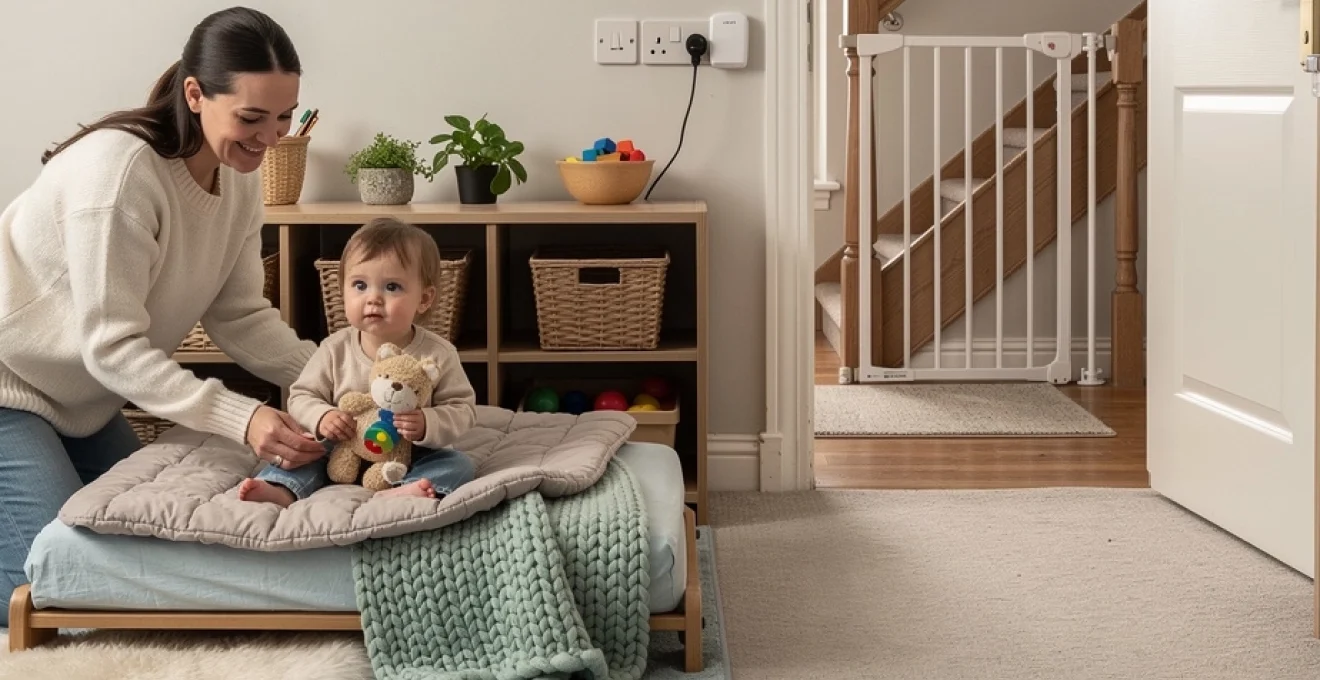
The physical and emotional well-being of children depends fundamentally on the environments in which they spend their time. A thoughtfully designed space can significantly influence a child’s development, behaviour, and overall sense of security. Research indicates that children who grow up in carefully planned environments demonstrate improved emotional regulation, enhanced cognitive development, and stronger attachment bonds with their caregivers.
Creating such an environment requires more than simply removing obvious hazards or adding colourful decorations. It involves understanding the complex interplay between physical safety measures, sensory considerations, developmental psychology, and the unique needs of each child. Modern approaches to child-centred design draw from established educational philosophies, contemporary neuroscience research, and practical safety standards to create spaces that truly support healthy development.
The process of designing a safe and comforting environment extends beyond the immediate physical space to encompass emergency preparedness, technology integration, and adaptability as children grow and change. By considering these multiple dimensions, parents and caregivers can create environments that not only protect children from harm but actively promote their flourishing at every developmental stage.
Establishing physical safety parameters and Child-Proofing protocols
Physical safety forms the foundation of any child-friendly environment, requiring systematic assessment and implementation of protective measures. The approach to childproofing has evolved significantly, moving beyond basic plug socket covers to comprehensive risk management strategies that address both obvious and subtle hazards. Effective childproofing considers the child’s perspective, literally examining the environment from their eye level and understanding how their natural curiosity might lead them into potentially dangerous situations.
Installing british standard BS EN 16977 safety gates and stair barriers
Safety gates represent one of the most critical components of home childproofing, particularly for homes with multiple levels or areas requiring restricted access. The British Standard BS EN 16977 provides comprehensive guidelines for safety gate installation, specifying requirements for strength, durability, and gap dimensions that prevent entrapment or climbing. Gates should be installed at both the top and bottom of staircases, with particular attention paid to the mounting system used for top-of-stairs installations.
Professional installation often proves worthwhile for stair gates, as improper mounting can create more dangerous situations than having no gate at all. The gap beneath the gate should not exceed 50mm, whilst vertical slats must be spaced no more than 65mm apart. Consider the gate’s opening mechanism carefully – whilst pressure-mounted gates offer convenience for doorways, only hardware-mounted options provide the security necessary for stairway applications.
Implementing socket covers and electrical safety systems
Electrical safety extends far beyond the traditional plastic socket covers that many parents rely upon. Modern electrical safety systems include tamper-resistant receptacles, ground fault circuit interrupters (GFCI), and arc fault circuit interrupters (AFCI) that provide comprehensive protection against electrical hazards. Socket covers should be the secondary line of defence, not the primary protection system.
Cord management becomes equally important, as dangling cables present both strangulation and electrocution risks. Implement cable management systems that secure cords behind furniture or within protective casings. Consider the placement of electronic devices and their charging stations, ensuring they remain inaccessible to curious hands whilst maintaining functionality for household use.
Securing furniture with Anti-Tip restraints and corner guards
Furniture tip-over incidents account for a significant percentage of childhood injuries in the home, making proper securing essential for all tall or heavy items. Anti-tip restraints should be installed on bookcases, dressers, televisions, and any furniture piece with a height-to-width ratio that makes tipping possible. The restraints must be anchored into wall studs rather than simply into drywall to provide adequate holding strength.
Corner guards and edge protection address the sharp edges found throughout most homes, but selection requires careful consideration of the child’s age and the specific hazard being addressed. Soft foam guards work well for toddlers learning to walk, whilst more robust plastic guards may be necessary for active children who might remove softer materials. Regular inspection ensures that guards remain securely attached and haven’t become hazards themselves through wear or damage.
Creating Non-Toxic material zones using Low-VOC furnishings
Choosing low-VOC (volatile organic compound) paints, sealants, and furnishings helps reduce your child’s exposure to airborne chemicals that can irritate the respiratory system and disrupt sleep. Look for certifications such as EN 71-3 for toy safety, EU Ecolabel, or GREENGUARD Gold for furniture and mattresses, and avoid products with strong synthetic fragrances. Where possible, opt for solid wood treated with natural oils, organic cotton textiles, and water-based finishes rather than solvent-based coatings. Ventilation plays a crucial role too – after any redecorating, keep windows open regularly for several weeks to allow off-gassing, and consider using an air purifier with a HEPA filter if your child has allergies or asthma. By deliberately creating low-toxin zones in bedrooms and play areas, you support both physical health and a calmer, more comforting environment.
Psychological comfort through sensory environment design
Once the basic safety measures are in place, the next layer of a comforting environment involves your child’s sensory experience of the space. Sensory inputs such as light, sound, touch, colour, and temperature shape how safe and regulated a child feels, often at a subconscious level. A well-balanced sensory environment can reduce anxiety, support better sleep, and improve concentration during play and learning. Conversely, harsh lighting, constant background noise, or overstimulating colours can keep a child’s nervous system on high alert. By making intentional choices in these areas, you can transform an ordinary room into a genuine sanctuary of psychological comfort.
Optimising lighting temperature using 2700K-3000K LED systems
Lighting is one of the most powerful yet overlooked tools for creating a safe and comforting environment for your child. Warm white LED systems in the 2700K–3000K range closely mimic the softness of late-afternoon sunlight, sending the brain signals associated with winding down and relaxation. In contrast, cool white lighting above 4000K is more stimulating and may disrupt melatonin production if used in the evening, which can affect sleep patterns and emotional regulation.
Where possible, use layered lighting: a ceiling light for general visibility, a softer floor or table lamp for playtime, and a very low-level night light to provide reassurance at bedtime. Dimmable LED systems allow you to gradually reduce brightness in the hour before sleep, supporting your child’s natural circadian rhythm; think of it as creating a « sunset » indoors. For night-time feeds or comfort visits, keep lighting below 30% brightness to avoid fully waking your child. By aligning lighting temperature and intensity with your child’s daily rhythm, you create an environment that quietly supports calm behaviour and restorative rest.
Implementing sound masking with white noise and nature acoustics
Soundscapes have a direct impact on a child’s nervous system, particularly in busy homes or urban environments where sudden noises are common. Sound masking uses consistent, gentle audio like white noise, brown noise, or nature sounds to reduce the impact of unpredictable sounds such as traffic, doorbells, or conversations in other rooms. Research shows that steady, low-level sound can help infants and young children fall asleep faster and maintain more stable sleep cycles.
You might choose a dedicated white noise machine, a smart speaker with timer-based playlists, or even a small tabletop fountain that provides soft water sounds. The key is to keep volume low – roughly the level of a quiet shower – and place the device away from the child’s head to protect developing hearing. For some children, especially those with sensory sensitivities, nature acoustics like rainfall or forest sounds feel less mechanical and more soothing than traditional white noise. By using sound masking thoughtfully, you create an auditory buffer that helps your child feel cocooned and less vulnerable to every noise in the household.
Establishing tactile comfort zones with weighted blankets and sensory textures
Tactile experiences play a central role in how secure a child feels in their environment. Creating designated « tactile comfort zones » – areas with soft, predictable, and pleasant textures – gives your child somewhere to retreat to when they feel overwhelmed. This might include plush rugs, cotton or bamboo throws, soft cushions, and a selection of fidget-friendly objects such as silicone chewable toys, fabric tags, or textured balls.
Weighted blankets and lap pads, when used safely and in line with medical guidance, can provide deep pressure input that helps some children self-regulate. The steady, gentle weight can feel like a sustained hug, signalling the nervous system to relax, much like the way swaddling soothes a newborn. However, weighted items should never be used with babies and must be sized and weighed correctly for older children, typically no more than 10% of the child’s body weight. By curating a mix of comforting textures, you give your child tools to manage big feelings through their body, not just with words.
Colour psychology application using calming blue and green palettes
Colour psychology suggests that specific hues can influence mood, attention, and perceived safety, particularly for young children with developing sensory systems. Soft blues and muted greens are often associated with calm, stability, and nature, making them ideal base colours for bedrooms and quiet play areas. These tones help counterbalance the high stimulation children encounter outside the home, acting like a visual « exhale » when they enter their space.
This does not mean you need to create a monochrome room or avoid your child’s favourite bright colours altogether. Instead, think of bold colours like red, orange, and vibrant yellow as accents in toys, artwork, or soft furnishings, while keeping walls and large furniture pieces in calmer shades. Using a limited palette of two or three main colours can also reduce visual clutter, which many children experience as stress, even if they cannot articulate it. By applying colour psychology thoughtfully, you create a room that feels both engaging and restful, supporting emotional safety as much as visual appeal.
Temperature regulation systems for optimal sleep environment
Maintaining an appropriate room temperature is fundamental for safe sleep and overall comfort. For most children, an ideal bedroom temperature falls between 18°C and 20°C (65°F–68°F), which supports both thermoregulation and quality sleep. Overheating is a known risk factor in infant sleep environments, while rooms that are too cold can lead to frequent night waking and difficulty settling.
To regulate temperature effectively, consider using a programmable thermostat or smart heating controls so the bedroom remains consistent throughout the night. Lightweight, breathable bedding made from natural fibres like cotton or wool helps wick moisture and adapt to small temperature changes. A simple rule of thumb is to dress your child in one more layer than you would wear in the same room, adjusting seasonally. By treating temperature control as part of your overall safety strategy, you create a physical backdrop that quietly underpins your child’s ability to rest, grow, and self-regulate.
Attachment Theory-Based spatial organisation
Attachment theory highlights the importance of children having both a secure base and a safe haven, and your home’s layout can either support or undermine these needs. A secure base is a place from which a child feels confident to explore, knowing they can return to you for comfort at any time. Spatial organisation that keeps key caregiving activities – such as feeding, cuddling, and bedtime routines – predictable and accessible helps reinforce this security.
In practical terms, this might mean arranging play spaces close enough to shared family areas that your child can see or hear you while playing independently. Consider clear sightlines from the kitchen to the playroom or from your favourite reading chair to the toy area; children often explore more freely when they can glance up and quickly locate you. Creating a consistent « comfort corner » with a chair, soft lighting, and familiar objects for stories and soothing gives your child a reliable safe haven when they feel upset. This spatial consistency works like a map in their mind, showing them exactly where to go for reassurance.
The organisation of belongings can also support secure attachment by providing predictability. When toys, books, and comfort items are kept in stable locations, children experience a sense of continuity and control over their environment, which in turn supports emotional regulation. You may notice that even small changes to a familiar room can unsettle some children; introducing changes gradually and involving them in decisions can help maintain their sense of ownership and safety. By aligning spatial organisation with attachment principles, you transform rooms into relational spaces that continually affirm, « You are safe here, and I am available to you. »
Developmental Stage-Appropriate environmental adaptations
A truly safe and comforting environment for your child cannot remain static; it must evolve as they move through different developmental stages. The needs of a crawling infant differ profoundly from those of a curious preschooler or an introspective school-age child. Adapting your home to accommodate changing motor skills, cognitive abilities, and social capacities not only enhances safety but also supports autonomy and confidence.
Educational philosophies such as Montessori, Waldorf Steiner, Reggio Emilia, and the Early Years Foundation Stage (EYFS) framework offer practical guidance on designing environments that match children’s developmental needs. Rather than treating these approaches as rigid rules, you can draw inspiration from their core principles and extend them to daily routines, nutrition, and creative play within your specific family context. By doing so, you create a home that is not only safe to move through but also rich in opportunities for exploration, learning, and self-directed play. The following subsections outline concrete strategies you can apply immediately.
Montessori-inspired low-level storage and accessibility solutions
Montessori environments are built around the idea that children thrive when they can independently access and return their own materials. Low-level storage such as open shelves, shallow baskets, and child-height hooks make toys, books, and clothing visible and reachable without constant adult intervention. This physical accessibility sends a powerful psychological message: « You are capable, and this space belongs to you as well. »
To create a Montessori-inspired environment at home, limit the number of items on display to avoid overwhelming your child – a few carefully chosen activities are more effective than overflowing toy boxes. Position everyday essentials, such as drinking cups, art materials, or dressing items, on lower shelves so your child can participate in daily routines without relying solely on adults. You might rotate toys every couple of weeks, observing which materials truly capture your child’s interest and support focused engagement. Over time, this approach nurtures independence and intrinsic motivation within a clear, safe framework.
Waldorf steiner natural material integration principles
The Waldorf Steiner approach places strong emphasis on natural materials, rhythm, and warmth, aiming to create spaces that feel both homely and timeless. Incorporating wood, wool, cotton, silk, and other natural fibres into your child’s environment can foster a grounded sensory experience, in contrast to the hard, shiny surfaces often associated with plastic toys. Natural materials tend to age gracefully, developing patina rather than breaking or splintering easily, which also contributes to long-term safety and sustainability.
In practice, you might choose a few high-quality wooden toys, simple cloth dolls, and open-ended items like shells, pinecones, and smooth stones for imaginative play. Soft, warm lighting and textiles in gentle, earthy tones can echo the calm, storybook quality often seen in Waldorf classrooms. Daily and weekly rhythms – such as a regular baking day, nature walk, or craft time – can be visually supported in the environment with simple baskets or trays for each activity. By integrating these principles, you create an atmosphere that feels stable and nurturing, particularly supportive for children who are sensitive to overstimulation.
Reggio emilia documentation walls and learning environment setup
Reggio Emilia-inspired spaces view the environment as the « third teacher » alongside adults and peers. One distinctive feature is the use of documentation walls: displays of children’s work, photos of projects in progress, and notes or quotes capturing their thinking. These visual records validate children’s ideas, showing them that their questions and creations matter within the family culture.
At home, you could designate a section of wall or a corkboard to showcase drawings, building projects, or small photo sequences of activities like baking or gardening together. Involving your child in choosing what to display and how to arrange it gives them a sense of agency and pride. Nearby, you might set up simple, flexible learning stations – for example, a table with loose parts for building, an art corner with accessible materials, or a small science tray with magnifying glasses and natural objects. This type of environment encourages inquiry-led play, where your child feels safe to experiment and return to ideas over time.
Eyfs-compliant learning zones and activity stations
The EYFS framework, widely used in early years settings in the UK, emphasises balanced provision across key areas of learning and development. You can adapt this approach at home by creating clear, EYFS-inspired learning zones that promote communication, physical development, personal and social skills, and early literacy and numeracy. These zones do not require a large space; even a small living room can be subtly partitioned into areas for construction, role play, quiet reading, and creative exploration.
For instance, a cosy corner with cushions and a low bookshelf supports language and literacy, while a small table with puzzles and stacking toys promotes problem-solving and fine motor skills. Outdoor areas, even balconies or small gardens, can become gross motor and exploration zones with simple additions like chalk, plant pots, or a water tray. Labelling baskets or shelves with both words and pictures helps children understand where things belong, reinforcing order and independence. By aligning your home with EYFS principles, you ensure that safety, comfort, and development are woven together in everyday routines.
Technology integration and digital safety boundaries
In contemporary family life, digital devices are impossible to ignore, and creating a safe environment for your child must now include thoughtful technology integration. Screens can offer educational content, connection with distant relatives, and creative opportunities, but they also introduce risks related to sleep disruption, exposure to inappropriate material, and reduced physical activity. Establishing clear digital safety boundaries helps you harness the benefits of technology while protecting your child’s well-being.
Start by deciding where devices live within the home. Many families find it helpful to designate shared spaces – such as the living room – as primary screen zones while keeping bedrooms device-free to protect sleep and attachment-focused routines. Parental control tools on tablets, smartphones, and smart TVs can filter content by age, limit app downloads, and set usage timers; think of these tools as the digital equivalent of safety gates and cabinet locks. For younger children, co-viewing content whenever possible allows you to explain, contextualise, and notice any signs of overstimulation or distress.
Clear, age-appropriate rules around screen time provide predictability, much like household routines. For example, you might implement a « no screens in the hour before bed » guideline to protect melatonin production and support wind-down rituals, or use screens only after certain real-world tasks have been completed, such as outdoor play or reading. As children grow older, involving them in setting and reviewing these rules can foster digital citizenship and self-regulation. Open conversations about online behaviour, privacy, and kindness prepare them for future independent use long before they have their own devices.
Physical safety extends into the digital realm as well. Position screens so that you can easily glance at what your child is doing, and encourage the habit of asking for help if something online feels confusing or frightening. Installing blue-light filters or enabling « night mode » in the evening can reduce eye strain and support sleep, especially if homework or learning platforms require occasional evening use. By treating technology as one element within a balanced environment – rather than the central focus – you help your child develop a healthy, secure relationship with digital tools from the start.
Emergency preparedness and crisis management protocols
Even in the most carefully child-proofed home, unexpected events can occur, making emergency preparedness a critical component of a safe environment. Rather than inducing anxiety, well-planned crisis management protocols can actually increase everyone’s sense of security, including your child’s. Think of these preparations as another form of child-proofing, designed not just to prevent incidents but to guide calm, effective responses when they happen.
Begin by identifying the most likely risks for your household and region, such as fires, power cuts, severe weather, or medical emergencies. Create simple, written plans for each scenario, including exit routes, meeting points, and key phone numbers, and store them in an accessible location. For school-age children, practising these plans through gentle, age-appropriate drills – similar to fire drills at school – helps normalise safety procedures without creating fear. You might turn a practice run into a timed « safety challenge, » followed by reassurance and praise for their participation.
A well-organised emergency kit is another practical step. This could include a first-aid kit tailored to children’s needs, basic medications recommended by your healthcare provider, spare inhalers or allergy treatments where applicable, bottled water, non-perishable snacks, flashlights, and a battery-powered or wind-up radio. Storing a small comfort item, like a soft toy or blanket, in or near the kit can also help soothe a distressed child during an emergency. Make sure that any potentially hazardous items in the kit, such as medications or sharp tools, are stored securely out of everyday reach yet quickly accessible to adults.
Contact information and documentation are easy to overlook but vital in a crisis. Keep a printed list of emergency numbers, including your GP, local out-of-hours services, and poison control, near the main phone or on the inside of a cupboard door. Copies of key documents – such as allergy plans, medical summaries, or custody information – can be stored in a waterproof wallet with your kit. If your child is in foster care or has additional needs, work closely with social workers, schools, and medical professionals to ensure that emergency plans reflect their specific circumstances and support networks.
Finally, remember that your emotional response during a crisis profoundly shapes how your child experiences it. While no one can stay perfectly calm in every situation, having rehearsed plans and resources at hand reduces panic and allows you to model measured, purposeful action. Afterwards, taking time to debrief with your child, answer questions, and validate their feelings helps them process the event and rebuild a sense of safety. In this way, emergency preparedness is not just about equipment and procedures but also about nurturing resilience and trust within the family system.