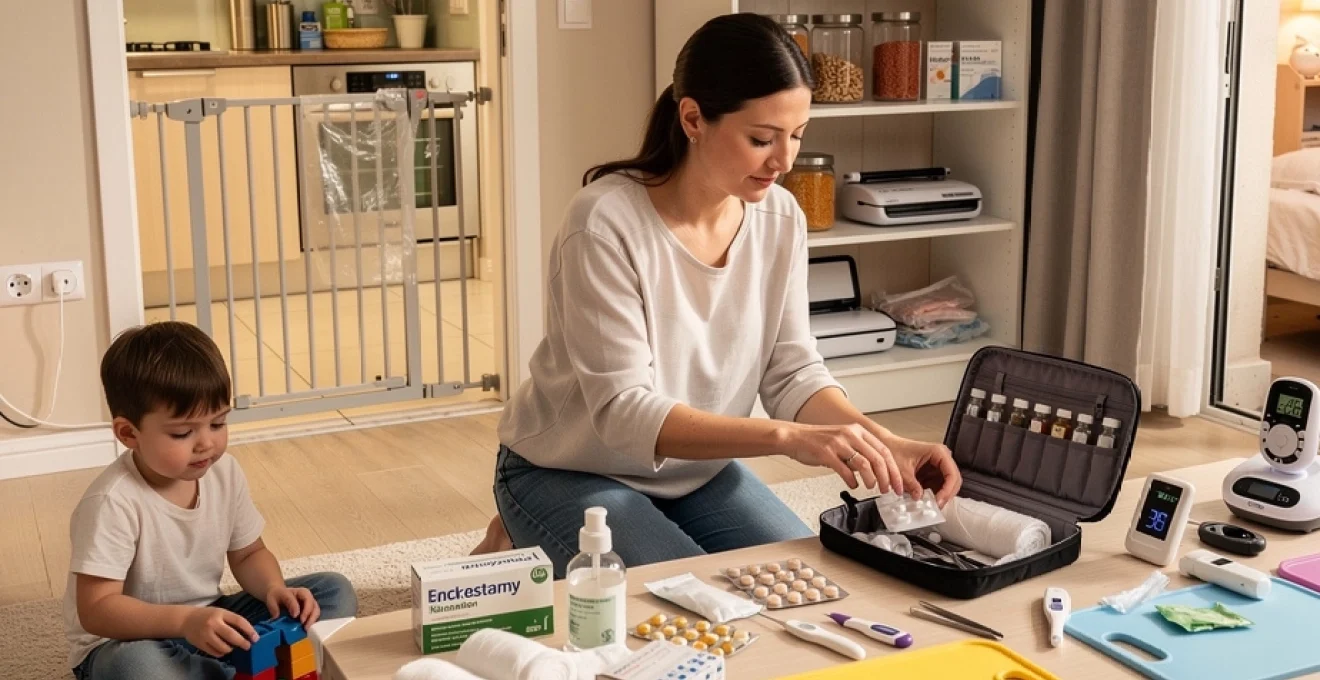
Modern motherhood demands strategic preparation that extends far beyond nursery décor and baby clothes. Creating a secure, healthy environment for your family requires careful consideration of medical supplies, safety equipment, and emergency preparedness measures. The difference between feeling overwhelmed and confidently managing household crises often comes down to having the right essentials readily available when you need them most.
Every mother faces unexpected situations that test her resourcefulness and planning skills. From midnight fever spikes to curious toddlers exploring electrical outlets, the challenges of family life are both predictable and surprising. Establishing comprehensive home systems for health, safety, and emergency response creates a foundation of security that allows families to thrive rather than merely survive daily challenges.
The investment in proper home essentials pays dividends in reduced stress, faster response times during emergencies, and the peace of mind that comes from knowing you’re prepared. Smart preparation today prevents tomorrow’s panic, transforming potential crises into manageable situations that strengthen rather than strain family bonds.
First aid kit composition and medical supply management
A comprehensive first aid kit serves as the cornerstone of home medical preparedness, yet many families rely on inadequate supplies that fall short during actual emergencies. Professional-grade medical kits contain specific components designed to address common injuries and health concerns that occur in family environments. The key lies not just in having supplies, but in maintaining, organising, and regularly updating these essential items to ensure maximum effectiveness when needed.
Strategic placement of medical supplies throughout the home increases response speed during emergencies. Primary kits belong in easily accessible locations such as kitchen cupboards or bathroom medicine cabinets, while secondary supplies should be distributed to high-activity areas including children’s playrooms, workshops, and outdoor spaces. This multi-location approach ensures that help remains within reach regardless of where incidents occur within your property.
Essential medications: paracetamol, ibuprofen, and antihistamines
Pain relief and fever management medications form the foundation of every family’s pharmaceutical arsenal. Paracetamol provides safe, effective relief for headaches, muscle aches, and fever reduction across all age groups when dosed appropriately. Stock both adult-strength tablets and children’s formulations to ensure proper dosing for different family members during illness or injury.
Ibuprofen offers additional benefits beyond pain relief, providing anti-inflammatory properties that help reduce swelling and tissue damage from injuries. This dual-action medication proves particularly valuable for sports injuries, dental pain, and inflammatory conditions that affect active families. Always maintain separate adult and child formulations to prevent dosing errors during stressful emergency situations.
Antihistamines address allergic reactions ranging from seasonal hay fever to unexpected food sensitivities or insect stings. Modern non-drowsy formulations allow family members to continue daily activities while managing allergic symptoms effectively. Keep both liquid and tablet forms available, as liquid medications often work faster for acute allergic reactions requiring immediate intervention.
Wound care arsenal: sterile gauze, adhesive plasters, and antiseptic solutions
Proper wound care supplies enable mothers to address cuts, scrapes, and minor injuries with confidence and clinical effectiveness. Sterile gauze pads in multiple sizes accommodate everything from small finger cuts to larger abrasions that require comprehensive coverage. Quality gauze provides superior absorption while maintaining sterility during the critical initial treatment period.
Adhesive plasters should include variety packs containing different shapes and sizes suitable for various injury types and body locations. Waterproof options prove essential for active children who continue playing despite minor cuts, while fabric plasters offer superior comfort for longer-term wear. Specialised plasters designed for fingertips, knuckles, and joints provide better adhesion and protection for high-movement areas.
Antiseptic solutions prevent infection while promoting healthy wound healing through gentle cleansing action. Modern antiseptic sprays eliminate the sting associated with traditional treatments, making wound care less traumatic for children while maintaining clinical effectiveness. Alcohol-free formulations reduce tissue damage while providing broad-spectrum antimicrobial protection essential for proper healing.
Emergency response tools: digital thermometer, tweezers, and instant cold packs
Accurate temperature monitoring enables mothers to
make informed decisions about when to seek medical help and how aggressively to treat a fever. A reliable digital thermometer with flexible tip and fast-read capability should be standard in every family first aid kit. Consider keeping one in the bathroom and another in your travel or changing bag so you are never searching during a stressful moment.
Tweezers may seem like a minor tool, but they are indispensable for removing splinters, glass fragments, and insect stingers safely. Choose a pair with a fine, slanted tip and store them in a protective case to maintain hygiene. Combined with a bright torch or headlamp, tweezers allow you to manage many minor injuries at home instead of rushing to urgent care.
Instant cold packs provide immediate relief for bumps, bruises, sprains, and minor burns, especially in active households with toddlers or school‑age children. Because they do not require refrigeration, they can be stored in multiple locations, including the car, pram basket, or outdoor shed. Think of them as “portable ice” that helps reduce swelling and pain in the crucial first minutes after an injury, when swift action makes the biggest difference.
Prescription medication storage and temperature control systems
Many mothers are responsible for managing not only over‑the‑counter medicines but also long‑term prescription drugs for themselves or their children. Safe storage goes beyond keeping tablets on a high shelf; it involves controlling temperature, humidity, and access. Most medications should be kept between 15–25°C in a cool, dry place, which means the bathroom cabinet above a steamy shower is often the worst location for your family’s medicines.
Instead, designate a lockable medicine box or drawer in a central but discreet area of your home, such as a hallway cupboard or bedroom wardrobe. Add a simple digital room thermometer nearby so you can confirm the temperature remains within the manufacturer’s recommended range, especially during heatwaves or cold snaps. For medicines requiring refrigeration, use a dedicated box on a middle fridge shelf, away from the back wall where temperatures can fluctuate and cause freezing.
Effective medical supply management also means tracking expiry dates and dosages with the same care you would apply to your household budget. A simple spreadsheet or a labelled organiser with monthly dividers can help you see at a glance which prescriptions are running low, which inhalers or epipens are nearing expiry, and when repeat prescriptions need to be ordered. By treating medication management like a small but critical home “logistics system,” you dramatically reduce the risk of being caught without essential drugs when you need them most.
Childproofing infrastructure and safety equipment installation
Once babies become mobile, your home effectively turns into a living obstacle course. Childproofing infrastructure is not about wrapping your entire environment in cotton wool; it is about strategically reducing high‑risk hazards while still allowing exploration and play. Studies from child injury prevention charities consistently show that simple safety measures in the home can reduce the risk of serious accidents by up to 60%, yet many families delay installation until after a near miss.
Think of childproofing as building a layered safety net. No single device—whether a gate, lock, or socket cover—can replace supervision, but together they create strong back‑up systems that protect your child in those inevitable moments when you are distracted. Prioritise high‑traffic and high‑risk zones first: kitchens, stairs, bathrooms, and any rooms with heavy furniture or large windows. From there, you can refine and improve as your child’s abilities and curiosity grow.
Electrical safety measures: socket covers, RCD testing, and cable management
Electrical safety is one of the most overlooked aspects of home preparation, even though toddlers are naturally drawn to plugs, cables, and flashing standby lights. Socket covers can reduce risk, particularly in older homes, but modern safety guidelines vary by region, so it is worth checking current recommendations from your local electrical safety authority. If you do choose plug covers, opt for models that sit flush with the wall and cannot be easily prised off by small fingers.
A far more critical defence is ensuring your home’s residual current device (RCD) or ground fault circuit interrupter (GFCI) is working correctly. These devices cut power almost instantly if they detect a fault, significantly reducing the risk of serious electric shock. Schedule an RCD test at least twice a year—many mothers choose to link this with clock changes or seasonal wardrobe swaps to make it easier to remember. If you rent, don’t hesitate to ask your landlord or property manager when the system was last checked.
Cable management is another practical, low‑cost layer of protection. Loose phone chargers, extension leads, and TV cables are both strangulation and tripping hazards for young children. Use cable clips, trunking, or floor covers to route leads along walls and behind furniture. Where possible, anchor power strips out of sight and switch to shorter, high‑quality cables rather than allowing metres of wiring to snake across the floor like a tempting toy.
Furniture anchoring systems: anti-tip brackets and corner guard installation
Every year, emergency departments report injuries from furniture tip‑overs involving dressers, bookcases, and televisions. To a climbing toddler, a chest of drawers is not a storage unit but a ladder. Anti‑tip brackets and straps transform potentially dangerous furniture into stable fixtures, in the same way a seat belt turns a moving car into a safer environment. The installation usually takes less than 20 minutes per item, yet the protection lasts for years.
Start with tall or narrow pieces such as wardrobes, shelving units, and freestanding mirrors, then move to anything a child could use for leverage when pulling themselves to stand. Use the manufacturer’s recommended fixing points where available, or install aftermarket anti‑tip kits verified for the weight and height of your furniture. Always fasten brackets into solid studs or masonry rather than just plasterboard, ensuring they can bear the full force of a determined toddler’s climb.
Corner guards may seem like a cosmetic accessory, but anyone who has seen a newly walking child collide with a sharp coffee table edge knows how quickly accidents happen. Soft silicone or foam corner protectors can reduce the severity of bumps and bruises around tables, hearths, and low TV units. As your child grows and gains spatial awareness, you can gradually remove these additions, but in the early years they offer an important cushion between your child’s head and the hard geometry of modern furniture.
Stair safety solutions: safety gates, banister shields, and non-slip treatments
Stairs are among the most dangerous features in a family home, and effective stair safety solutions are non‑negotiable for mothers of young children. Hardware‑mounted safety gates should be installed at both the top and bottom of staircases, as pressure‑mounted models can shift under impact and are generally not recommended for top‑of‑stairs use. Look for gates that can be opened one‑handed and automatically close or lock, reducing the risk of being accidentally left ajar when your hands are full.
Open banisters and horizontal railings may look elegant but can present climbing and entrapment hazards for curious toddlers. Banister shields—clear plastic or mesh barriers attached along the length of the railing—prevent children from slipping through gaps or posting toys (and occasionally limbs) between spindles. They act like a transparent guardrail, preserving light and visibility while quietly adding a vital barrier.
Non‑slip treatments complete your stair safety strategy by addressing the risk of slips in socks or bare feet. Non‑slip stair treads, adhesive grip strips, or a high‑quality stair runner can all significantly improve traction. In homes with polished wooden stairs, this is particularly important. Consider pairing these physical changes with simple behavioural rules, such as “no toys on the stairs” and “always hold the handrail,” to reinforce safety as part of everyday family culture.
Window and door security: restrictor hinges, magnetic locks, and handle covers
Windows offer light, air, and views—exactly the things children love to explore. However, unsecured windows on upper floors pose a serious fall risk. Window restrictors or safety catches limit how far a window can open, usually to about 10 cm, which is enough for ventilation but not enough for a child to climb through. Modern restrictor hinges can often be retrofitted without major renovation and include emergency release features so adults can still use windows as escape routes if needed.
Internal doors, particularly those leading to bathrooms, utility rooms, and home offices, benefit from discreet childproof locks. Magnetic locks installed inside cupboards and drawers are popular because they are invisible from the outside and can be disengaged with a small key when children are not present. For frequently used rooms, simple handle covers or over‑the‑door latches can slow down wandering toddlers and give you more control over which areas of the home remain accessible.
Door finger guards and soft close devices are another often‑forgotten layer of protection. Little fingers are surprisingly vulnerable to heavy doors and unexpected drafts. By installing hinge protectors and using soft‑close mechanisms where possible, you reduce the risk of crush injuries and loud, startling slams. These subtle modifications work quietly in the background, much like a good safety plan: barely visible, but deeply reassuring.
Emergency communication and documentation systems
In genuine emergencies, clear communication can be as life‑saving as any physical piece of equipment. When adrenaline surges and panic threatens to take over, having pre‑planned emergency communication and documentation systems acts like a script you can follow. Instead of scrambling to remember phone numbers or medication names, you simply consult information you have already collected in calmer moments.
Start by assembling a one‑page emergency contact sheet and placing laminated copies near your main phone, on the fridge, and inside your first aid kit. Include numbers for local emergency services, your GP or paediatrician, poison control, close family or neighbours, and any specialist clinicians your child sees regularly. For homes with older children or babysitters, add clear instructions on when to call each number, plus your home address and key medical details in case they need to speak to dispatchers.
Many mothers now complement paper resources with digital tools. Emergency apps on smartphones can store medical profiles, allergy information, and even pre‑written messages that can be sent to a trusted contact with a single tap. Cloud‑based folders can hold scanned copies of vaccination records, prescription lists, and insurance details, making them accessible even if you are away from home. Consider sharing access with a partner or close relative so that critical information is never locked behind a single lost or broken device.
Documentation is equally important for ongoing health and safety management. Maintain a simple household “health log” where you note significant illnesses, injuries, medication changes, and hospital visits. This does not need to be elaborate; even a dated notebook entry helps you see patterns, recall timelines at doctors’ appointments, and monitor the effectiveness of treatments. Over time, this log becomes a quiet but powerful resource, helping you advocate more confidently for your family’s health.
Household cleaning and sanitisation protocol
Cleanliness in a family home is not about chasing an unrealistic ideal of perfection; it is about smart sanitisation that targets the areas most likely to harbour germs and allergens. Young children touch everything and then put their hands straight into their mouths, so a robust household cleaning protocol is one of the most practical health essentials every mother should have at home. The goal is to reduce infection risk and allergen exposure without filling the environment with harsh chemicals.
Focus first on high‑touch surfaces: door handles, light switches, taps, remote controls, and phone screens. These areas act like “germ highways,” especially during cold and flu season. A regular routine of wiping them down with a child‑safe disinfectant or diluted bleach solution (used according to manufacturer guidelines) can significantly cut transmission within your household. Microfibre cloths, colour‑coded for different zones, help you avoid cross‑contamination between bathrooms, kitchens, and play areas.
Flooring deserves special attention in homes where babies are crawling or toddlers play on the ground. Hard floors can usually be managed with a combination of vacuuming and damp mopping using low‑toxicity cleaners, while carpets benefit from frequent vacuuming and periodic deep cleaning to remove dust mites, pollen, and spills. If any family members suffer from asthma or eczema, consider using a vacuum with a HEPA filter and reviewing your cleaning products to minimise fragrances and known irritants.
A clear storage system for cleaning materials is another key part of your sanitisation protocol. Keep all products in a locked or high cupboard, ideally in their original containers with safety instructions intact. Child‑resistant spray bottles and clearly labelled dilutions prevent accidental ingestion or misuse. As with your first aid kit, review your stock periodically to remove expired products and ensure you have essentials like disinfectant, hand soap, and laundry detergent on hand before you run out.
Nutritional planning and food safety management
Feeding a family is a daily responsibility that blends nutrition, budgeting, and safety. Effective nutritional planning and food safety management do not require gourmet cooking skills; they rely on a small set of thoughtful habits and well‑chosen pantry essentials. When you approach your kitchen like a mini food service operation—with systems for storage, rotation, and hygiene—you dramatically reduce waste, save money, and protect your family from food‑borne illnesses.
Start by clarifying your household’s nutritional priorities. Do you need iron‑rich options for a breastfeeding mother, allergen‑free snacks for a toddler, or high‑protein meals for sporty teens? Once you understand your specific needs, you can design a flexible meal framework built around safe, balanced choices. This framework becomes especially valuable during busy weeks, illness, or unexpected guests, when decision fatigue makes it tempting to rely on less healthy convenience foods.
Pantry essentials: long-life staples, nutritional supplements, and allergen-free alternatives
A well‑stocked pantry is like a household safety net, giving you the ability to assemble nourishing meals even when fresh produce runs low or you cannot get to the shops. Long‑life staples such as dried pasta, rice, oats, tinned tomatoes, beans, and lentils form the backbone of countless family‑friendly recipes. Whole‑grain versions provide extra fibre and nutrients, supporting digestive health for both adults and children.
Nutritional supplements can play a supporting role, particularly for mothers in the postpartum period or during breastfeeding, when nutrient demands are higher. While food should remain the primary source of vitamins and minerals, having vitamin D drops for children, omega‑3 capsules, or iron supplements recommended by your healthcare provider can help bridge gaps. Store these alongside your pantry staples or in your medication area, and set reminders to check expiry dates every few months.
For families managing food allergies or intolerances, allergen‑free alternatives are not a luxury but a necessity. Gluten‑free flours, dairy‑free milks, and nut‑free spreads allow you to adapt favourite recipes without compromising safety. Because specialty items can be expensive, buy strategically: focus on versatile products you will use in multiple dishes rather than niche ingredients. In mixed‑diet households, consider a dedicated shelf or container for allergen‑free items to prevent cross‑contamination and make safe choices easier for everyone.
Food storage solutions: vacuum sealing, temperature monitoring, and rotation systems
Food safety at home hinges on how you store, label, and monitor your ingredients. Simple principles—keeping cold foods cold, hot foods hot, and leftovers clearly dated—can prevent the majority of food‑borne illnesses. Domestic fridges should be kept at or below 5°C, and freezers at −18°C or lower; a small fridge thermometer is an inexpensive tool that confirms your appliances are maintaining safe temperatures, particularly during seasonal extremes or power fluctuations.
Vacuum sealing and airtight containers extend the life of dry goods and frozen items by protecting them from oxygen and moisture. For busy mothers, this can be transformative: batch‑cooked soups, stews, and sauces can be portioned, sealed, and frozen for quick reheats on hectic evenings. Label each package with its contents and date using a waterproof marker or printed labels, turning your freezer into an organised “backup menu” rather than a chaotic graveyard of unidentifiable leftovers.
Rotation systems—often summarised as “first in, first out”—ensure older items are used before newer ones. Arrange cupboards and fridge shelves so that foods nearing their use‑by dates are at the front and more recent purchases at the back. Some families find it helpful to keep a simple list on the fridge door noting what needs to be used this week, turning food safety into a shared household responsibility rather than one more invisible task for mothers to carry alone.
Kitchen safety equipment: food thermometers, timer systems, and cutting board protocols
The kitchen is both the heart of the home and one of its highest‑risk environments. Beyond knives and hot surfaces, undercooked meats and cross‑contamination pose invisible dangers. A digital food thermometer is one of the most powerful kitchen safety tools you can own, confirming that poultry, mince, and leftovers have reached safe internal temperatures. No more guessing whether a casserole is “probably done”—you have data to back you up.
Timer systems may seem simple, but they are crucial when you are juggling meal prep with childcare, homework, or work calls. Use the timer on your oven, phone, or a dedicated kitchen device every time you cook, even for tasks you feel you know by heart. This habit reduces the risk of burnt food, kitchen fires, and last‑minute panics when you become distracted by a crying baby or urgent message.
Cutting board protocols add another guardrail to your food safety management. Ideally, maintain separate boards for raw meat, cooked foods, and fresh produce, using different colours or clear labels to distinguish them. This practice prevents raw juices from contaminating ready‑to‑eat items, a frequent cause of home‑based food poisoning. Train older children who help in the kitchen to follow the same system, turning safe food handling into a shared family skill rather than a solo burden.
Sleep environment optimisation and monitoring technology
Quality sleep is one of the most precious resources for both mothers and children, yet it is often the first thing sacrificed in busy households. Optimising the sleep environment is not about enforcing silence or darkness at all times; it is about creating conditions where rest comes more easily and safely. For babies and young children in particular, a well‑designed sleep space can reduce the risk of accidents, support healthy development, and even ease bedtime battles.
Begin with the basics of safe sleep: a firm, flat mattress, a fitted sheet, and a clutter‑free cot or bed with no loose pillows, bumpers, or heavy blankets around infants. Room temperature matters more than many parents realise; experts generally recommend keeping nurseries between 16–20°C to reduce overheating risks. A simple room thermometer and an adjustable tog sleeping bag help you match your child’s bedding to seasonal changes without constant guesswork.
Lighting and sound also play powerful roles. Blackout curtains or blinds help signal night‑time to young brains that are still learning the difference between day and night, particularly in summer or in brightly lit urban areas. Gentle white noise machines can mask household sounds and create a consistent auditory backdrop that many babies and toddlers find soothing—think of it as recreating the reassuring whoosh of the womb rather than enforcing complete silence, which is rarely realistic in a family home.
Monitoring technology, used thoughtfully, offers an additional layer of reassurance without replacing parental judgement. Audio or video baby monitors allow you to move around the house or garden while still keeping an ear or eye on sleeping children, reducing the temptation to hover and constantly peek in. Modern systems may include temperature displays, movement alerts, or app connectivity, but more features are not always better; choose a device that supports your peace of mind without overwhelming you with data.
As children grow older, sleep environment optimisation shifts from pure safety to supporting healthy routines and independence. Consistent bedtimes, calming pre‑sleep rituals, and predictable lighting cues—such as dimming lamps 30 minutes before bed—help regulate body clocks for the whole family. In this way, your home becomes not just a shelter, but a carefully tuned ecosystem where health, safety, and comfort work together to support every stage of motherhood.