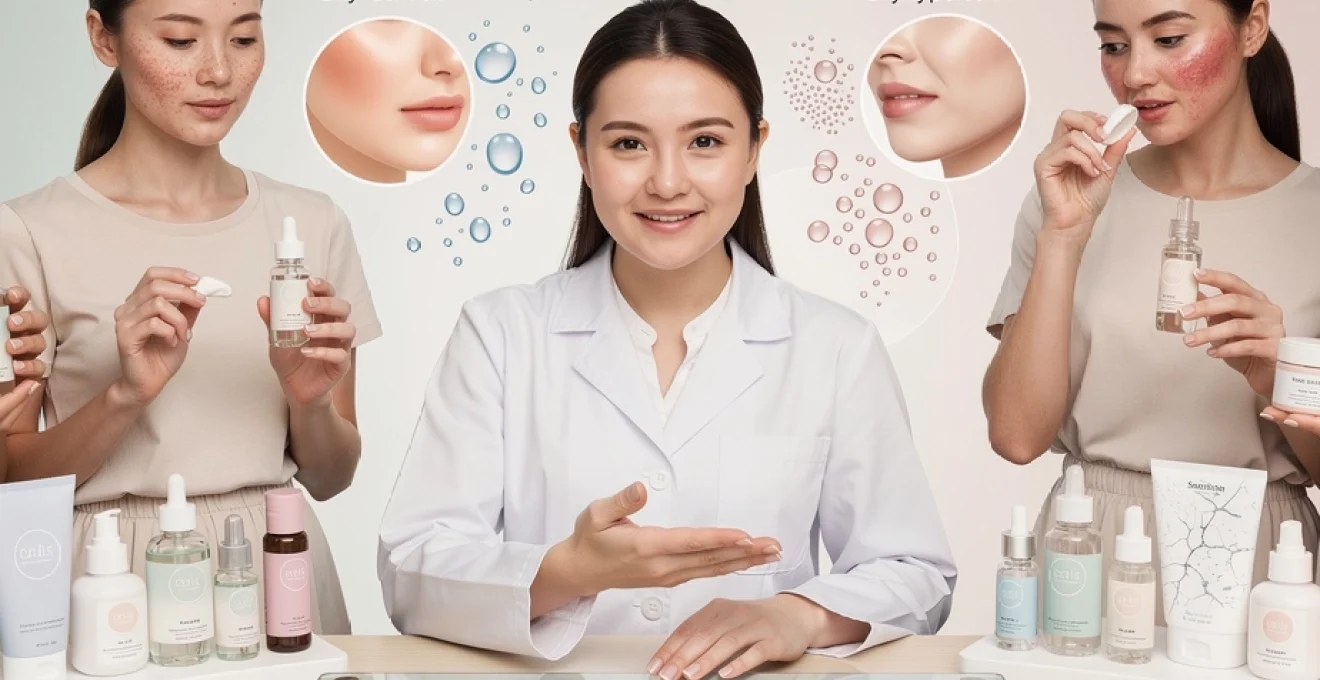
Your skin is a complex organ with unique characteristics that demand personalized care. While generic skincare advice floods social media and beauty magazines, truly effective skincare begins with understanding your individual dermal profile. The science of dermatology has evolved significantly, offering sophisticated classification systems and targeted ingredient technologies that allow for precision skincare—a approach that considers not just surface conditions, but deeper physiological factors like sebum production, barrier function, and inflammatory responses. With over 16 distinct skin type combinations identified by modern dermatological research, the days of simple “oily” or “dry” categorizations are behind us. This comprehensive guide explores the scientific frameworks that underpin professional skin analysis and translates complex dermatological concepts into actionable routines you can implement immediately.
Understanding the fitzpatrick scale and baumann skin typing system
Modern dermatology relies on two primary classification systems to assess and categorize skin comprehensively. The Fitzpatrick Scale, developed in 1975, and the more recent Baumann Skin Typing System represent foundational tools for understanding how your skin behaves, reacts, and ages. These frameworks move beyond superficial observations to examine intrinsic characteristics that influence product selection and treatment outcomes.
Classifying your skin using the fitzpatrick scale I-VI categories
The Fitzpatrick Scale classifies skin into six phototypes based on melanin content and reaction to ultraviolet radiation exposure. Type I represents the lightest skin that always burns and never tans, while Type VI describes deeply pigmented skin that never burns. This classification isn’t merely about appearance—it fundamentally affects your vulnerability to photodamage, hyperpigmentation risk, and appropriate sun protection protocols. For instance, individuals with Fitzpatrick Types IV-VI face higher risks of post-inflammatory hyperpigmentation following acne or skin trauma, necessitating gentler exfoliation methods and specific brightening ingredients like tranexamic acid or kojic acid. Understanding your Fitzpatrick type informs not just sunscreen selection but also influences decisions about chemical peels, laser treatments, and retinoid concentrations.
Baumann’s 16 skin type matrix: DSPT, OSPT, DSPW, and OSPW analysis
Dr. Leslie Baumann revolutionized skin typing by creating a multidimensional system that evaluates four key parameters: oily versus dry (hydration), sensitive versus resistant (reactivity), pigmented versus non-pigmented (melanin production), and tight versus wrinkled (aging characteristics). This creates 16 possible combinations, such as DSPT (Dry, Sensitive, Pigmented, Tight) or OSNT (Oily, Sensitive, Non-pigmented, Tight). Each combination requires distinctly different product formulations and active ingredient concentrations. An OSPT skin type, for example, produces excess sebum, reacts easily to irritants, develops pigmentation readily, and shows premature aging—requiring lightweight, non-comedogenic formulations with calming agents like centella asiatica, brightening ingredients, and anti-aging actives. This comprehensive approach eliminates guesswork and allows for truly personalized skincare protocols based on your unique dermal fingerprint.
Identifying sebaceous gland activity through sebum production patterns
Sebaceous gland activity represents one of the most variable aspects of skin physiology, influenced by genetics, hormones, climate, and age. Professional skin analysis measures sebum production using specialized equipment that quantifies lipid secretion rates across different facial zones. The T-zone typically produces 2-3 times more sebum than the U-zone (cheeks and jawline), explaining the prevalence of combination skin types. High sebaceous activity isn’t inherently problematic—sebum provides natural moisturization and antimicrobial protection—but excess production can lead to comedone formation and inflammatory acne. Understanding your sebum production patterns allows you to zone-treat effectively, applying mattifying, pore-refining products to hyperactive areas while maintaining adequate hydration elsewhere. Interestingly, over-stripping oily skin often triggers compensatory sebum production, creating a counterproductive cycle that balanced, appropriate formulations can interrupt.
Measuring transepidermal water loss (TEWL) for barrier function assessment
Transepidermal water loss (TEWL) is a key metric used to evaluate how effectively your skin barrier retains moisture. In clinical settings, TEWL is measured with devices called tewameters that quantify the rate at which water evaporates from the skin surface, expressed in g/m²/h. Elevated TEWL values indicate a compromised barrier, which is commonly seen in conditions such as atopic dermatitis, rosacea, and chronically dry or over-exfoliated skin. While you may not have access to a TEWL device at home, persistent tightness, flaking, and burning sensations after applying products are strong indicators that your barrier function is impaired and your skincare routine needs recalibration.
Why does this matter for designing a tailored skincare routine? A weakened barrier allows irritants and allergens to penetrate more easily, increasing sensitivity and the risk of inflammation. In this state, even well-formulated active ingredients can cause stinging or redness, leading many people to incorrectly assume they are “reactive to everything.” When TEWL is high, the priority becomes barrier repair: simplifying your regimen, reducing exfoliation, and emphasizing ceramides, cholesterol, and fatty acids that rebuild the stratum corneum. Once TEWL normalizes and your skin feels more comfortable, you can gradually reintroduce exfoliants, retinoids, and other potent actives at lower frequencies to maintain results without re-damaging the barrier.
Decoding active ingredients for oily and acne-prone complexions
Oily and acne-prone skin types are characterized by elevated sebaceous activity, increased keratinization in pores, and often a heightened inflammatory response to bacteria like Cutibacterium acnes. Designing a skincare routine for these complexions means targeting each of these pathways: sebum production, pore congestion, and inflammation. Instead of aggressively “drying out” the skin, which can backfire by triggering rebound oiliness, the goal is to normalize function using evidence-based actives. Let’s examine the hero ingredients that form the backbone of an effective oily and acne-prone skincare routine, and how to dose and combine them safely.
Salicylic acid and beta hydroxy acids (BHAs) for comedone extraction
Salicylic acid is a lipid-soluble beta hydroxy acid that penetrates into the pore lining, dissolving the mixture of sebum and dead skin cells that form comedones (blackheads and whiteheads). Typical over-the-counter formulations range from 0.5% to 2%, with 2% being the most common concentration in cleansers, toners, and spot treatments. Because salicylic acid is keratolytic, it helps normalize cell shedding inside the follicle, which is why consistent use can prevent new breakouts rather than only treating existing ones. Think of it as a “pipe cleaner” for your pores, keeping pathways clear so blockages are less likely to occur.
How should you integrate BHAs into your oily skin routine without over-exfoliating? For most acne-prone complexions, using a 1–2% salicylic acid leave-on product once daily, or every other day if you’re sensitive, is sufficient for long-term comedone control. If you already use retinoids, you might limit BHA use to 2–4 times per week and monitor for signs of irritation such as burning, excessive peeling, or heightened redness. Those with Fitzpatrick types IV–VI must be especially cautious: overuse of BHAs in these skin types can lead to post-inflammatory hyperpigmentation, so start slowly and prioritize hydrating, barrier-supportive products alongside your exfoliant.
Niacinamide concentration protocols for sebum regulation
Niacinamide, a form of vitamin B3, is one of the most versatile ingredients for oily and acne-prone skin. Clinical data suggest that concentrations between 2–5% can reduce sebum excretion rates and shine, while also reinforcing barrier function and decreasing inflammation. Many serums marketed for “pore minimizing” and “oil control” contain niacinamide at around 4–10%, but more is not always better—some individuals experience flushing or tingling at very high concentrations. A well-formulated 4–5% niacinamide serum is typically enough to support sebum balance without overwhelming sensitive or reactive skin types.
Where should niacinamide fit in your personalized skincare routine? Because it layers well with most actives, you can apply it after cleansing and before thicker serums or moisturizers, both morning and evening. For combination skin, focus niacinamide applications on the T-zone to help refine the look of enlarged pores and reduce midday shine, while using more nurturing, hydrating formulas on the U-zone. If you already use potent actives like tretinoin or strong exfoliating acids, niacinamide can act like a “buffering” ally, enhancing barrier resilience and reducing the likelihood of dryness or irritation that might otherwise limit your use of acne-focused treatments.
Retinoid formulations: adapalene, tretinoin, and retinol percentages
Retinoids are derivatives of vitamin A and remain the gold standard for treating acne and photoaging. For oily and acne-prone complexions, adapalene (commonly at 0.1% or 0.3%), tretinoin (0.01–0.1%), and cosmetic retinol (0.1–1%) are the most frequently used options. Adapalene and tretinoin are typically available by prescription in many regions and work by normalizing follicular keratinization, reducing inflammation, and accelerating cell turnover. Cosmetic retinol, while less potent, is often better tolerated and can be an excellent entry point for beginners who want the benefits of retinoids without intense peeling. The key is to respect the strength hierarchy: 0.1% adapalene or 0.025% tretinoin can be far more active than 0.5% retinol, even if the numbers appear smaller.
How do you integrate retinoids into your skincare routine without triggering a “retinoid burn”? Start with a pea-sized amount applied to dry skin 2–3 nights per week, avoiding the immediate eye and lip area, and follow with a non-comedogenic moisturizer. Over 4–8 weeks, you can gradually increase the frequency as tolerance builds. If you also use acids (like AHAs or BHAs), consider alternating nights—one night retinoid, one night acid, and one night focused solely on hydration and barrier repair. This rotation method allows you to reap the full benefits of each active while minimizing the cumulative irritation that can otherwise destabilize your skin barrier and increase TEWL.
Clay-based treatments with kaolin and bentonite for pore refinement
Clay masks formulated with kaolin and bentonite can be valuable adjuncts in an oily or acne-prone skincare routine. These mineral clays have absorbent properties, drawing excess sebum and impurities from the surface, which can temporarily reduce shine and help refine the appearance of enlarged pores. Kaolin is generally gentler and better suited for sensitive or combination skin, while bentonite has a stronger oil-absorbing capacity that can benefit very oily complexions. Used 1–2 times per week on the T-zone, a well-formulated clay mask can serve as a “reset” treatment, especially in humid climates where sebum production tends to spike.
To prevent clay treatments from compromising your barrier, avoid allowing them to dry to a chalky, cracking finish, which can strip surface lipids and increase TEWL. Instead, apply a thin, even layer and rinse off as soon as the mask begins to dry, usually after 5–10 minutes. Follow immediately with hydrating serums containing humectants like glycerin or hyaluronic acid and a light, non-comedogenic moisturizer. If you have combination skin, you can multimask: apply clay only to the oily T-zone while using a hydrating or soothing mask on the drier U-zone, ensuring that each area of your face receives the level of care it truly needs.
Formulating protocols for dry and dehydrated dermal conditions
Dry and dehydrated skin may appear similar on the surface—rough texture, flaking, and discomfort—but they reflect different underlying issues. Dry skin is lipid-deficient, lacking sufficient sebum and barrier lipids, while dehydrated skin is water-deficient, often due to increased TEWL and environmental stressors. Many people experience both simultaneously, especially in colder climates or air-conditioned environments. When designing a skincare routine for these conditions, the strategy involves replenishing water with humectants, sealing it in with occlusives and emollients, and restoring the lipid matrix that keeps the barrier intact. Let’s break down the core components of an effective dry-skin protocol, from hyaluronic acid selection to smart occlusive layering.
Hyaluronic acid molecular weight selection: low vs high weight applications
Hyaluronic acid (HA) is a powerful humectant capable of binding up to 1,000 times its weight in water, but not all HA is the same. High molecular weight (HMW) HA sits closer to the skin surface, forming a light hydrating film that can immediately improve plumpness and comfort. Low molecular weight (LMW) HA penetrates more deeply into the stratum corneum, offering longer-lasting hydration but occasionally provoking irritation in extremely sensitive skin. Many advanced serums now use a blend of multiple molecular weights to provide layered hydration, targeting both the surface and deeper epidermal layers for comprehensive water replenishment.
How should you use hyaluronic acid to avoid the common complaint that “HA dries my skin out”? Because HA is hygroscopic, it will draw water from the nearest available source—either the environment or your deeper skin layers. In very dry climates, if you apply HA without sealing it in, it can theoretically increase water loss rather than reduce it. To mitigate this, apply HA serums to slightly damp skin (after a mist or gentle toner) and always follow with a moisturizer that contains occlusives and emollients. This creates a sandwich-like effect: water is drawn into the upper layers of skin, then locked in by a protective lipid layer, resulting in sustained hydration rather than transient plumping.
Ceramide NP, AP, and EOP integration for lipid barrier restoration
Ceramides are waxy lipids that make up approximately 50% of the stratum corneum by weight and are crucial for barrier integrity. Specific ceramide species—such as ceramide NP, AP, and EOP—play complementary roles in maintaining the “mortar” between skin cells, preventing water loss and shielding against irritants. In dry and barrier-compromised conditions, these lipids are often depleted, which is why ceramide-rich moisturizers have become a cornerstone of modern dermatology-backed skincare routines. When combined with cholesterol and free fatty acids in ratios that mimic healthy skin, ceramide formulations can significantly reduce TEWL, often within weeks of consistent use.
For optimal results, integrate ceramides into both your morning and evening skincare routine. In the morning, a lighter ceramide lotion under sunscreen can provide day-long comfort without feeling greasy, while in the evening a richer cream can support overnight barrier repair, when cell turnover and recovery processes peak. If you use exfoliating acids or retinoids, pairing them with ceramide-based moisturizers can help counterbalance potential irritation, much like reinforcing a brick wall each time you tap on it. Over time, this dual approach—controlled exfoliation plus lipid replenishment—can transform chronically dry, tight skin into a more resilient, supple complexion.
Occlusives and emollients: squalane, shea butter, and petrolatum layering
Occlusives and emollients are the “finishing layer” in a dry-skin routine, preventing water from evaporating and smoothing the skin surface. Petrolatum, one of the most studied occlusives, can reduce TEWL by up to 99% when used at sufficient concentrations, making it particularly valuable for severely compromised barriers or atopic dermatitis flares. Shea butter and plant oils rich in triglycerides function both as emollients and mild occlusives, filling in micro-cracks in the skin’s surface and improving softness. Squalane, a stable form of squalene, mimics a component of the skin’s natural sebum and offers lightweight emollience without a heavy or greasy residue—ideal for those who dislike thick creams but still need barrier support.
How do you layer these ingredients without feeling suffocated or clogging pores? Think of your skincare routine as a wardrobe: you don’t always need a winter coat, but on very cold days it can be essential. On normal days, a ceramide-based cream may be enough to lock in hydration. On particularly dry or irritated days, you can “slug” selectively—applying a thin layer of petrolatum or balm over vulnerable areas such as the corners of the mouth, around the nose, or on the cheeks, while leaving oilier zones lighter. For combination or acne-prone but dehydrated skin, squalane is often an excellent compromise, offering slip and comfort without the comedogenic risk that some heavier butters or occlusives may pose for congestion-prone areas.
Glycerin and humectant concentrations for moisture retention
Glycerin is one of the most effective and well-tolerated humectants in skincare, with decades of research supporting its benefits for barrier repair and long-term hydration. Formulations containing 5–20% glycerin have been shown to significantly improve skin elasticity and reduce TEWL, especially when combined with occlusives and emollients. In contrast to some larger-molecule humectants, glycerin is small enough to penetrate into the upper layers of the stratum corneum, where it binds water and helps maintain the optimal hydration gradient that enzymes need to function. This enzymatic activity is essential for healthy desquamation—the natural shedding of dead skin cells—so well-hydrated skin tends to look smoother and more radiant.
To leverage humectants effectively in your dry-skin skincare routine, look for serums and moisturizers where glycerin appears high on the ingredient list, often alongside hyaluronic acid, urea, or panthenol. Apply these products to slightly damp skin and seal them in with an occlusive or emollient-based cream, especially in low-humidity environments or during winter months. If your skin feels sticky, you may be using a formula with a very high humectant concentration without adequate occlusive support, in which case layering a light cream or oil on top can dramatically improve the finish. Over several weeks, this humectant-focused strategy can help restore your skin’s water reservoir, making it more resilient to environmental stress and less prone to fine, dehydration-related lines.
Managing sensitive skin with rosacea and atopic dermatitis markers
Sensitive skin is not simply a subjective feeling—it often reflects measurable changes in barrier function, nerve sensitivity, and inflammatory pathways. Conditions such as rosacea and atopic dermatitis exemplify this, presenting with redness, burning, itching, and a heightened reactivity to common skincare ingredients. When designing a skincare routine for sensitive or reactive complexions, the objective is to reduce triggers, calm inflammation, and rebuild the barrier, rather than chasing aggressive anti-aging or resurfacing effects. This often means choosing fewer, better-tolerated ingredients and adopting a more “therapeutic” mindset: your products become part of a long-term management plan rather than quick fixes.
Centella asiatica and madecassoside for anti-inflammatory response
Centella asiatica, also known as cica or gotu kola, has gained prominence in sensitive-skin formulations due to its soothing and wound-healing properties. Its active components—such as asiaticoside, asiatic acid, and madecassoside—have been shown to modulate inflammatory mediators and support collagen synthesis, making them ideal for calming erythema and supporting barrier recovery. In rosacea-prone or post-procedure skin, products containing centella extracts can help reduce stinging and burning, functioning like a “cool compress” in serum or cream form. Many modern formulas combine centella with barrier lipids and humectants, creating multi-functional products that hydrate, soothe, and protect simultaneously.
To incorporate centella into a sensitive skincare routine, opt for fragrance-free serums or creams that list it within the first half of the ingredient list and avoid pairing it with high concentrations of exfoliating acids or strong retinoids in the same application. You can apply a centella-rich serum immediately after cleansing, then follow with a ceramide-based moisturizer and mineral sunscreen during the day. At night, centella can be layered under a richer cream or ointment, particularly if you’re managing an atopic dermatitis flare or recovering from a dermatological procedure like a peel or laser. Over time, regular use may reduce baseline redness and improve your skin’s tolerance to other, more active ingredients.
Avoiding fragrance allergens and essential oil irritants
Fragrance and essential oils are among the most common triggers for contact dermatitis and irritation in sensitive skin. Even when labeled as “natural,” many essential oils contain complex mixtures of potential allergens such as limonene, linalool, and eugenol, which can oxidize over time and become even more sensitizing. For individuals with rosacea, atopic dermatitis, or a history of allergic reactions, minimizing exposure to both synthetic and natural fragrance components is a cornerstone of a well-designed skincare routine. This often means reading ingredient lists carefully and favoring products explicitly labeled as “fragrance-free” rather than merely “unscented,” which can still contain masking fragrances.
How can you simplify your routine to reduce exposure to potential irritants? Start by identifying the products that remain on your skin the longest—moisturizers, serums, sunscreens, and cleansers—and prioritize fragrance-free options for these categories. Patch testing new products on a small area of the face or behind the ear for several days before full-face use can also help you detect issues early. Additionally, limit the number of new products you introduce at once; adding only one at a time allows you to pinpoint which item may be causing a reaction if redness or itching develops. For many people with sensitive skin, this minimalist, fragrance-avoidant approach can markedly decrease flares and make the entire skincare experience more comfortable and predictable.
Azelaic acid and zinc oxide for erythema reduction
Azelaic acid is a dicarboxylic acid with anti-inflammatory, antibacterial, and pigment-normalizing properties, making it especially valuable for rosacea-prone and acne-prone sensitive skin. Prescription-strength azelaic acid (15–20%) has been shown to reduce papules, pustules, and persistent facial redness in rosacea, while lower over-the-counter concentrations (5–10%) can still provide meaningful benefits with a lower irritation risk. Unlike many other actives, azelaic acid is generally well tolerated across Fitzpatrick types I–VI and carries a lower risk of inducing post-inflammatory hyperpigmentation, which is particularly important for darker skin tones. When used consistently, it can help even tone, decrease background erythema, and support clearer, calmer skin.
Zinc oxide, a mineral UV filter, offers dual benefits for sensitive and rosacea-prone complexions: broad-spectrum sun protection and inherent soothing properties. UV exposure is a major trigger for flushing and flare-ups, so integrating a high-quality, zinc oxide–based sunscreen into your daily skincare routine is non-negotiable if you’re managing redness. Look for formulas with at least SPF 30 that are free from fragrance and drying alcohols, and apply generously as the final step in your morning regimen. Layering azelaic acid under a zinc oxide sunscreen can create a synergistic calming protocol—azelaic controls inflammation and pigmentation, while zinc shields against UV-induced triggers—helping you maintain a more even, less reactive complexion over time.
Combination skin zoning: t-zone and u-zone differential treatment
Combination skin presents a unique challenge because it exhibits characteristics of both oily and dry types simultaneously—typically an oily, breakout-prone T-zone (forehead, nose, chin) and a drier or normal U-zone (cheeks and jawline). Trying to treat your entire face with a single product strategy often leads to frustration: formulas strong enough to control T-zone shine may over-dry the cheeks, while rich creams that comfort the U-zone may clog pores on the nose and chin. The solution is zoning—treating different regions of the face as distinct “micro-environments” with their own targeted protocols. This approach mirrors how dermatologists design treatment maps, customizing care based on local needs rather than a one-size-fits-all plan.
How can you implement zoning in a practical skincare routine? Start with a gentle, pH-balanced cleanser suitable for all areas, then introduce differentiation at the treatment and moisturizing steps. For the T-zone, you might use a niacinamide or salicylic acid serum to control sebum and refine pores, followed by a lightweight gel moisturizer. On the U-zone, prioritize hydrating serums with glycerin or hyaluronic acid and follow with a more emollient cream, especially at night. You can also multimask once or twice a week—clay or charcoal masks applied only to the T-zone, and soothing or hydrating masks applied to the cheeks and jawline. Over time, this targeted strategy helps balance oil production where it’s excessive while preserving or enhancing moisture in areas prone to dryness, resulting in a more harmonious, comfortable complexion.
Ph balance maintenance and microbiome-conscious product selection
Your skin’s surface maintains a slightly acidic pH—often between 4.5 and 5.5—known as the “acid mantle.” This delicate environment supports healthy enzyme activity, barrier lipid organization, and a balanced microbiome, all of which contribute to resilient, clear skin. When harsh cleansers or high-pH products disrupt this balance, barrier lipids can become disorganized, TEWL increases, and opportunistic microbes may proliferate, leading to irritation, dryness, or breakouts. Modern skincare formulation increasingly focuses on respecting and supporting this ecosystem, integrating pH-appropriate ingredients and microbiome-aware technologies. Let’s explore how you can choose products that maintain optimal pH and foster a healthy skin microbiome as part of your personalized skincare routine.
Maintaining skin ph between 4.5–5.5 with acid-balanced cleansers
Cleansing is often the step most likely to disrupt your skin’s acid mantle, especially if you use foaming formulas with strong surfactants and high pH levels. Traditional bar soaps, for example, can have pH values around 9–10, which can significantly raise the skin’s surface pH after just one wash and take hours to normalize. In contrast, well-formulated, pH-balanced cleansers are designed to sit within the 4.5–5.5 range, closely matching the skin’s natural acidity and minimizing disruption to barrier lipids and resident flora. Whether you have oily, dry, or sensitive skin, switching to an acid-balanced cleanser can be one of the most impactful changes you make in your skincare routine.
To identify pH-conscious cleansers, look for products marketed as “pH-balanced,” “gentle,” or “for sensitive skin,” and avoid those that list traditional soap bases or harsh sulfates high in the ingredient list. If you’re particularly proactive, you can even test your cleanser with pH strips at home to confirm its acidity. Use lukewarm water rather than hot, as high temperatures can further strip lipids and increase TEWL. By making your cleansing step more respectful of your skin’s natural chemistry, you create a stable foundation for every other active ingredient in your routine to perform more effectively and with less risk of irritation.
Prebiotic and probiotic formulations for cutaneous flora support
The skin microbiome—a diverse community of bacteria, fungi, and other microorganisms—plays a crucial role in immune regulation, barrier function, and even perceived skin radiance. Disruption of this ecosystem has been linked to conditions like acne, atopic dermatitis, and seborrheic dermatitis. In response, skincare innovators have begun formulating products that include prebiotics (ingredients that feed beneficial microbes), probiotics (live microorganisms or lysates), and postbiotics (metabolites produced by microbes) to support a more balanced cutaneous flora. While the science is still emerging, early studies suggest that microbiome-supportive products can help reduce sensitivity, improve hydration, and modulate inflammation.
How can you integrate microbiome-conscious products into your personalized skincare routine? Look for serums, essences, or moisturizers that mention prebiotics (such as inulin or alpha-glucan oligosaccharides), fermented ingredients, or probiotic lysates on the label. These are typically used after cleansing and before or in place of a traditional serum. To give your microbiome the best chance to thrive, pair these products with gentle, low-pH cleansers and avoid overusing strong antibacterial agents or exfoliants that can indiscriminately strip the skin’s surface. Think of your microbiome as a garden: rather than constantly pulling up plants and turning over the soil, you’re better off nurturing the ecosystem with nutrients and a stable environment so that beneficial organisms can keep potential troublemakers in check.
Avoiding sodium lauryl sulphate (SLS) and high-ph surfactants
Sodium lauryl sulphate (SLS) is a powerful anionic surfactant historically used in many cleansers and shampoos for its strong foaming and degreasing abilities. However, its potency can come at a cost: SLS has been shown to disrupt barrier lipids, increase TEWL, and provoke irritation, particularly in individuals with sensitive or compromised skin. High-pH surfactant systems, even without SLS, can have similar effects, leaving skin feeling tight, squeaky, or itchy after washing. If your skin routinely feels “stripped” or uncomfortable post-cleansing, your surfactant choice is likely a major contributor—and an easy target for optimization in your skincare routine.
To make your skincare more barrier-friendly, choose cleansers that use milder surfactants such as sodium cocoyl isethionate, cocamidopropyl betaine (for those who tolerate it), or other amphoteric and non-ionic surfactants designed for sensitive skin. These ingredients cleanse effectively without excessively solubilizing the lipids that keep your barrier intact. Pairing such cleansers with pH-balanced, microbiome-supportive formulations creates a synergistic effect: the skin is cleansed of pollutants, sweat, and excess sebum, but its fundamental structure and ecosystem remain stable. Over time, this thoughtful approach to cleansing can reduce chronic dryness, sensitivity, and breakouts, allowing your carefully chosen actives—whether for acne, aging, or pigmentation—to deliver their full potential on a healthier, more resilient canvas.