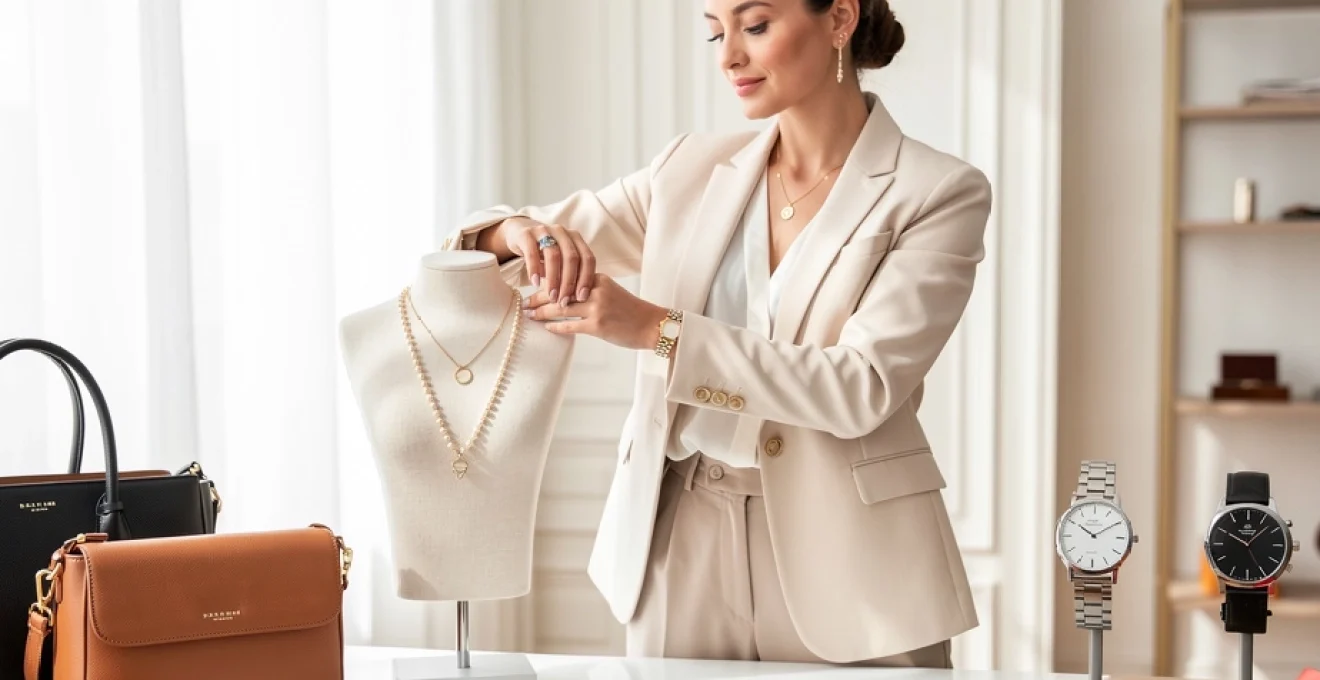
Building a versatile accessory collection transforms your wardrobe from functional to exceptional, creating endless styling possibilities with strategic investments. The modern approach to accessorising focuses on quality over quantity, selecting pieces that transcend seasonal trends whilst expressing personal style. Unlike fast fashion accessories that quickly lose their appeal, a thoughtfully curated collection becomes more valuable over time, offering superior cost-per-wear ratios and timeless elegance. This methodical approach to accessory acquisition ensures every purchase serves multiple styling purposes, maximising both wardrobe functionality and investment returns.
The foundation of successful accessory curation lies in understanding the balance between classic investment pieces, contemporary trends, and statement elements. Professional stylists recommend applying strategic frameworks that prioritise versatility without sacrificing individual expression, creating collections that evolve gracefully with changing lifestyle needs and fashion cycles.
Foundation pieces: essential capsule accessories for maximum versatility
The cornerstone of any sophisticated accessory collection begins with foundation pieces that seamlessly integrate across multiple outfit categories. These essential items form the backbone of your styling repertoire, providing consistent elegance whether you’re dressing for boardroom presentations or weekend brunches. Foundation accessories should demonstrate exceptional craftsmanship, neutral colour palettes, and timeless silhouettes that resist the ebb and flow of fashion trends.
Quality foundation pieces typically represent the largest financial investment in accessory curation, but their versatility justifies the expense through extensive wear opportunities. The key lies in selecting items that complement your existing wardrobe whilst offering expansion possibilities for future acquisitions. Consider your lifestyle patterns, professional requirements, and social activities when determining which foundation pieces deserve priority positioning in your collection strategy.
Classic leather handbags: structured totes and crossbody styles
Leather handbags serve as the most visible and functional foundation pieces in any accessory collection, requiring careful consideration of size, structure, and versatility. A well-constructed tote bag in black, brown, or navy leather provides professional polish whilst accommodating daily essentials, making it indispensable for career-focused individuals. The structured silhouette maintains its shape over time, ensuring your investment continues looking pristine years after purchase.
Crossbody styles offer hands-free convenience without sacrificing sophistication, particularly valuable for travel, social events, or active lifestyles. Premium leather crossbody bags in neutral tones transition effortlessly from day to evening wear, accommodating everything from casual jeans combinations to cocktail attire. The adjustable strap functionality allows customisation for different body types and styling preferences, maximising wearability across various occasions.
When selecting leather handbags, prioritise full-grain leather construction, reinforced stitching, and quality hardware that resists tarnishing. These details distinguish investment pieces from their mass-market counterparts, ensuring your handbags maintain their aesthetic appeal through years of regular use.
Timeless jewellery: diamond studs, pearl necklaces, and gold chains
Jewellery foundation pieces provide the finishing touches that elevate any ensemble from ordinary to extraordinary. Diamond stud earrings represent the ultimate versatile investment, complementing everything from business suits to evening gowns with understated elegance. The classic round brilliant cut in sizes ranging from 0.5 to 2 carats offers options for different budgets whilst maintaining timeless appeal.
Pearl necklaces bring sophisticated femininity to any outfit, with classic strand lengths offering distinct styling opportunities. An 18-inch princess length works beautifully with most necklines, whilst longer opera lengths provide layering possibilities and dramatic evening elegance. Japanese Akoya pearls offer superior lustre and surface quality, making them worthwhile investments for discerning collectors.
Gold chains provide the foundation for layering techniques and pendant displays, with different weights and link styles offering varied aesthetic impacts. A delicate 18-inch chain in 14k or 18k gold serves as the perfect base for pendant rotation, whilst heavier chain styles make compelling standalone statements. Consider both yellow and white gold options to complement different metallic preferences in your existing jewellery collection.
Premium silk scarves: square and rectangular formats for Multi-Styling
Square silk scarves (typically 70–90 cm) offer exceptional versatility, functioning as neckerchiefs, bag ties, hair bands, or even makeshift tops in resort contexts. Rectangular formats, such as long twillies and oblong scarves, excel for layering with outerwear, cinching waists in place of belts, or adding visual interest to minimalist dresses. Prioritise high-grade mulberry silk with hand-rolled hems and rich, saturated prints that align with your core wardrobe palette. By selecting designs in complementary neutrals with one or two accent colours, you ensure each silk scarf can be styled in multiple ways across seasons, dramatically increasing your cost-per-wear.
When building your first capsule of premium silk scarves, begin with one neutral-based print (think navy, camel, or black) and one bolder option featuring your signature accent colour. This combination supports both understated weekday styling and elevated evening looks. Over time, you can expand into themed prints, limited-edition artist collaborations, or heritage brand designs that add collectible value to your accessory collection.
Investment timepieces: cartier tank and rolex datejust selection criteria
For many collectors, a refined timepiece is the most significant accessory investment, combining functionality, craftsmanship, and enduring style. Two of the most iconic models for a versatile accessory collection are the Cartier Tank and the Rolex Datejust, both recognised for their ability to transition seamlessly from office attire to formal eveningwear. When evaluating these watches, pay attention to case size, metal type, bracelet versus strap options, and dial design, as each detail influences overall versatility.
The Cartier Tank, with its clean rectangular case and minimalist Roman numerals, pairs effortlessly with tailored suiting and refined separates. Opting for a medium case size in stainless steel or yellow gold ensures timeless appeal and comfortable daily wear. The Rolex Datejust offers a more robust aesthetic, with its signature fluted bezel, date window, and Oyster or Jubilee bracelet options. A 31–36 mm steel or two-tone configuration with a simple dial (in silver, champagne, or white) typically delivers the best long-term wearability and styling flexibility.
Beyond aesthetics, consider movement type, servicing history (for pre-owned models), and brand-authorised documentation. A well-maintained mechanical watch can last decades with regular servicing every five to ten years, effectively reducing its cost-per-wear over time. Because luxury timepieces often retain or increase in value when purchased wisely, they function as both style anchors and long-term assets within your accessory portfolio.
Neutral belt collection: reversible leather and chain belt essentials
A curated belt selection acts as the quiet workhorse of a versatile accessory collection, subtly refining proportions and adding polish to even the simplest outfits. At minimum, aim for two high-quality leather belts in black and brown or tan, with understated buckles in either gold or silver tone depending on your predominant jewellery metal. Reversible leather belts provide particular value, effectively doubling your styling options while occupying minimal wardrobe space.
For dresses, blazers, and evening tailoring, a sleek chain belt introduces a sophisticated focal point without overwhelming the silhouette. Fine, adjustable chains in gold or mixed metals work across casual denim, slip dresses, and structured suiting, making them ideal for capsule wardrobes and travel packing. Prioritise belts with high-grade leather, precise edge finishing, and solid hardware; these construction details prevent stretching, warping, and premature wear, ensuring your belts remain sharp for years.
When evaluating which belts to add first, review your most-worn trousers, jeans, and dresses. Do you mainly wear high-waisted silhouettes, wide-leg trousers, or fitted sheath dresses? Aligning belt width and buckle size with your go-to cuts ensures each piece integrates seamlessly, rather than languishing unused in your closet.
Strategic accessory curation using the 70-20-10 investment formula
Once your foundational pieces are in place, the next step is designing a sustainable strategy for expanding your accessory collection. The 70-20-10 investment formula provides a clear framework: 70% of your budget goes to classic investment pieces, 20% to thoughtful seasonal trends, and 10% to bold statement accessories. This structure helps you resist impulse purchases and maintain a cohesive aesthetic, even as fashion cycles evolve.
Think of this formula as your personal style “portfolio allocation”. Just as a diversified financial portfolio balances stability and growth, a well-structured accessory wardrobe blends timeless staples with carefully chosen trend-led elements and expressive pieces. Applying the 70-20-10 rule each season ensures that new purchases enhance your existing accessories, rather than competing with them or diluting your signature look.
70% classic investment pieces: hermès, chanel, and louis vuitton fundamentals
The majority of your accessory budget should centre on heritage brands and designs with proven longevity. Hermès, Chanel, and Louis Vuitton offer some of the most enduring silhouettes, known for their craftsmanship, resale value, and ability to coordinate across diverse wardrobes. Whilst not every collection will include these specific labels, studying their design principles—clean lines, functional structures, and elevated materials—can inform smarter investment decisions at any price point.
Iconic models such as the Hermès Kelly or Birkin, the Chanel Classic Flap, and the Louis Vuitton Speedy or Neverfull have demonstrated strong value retention over decades. If these pieces align with your lifestyle and budget, they can anchor your handbag rotation for years, reducing the temptation to constantly upgrade. For jewellery, consider classic fine pieces such as understated gold bangles, diamond tennis bracelets, or simple logo studs that work daily without feeling dated.
When allocating this 70%, focus on neutral colourways—black, beige, navy, and tan—plus one or two signature colours that reflect your personal palette. This ensures every high-investment item integrates with multiple outfits, driving down cost-per-wear and increasing styling options. Where budget is limited, pre-owned markets and reputable resellers can provide access to these fundamental pieces at more attainable price points, provided you pay close attention to authentication.
20% seasonal trend integration: contemporary designer collaborations
The remaining 20% of your accessory budget is reserved for measured experimentation with seasonal trends and contemporary designers. This category might include limited-edition collaborations, fresh colourways, or updated takes on classic silhouettes (such as chunky chain necklaces, sculptural earrings, or platform loafers). The goal is not to chase every micro-trend, but to selectively incorporate pieces that harmonise with your core wardrobe whilst reflecting the current fashion landscape.
Ask yourself: will this accessory still feel relevant in two to three years, even if the trend has softened? If the answer is yes, it likely deserves a place in your 20% allocation. Focus on items that refresh your existing outfits—such as a modern belt bag you can layer over a blazer, or bold-framed sunglasses that instantly modernise a classic trench coat. Mid-tier contemporary brands often excel in this space, offering strong design at a moderate investment level.
To avoid overextending this category, consider setting a seasonal budget and editing older trend-led pieces as you introduce new ones. This practice keeps your collection focused and prevents accessory clutter, ensuring each trending item earns its place through frequent wear.
10% statement pieces: avant-garde and experimental accessories
The final 10% of your accessory investment is dedicated to distinctive statement pieces that capture your personality and creative flair. These items might feature exaggerated proportions, unconventional materials, or bold colour contrasts—think sculptural cuffs, architectural heels, or oversized, art-inspired earrings. Whilst they may not be worn daily, they serve as visual exclamation marks that transform simple outfits into memorable looks.
Because statement accessories naturally draw attention, it is crucial that they align authentically with your style identity rather than feeling like costume. One helpful test is to imagine wearing the piece with a plain white shirt and denim; if it still feels like “you”, it is likely a strong contender. Prioritise quality construction even in conceptual designs, as poorly made statement pieces can quickly cheapen an otherwise sophisticated ensemble.
Over time, this 10% tier becomes a highly personal archive—perhaps including travel finds, artisanal creations, or limited-run designs from emerging brands. Carefully balancing these expressive elements with your classic investments prevents your overall collection from skewing too conservative or too trend-driven.
Cost-per-wear analysis for high-end accessory purchases
To evaluate whether a high-end accessory justifies its price, cost-per-wear analysis provides a simple yet powerful tool. The formula is straightforward: divide the total cost of the item by the estimated number of times you expect to wear it. For example, a £1,200 handbag carried three times a week for three years (around 468 wears) has a cost-per-wear of approximately £2.56—often less than lower-priced items worn only a handful of times.
When performing this analysis, be realistic about your lifestyle and existing habits. Will you truly wear a pair of 10 cm stilettos weekly, or are you more likely to reach for polished flats? Adjust your projections accordingly. Accessories that work across multiple seasons, dress codes, and colour palettes typically deliver the best cost-per-wear, even when the upfront cost feels significant.
Cost-per-wear also highlights the hidden expense of “bargain” purchases that rarely leave your wardrobe. A £60 trend-led bag worn twice effectively costs £30 per wear—substantially more than many luxury investments with high rotation. Using this metric as a filter before major purchases can help you prioritise pieces that will genuinely serve your long-term style goals.
Advanced styling techniques: maximising accessory functionality
After establishing a strong foundation and investment strategy, the next step is mastering advanced styling techniques that unlock the full potential of your accessories. Think of this as learning to play an instrument you already own: the more skilled you become, the more music you can create without adding extra pieces. By refining how you layer jewellery, manipulate scarves, and pair bags with outfits, you significantly expand your styling repertoire without constant purchasing.
These advanced methods also support more sustainable fashion habits. When you can reimagine an existing silk scarf as a belt, hair accessory, or bag handle wrap, you are effectively gaining multiple “new” items without increasing your wardrobe footprint. The goal is to transform each accessory from a single-purpose object into a multi-functional styling tool.
Layering methodology: necklace stacking and bracelet combinations
Effective jewellery layering hinges on proportion, texture, and focal points. For necklace stacking, start with a base chain at the collarbone (around 16–18 inches), add a slightly longer pendant necklace, and finish with a mid-chest chain or lariat. Varying chain thickness, link style, and pendant scale prevents the stack from appearing tangled or heavy, whilst maintaining a cohesive metallic tone keeps the look polished.
When layering bracelets, aim for a mix of rigid and flexible pieces—such as combining a structured cuff with delicate chains or tennis bracelets. To avoid visual clutter, identify one hero piece (perhaps a statement bangle or watch) and let the remaining elements support rather than compete. As a practical guideline, leave at least one wrist minimally adorned when wearing bold rings or heavily detailed clothing sleeves, maintaining overall balance.
If you are unsure whether a layered combination works, apply the “subtraction test”: remove one element and assess whether the look improves. Often, the most sophisticated stacks emerge from editing rather than adding, echoing the principle that restraint can be as impactful as abundance.
Scarf transformation: french knots, belt alternatives, and hair accessories
Premium silk scarves become exponentially more valuable when you master a few key tying techniques. The classic French knot—folding a square scarf into a triangle, rolling it, and tying it snugly at the front or side of the neck—instantly elevates basic knitwear, T-shirts, or tailored shirts. For a more relaxed effect, try a loose loop tie, allowing the ends to drape and elongate the torso, which is particularly flattering over blazers or trench coats.
Scarves also make elegant belt alternatives. Fold a larger square or oblong scarf into a slim band and thread it through belt loops, tying a soft knot or bow at the front or side. This approach adds colour and pattern to neutral dresses or trousers whilst remaining comfortable for travel or extended wear. Ensure the fabric is strong enough to withstand light tension and avoid delicate, loosely woven silks for this purpose.
In hair styling, narrow twillies or folded square scarves can be wrapped around ponytails, braided through plaits, or tied as headbands. These techniques introduce colour near the face, drawing attention upwards and complementing your chosen earrings or sunglasses. By rotating a small edit of scarves through neck, waist, hair, and bag-handle styling, you create the impression of multiple accessories from a single, well-chosen piece.
Bag-to-outfit ratio: proportional matching for different silhouettes
Choosing the right bag for an outfit is as much about proportion as it is about colour or brand. As a general rule, the more voluminous your clothing silhouette, the more structure your bag requires to maintain visual balance. For example, oversized coats, wide-leg trousers, and relaxed dresses pair best with structured top-handle bags or medium-sized crossbodies that provide a defined shape against the softness of the garments.
Conversely, sleek, fitted outfits often benefit from slightly softer or slouchier bags, such as refined hobos or pouch clutches, which introduce a touch of ease. Scale also matters: petite frames usually harmonise with small to medium bags, while taller individuals can carry larger totes without appearing overwhelmed. That said, deliberate contrasts—like a small evening bag with dramatic palazzo trousers—can be striking when executed thoughtfully.
Before finalising your bag choice, stand in front of a mirror and assess the overall silhouette. Does the bag visually “pull” the outfit down on one side, or does it integrate seamlessly? Treat your handbag as part of the outfit’s architecture rather than an afterthought, and your looks will instantly appear more considered.
Seasonal colour psychology: transitioning accessories through fashion cycles
Colour plays a powerful role in how your accessories influence both your mood and the perception of your outfits. Autumn and winter often favour deeper, richer hues—burgundy, forest green, chocolate, and navy—which can make leather bags, belts, and boots feel more substantial and grounding. Spring and summer, by contrast, invite lighter tones such as taupe, ivory, sand, and soft pastels, creating a sense of airiness and ease.
Instead of overhauling your accessories every season, focus on a transitional palette that bridges these shifts. For instance, a taupe or cognac handbag pairs just as well with winter camel coats as it does with summer linen dresses, offering strong year-round versatility. Smaller accessories like scarves, jewellery, and hair pieces can then introduce more overt seasonal accents—think coral or turquoise in summer, or jewel tones during the festive period.
Understanding basic colour psychology helps you curate more intentional combinations. Cooler tones (blues, greys, silvers) tend to project calm professionalism, making them ideal for corporate contexts, while warmer tones (gold, tan, rust) create a welcoming, approachable impression. By rotating colour accents strategically rather than reactively, you keep your accessory collection feeling current without constant expansion.
Quality assessment and authentication standards for designer accessories
As you progress into higher-value pieces, rigorous quality assessment becomes essential to protect your investment. For leather goods, inspect the grain consistency, stitching regularity, and edge finishing. Full-grain or top-grain leather typically offers superior durability and patina development compared with corrected or split leathers. Hardware should feel substantial, move smoothly (zips and clasps), and show no signs of flaking or uneven plating, which can indicate inferior manufacturing.
In jewellery, hallmarks and metal stamps (such as 925, 750, 18k) provide initial indicators of authenticity and metal purity, whilst gemstone quality can be evaluated using the “Four Cs” (cut, colour, clarity, and carat). Even for costume jewellery, examine weight, clasp mechanisms, and stone settings—well-made pieces will feel balanced and secure, with prongs and bezels neatly aligned. For silk scarves, look for hand-rolled, hand-stitched hems and rich, double-sided printing that suggests higher-quality production.
Authentication is especially critical when purchasing pre-owned designer accessories. Reputable resellers provide detailed photographs, serial numbers, certificates, and often independent authentication reports. Familiarise yourself with brand-specific markers—such as date codes, logo placement, font styles, and hallmark locations—for houses like Chanel, Louis Vuitton, and Hermès. When in doubt, consult specialist authentication services; the small additional fee is minor compared to the potential loss of investing in counterfeit goods.
Digital cataloguing systems for accessory collection management
As your accessory collection grows, digital organisation ensures you actually use what you own rather than defaulting to the same pieces repeatedly. A simple system might begin with photographing each item and storing images in a cloud-based folder structure by category (bags, jewellery, scarves, belts, watches). More advanced users can employ wardrobe management apps that allow you to tag items by colour, season, formality level, and cost, making it easy to filter and plan outfits.
Creating a digital catalogue also supports smarter purchasing decisions. Before adding a new item, you can quickly review similar pieces you already own, reducing the risk of duplication. Many style professionals plan weekly or travel outfits within these apps, assembling look “boards” that include accessories, which streamlines morning dressing and packing. Over time, usage tracking features—such as logging when an item is worn—help you calculate real-world cost-per-wear and identify underutilised pieces that may be candidates for consignment or resale.
For collectors of high-value accessories, digital records serve an additional purpose as documentation for insurance and valuation. Maintaining up-to-date photos, receipts, certificates, and serial numbers in a secure digital folder or app creates a comprehensive portfolio you can reference quickly if needed.
Long-term maintenance protocols for premium accessory preservation
Protecting your investment requires consistent care routines tailored to each accessory category. Leather bags and belts benefit from regular dusting, occasional conditioning with appropriate products, and storage in breathable dust bags away from direct sunlight. To maintain their shape, stuff handbags with acid-free tissue or soft fabric when not in use, and avoid hanging by straps for extended periods, which can cause stretching or warping.
Fine jewellery should be stored separately to prevent scratching, ideally in lined compartments or soft pouches. Periodic professional cleaning and inspection—especially for prong-set stones like diamonds—helps prevent loss and maintain brilliance. For watches, adhere to manufacturer-recommended servicing intervals, store mechanical pieces in watch boxes or winders if appropriate, and avoid extreme temperature changes or magnetic fields that can impact timekeeping.
Silk scarves and premium textiles require gentle handling: spot-clean minor marks promptly, follow dry-cleaning guidance where applicable, and store loosely rolled or flat to avoid permanent creases. Always keep accessories away from harsh chemicals, perfumes, and hairsprays, which can degrade metals, leathers, and fabrics over time. By adopting these simple but consistent maintenance protocols, you not only extend the functional life of your accessories but also preserve their aesthetic and resale value, ensuring your collection remains a long-term asset rather than a short-lived indulgence.