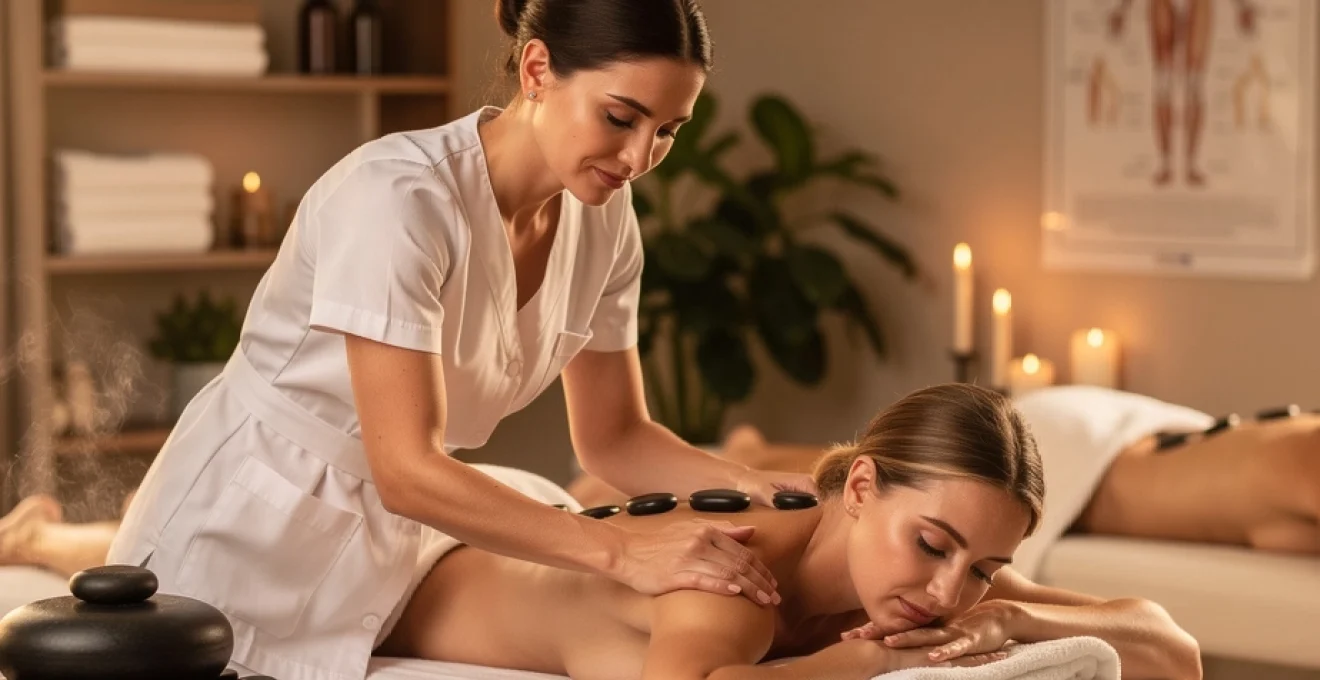
In our fast-paced modern world, the ancient art of massage therapy has evolved into a sophisticated healing modality that addresses both physical discomfort and mental stress. Professional massage therapy encompasses numerous techniques, each designed to target specific concerns whilst promoting overall wellness. From the gentle flowing strokes of Swedish massage to the targeted precision of neuromuscular therapy, these therapeutic approaches offer evidence-based solutions for pain relief, stress reduction, and enhanced quality of life. Understanding the various massage modalities available empowers you to make informed decisions about your wellness journey, ensuring you receive the most appropriate treatment for your individual needs.
Swedish massage techniques and therapeutic applications
Swedish massage represents the foundation of Western massage therapy, incorporating five fundamental techniques that work synergistically to promote relaxation and therapeutic healing. This comprehensive approach targets superficial muscle layers whilst stimulating circulation and lymphatic drainage throughout the body. The systematic application of these techniques creates a cascade of physiological responses that extend far beyond simple relaxation.
Effleurage strokes and lymphatic drainage mechanisms
Effleurage forms the cornerstone of Swedish massage, utilising long, gliding strokes that follow the direction of venous and lymphatic flow. These rhythmic movements, performed with varying pressure levels, stimulate the parasympathetic nervous system whilst encouraging the removal of metabolic waste products from tissues. The technique begins each massage session, warming the tissues and preparing them for deeper work. Research indicates that effleurage strokes can increase local blood flow by up to 40%, facilitating enhanced nutrient delivery to muscle fibres whilst promoting the elimination of inflammatory byproducts.
Petrissage kneading methods for deep tissue mobilisation
Petrissage encompasses kneading, rolling, and lifting techniques that target deeper muscle layers without the intensity associated with deep tissue massage. These manipulations create mechanical deformation of soft tissues, encouraging the breakdown of adhesions and improving tissue elasticity. The alternating compression and release patterns stimulate mechanoreceptors, which can effectively interrupt pain signals according to the gate control theory. Clinical studies demonstrate that petrissage techniques can increase muscle flexibility by approximately 25% when applied consistently over a treatment series.
Tapotement percussion techniques and circulatory stimulation
Tapotement involves rhythmic percussive movements including cupping, hacking, and tapping that invigorate the nervous system and enhance circulation. These stimulating techniques create vibrations that penetrate deeply into muscle tissue, promoting increased metabolic activity and improved oxygenation. The rapid succession of percussive strokes stimulates both superficial and deep sensory receptors, resulting in enhanced proprioception and muscle tone. When applied correctly, tapotement can increase local circulation by up to 60%, making it particularly beneficial for athletes and individuals with circulatory concerns.
Friction movements for myofascial release and adhesion breaking
Friction techniques employ deep, focused circular or cross-fibre movements that target specific areas of restriction or dysfunction. These precise manipulations generate controlled microtrauma that stimulates the remodelling of scar tissue and breaks down fascial adhesions. The localised heat generated through friction increases tissue temperature by 2-3 degrees Celsius, enhancing collagen extensibility and improving range of motion. Evidence suggests that friction techniques can reduce tissue restriction by up to 35% when combined with appropriate stretching protocols.
Deep tissue massage modalities and neuromuscular therapy
Deep tissue massage represents a more intensive therapeutic approach that targets chronic muscular tension and dysfunction through precise pressure application and specialised techniques. Unlike Swedish massage, deep tissue work focuses on reaching deeper muscle layers, fascia, and connective tissues to address long-standing patterns of tension and compensation. This modality requires advanced training and anatomical knowledge to ensure safe and effective treatment outcomes.
Trigger point release using ischemic compression protocols
Trigger point therapy utilises sustained pressure application to deactivate hyperirritable spots within muscle fibres that refer pain to distant locations. The ischemic compression protocol involves applying gradually increasing pressure to the trigger point until tissue barriers are encountered, then maintaining that pressure for 30-90 seconds. This
pressure temporarily restricts blood flow, creating a controlled ischemic state that is followed by reactive hyperaemia once the pressure is released. This physiological response helps to flush out irritating metabolites and reset the muscle spindle activity within the affected fibres. Clients typically experience a dull, achy sensation during the compression phase, followed by a noticeable reduction in referred pain and increased freedom of movement. When integrated into a comprehensive neuromuscular therapy plan, trigger point release can significantly decrease chronic pain intensity scores and improve functional mobility in conditions such as tension headaches, shoulder impingement, and low back pain.
Cross-fibre friction techniques for tendon rehabilitation
Cross-fibre friction, sometimes referred to as transverse friction massage, is particularly effective for addressing tendinopathies and ligamentous injuries. The therapist applies firm, small-amplitude strokes perpendicular to the orientation of the tendon or ligament fibres, mechanically disrupting disorganised collagen and promoting more functional tissue alignment. This controlled stimulus encourages localised inflammation in a therapeutic manner, stimulating fibroblast activity and accelerating the healing process. For individuals recovering from conditions such as tennis elbow or Achilles tendinitis, regular cross-fibre friction sessions can reduce pain, improve tensile strength, and restore load tolerance in the affected tissues.
During tendon rehabilitation, cross-fibre friction is often combined with progressive loading exercises and stretching to reinforce the newly remodelled collagen fibres. You might think of this approach as “combing out” a tangled rope so that each strand can bear weight more evenly. Clinical protocols typically recommend short applications of 5–10 minutes over the affected structure, carefully monitored to avoid excessive irritation. When performed by a skilled massage therapist with a solid understanding of tissue healing timelines, this technique can shorten recovery duration and reduce the likelihood of recurrent strain.
Myofascial decompression and connective tissue manipulation
Myofascial decompression focuses on releasing restrictions within the fascial network that surrounds and interconnects muscles, organs, and joints. Unlike purely compressive techniques, myofascial decompression often incorporates subtle traction and stretching of the connective tissue layers to restore optimal glide between structures. This may involve slow, sustained strokes, skin rolling, or the integration of negative pressure tools such as silicone cups to gently lift the fascia away from underlying tissues. The goal is to reduce fascial density and adhesions that can limit range of motion and contribute to chronic pain patterns.
From a functional perspective, healthy fascia behaves like a well-lubricated web, distributing mechanical forces evenly throughout the body. When restrictions develop—due to injury, poor posture, or repetitive strain—you may experience pulling sensations, stiffness, or diffuse aches that do not respond to traditional stretching alone. Myofascial decompression helps to “reset” this tension network, often leading to improved posture, smoother movement, and decreased discomfort during everyday activities. Evidence suggests that targeted connective tissue manipulation can enhance flexibility by up to 20% and improve overall movement efficiency, particularly when combined with corrective exercise and ergonomic adjustments.
Sustained pressure applications for chronic pain management
Sustained pressure techniques form a cornerstone of deep tissue massage for chronic pain management, particularly in conditions such as fibromyalgia, osteoarthritis-related muscle guarding, and postural strain syndromes. The therapist applies slow, steady pressure into areas of densified tissue or heightened tone, carefully monitoring the client’s feedback to remain within a tolerable discomfort threshold. This prolonged stimulus desensitises nociceptors, encourages muscle spindle relaxation, and promotes a shift from sympathetic “fight or flight” dominance to parasympathetic “rest and digest” activity. Over time, this can reduce central sensitisation and improve the body’s overall pain threshold.
For many clients, sustained pressure feels like gradually melting a stubborn knot of tension that has been lingering for months or even years. You may notice an initial increase in awareness of the area, followed by a progressive softening and sense of release. Regular sessions that incorporate sustained pressure, combined with home-based self-massage or the use of tools such as foam rollers, can lead to measurable reductions in pain intensity and improvements in activities of daily living. When integrated with other modalities—including stretching, strengthening, and mindfulness-based stress reduction—deep tissue massage becomes a powerful, non-pharmacological component of long-term pain management strategies.
Hot stone massage protocols and thermotherapy integration
Hot stone massage combines traditional manual techniques with the therapeutic application of heat to create a deeply relaxing and clinically effective treatment. Smooth basalt stones are typically heated to a controlled temperature range of 50–60°C (122–140°F) and strategically placed along the spine, in the palms, or on major muscle groups. The therapist may also use the stones as an extension of their hands, gliding them over oiled skin to deliver both mechanical and thermal stimuli. This integration of thermotherapy with massage enhances vasodilation, increases tissue pliability, and accelerates metabolic exchange within the treated regions.
From a physiological standpoint, the sustained warmth of hot stones reduces muscle spindle activity and decreases involuntary muscle guarding, allowing for deeper work with less perceived discomfort. Think of the heat as gently “pre-softening” tight muscles in the same way that warming clay makes it easier to mould. Clients often report a profound sense of comfort and tranquility during hot stone sessions, making this modality particularly suitable for those experiencing high stress, insomnia, or generalised tension. For individuals sensitive to intense deep tissue pressure, hot stone massage offers a gentler yet still highly effective option for achieving muscle relaxation and improved flexibility.
In clinical and spa settings alike, hot stone protocols are carefully tailored to individual needs and safety considerations. Therapists continuously assess skin temperature and client feedback to prevent burns or overheating, especially in areas with reduced sensation or compromised circulation. When used appropriately, hot stone therapy can assist in managing conditions such as chronic back pain, arthritic stiffness, and stress-related muscle tightness. Integrating this modality into your wellness routine once or twice a month can support overall relaxation, enhance sleep quality, and complement other forms of therapeutic bodywork.
Aromatherapy massage combinations with essential oil pharmacology
Aromatherapy massage integrates the tactile benefits of manual therapy with the psychophysiological effects of essential oils derived from plants, flowers, and resins. During a session, diluted essential oils are applied topically and inhaled through the respiratory system, allowing their active compounds to interact with both the skin and the limbic system in the brain. This dual action can modulate mood, influence autonomic nervous system activity, and support specific therapeutic goals such as relaxation, mental clarity, or immune support. For those seeking a holistic approach to stress relief, aromatherapy massage offers a multi-sensory experience that nurtures both body and mind.
The pharmacology of essential oils is complex, with each oil containing dozens of bioactive constituents such as terpenes, esters, and phenols. For example, Lavandula angustifolia (lavender) is rich in linalool and linalyl acetate, compounds associated with anxiolytic and sedative effects, making it ideal for promoting relaxation and improving sleep. Citrus oils like sweet orange and bergamot exhibit uplifting, mood-enhancing properties due to their limonene content, while eucalyptus and tea tree oils provide antimicrobial and decongestant benefits. By selecting specific oil blends, your therapist can customise the aromatherapy massage to align with your current needs—whether that is easing muscle soreness, calming anxiety, or boosting mental focus.
Safety and proper dilution are crucial when combining essential oils with massage therapy. Concentrations typically range between 1–3% in a carrier oil such as sweet almond, grapeseed, or jojoba to minimise the risk of skin irritation or sensitisation. Individuals with allergies, asthma, pregnancy, or certain medical conditions should always inform their therapist so that appropriate oils can be chosen or avoided. When implemented thoughtfully, aromatherapy massage can enhance the relaxing effects of Swedish techniques, deepen the restorative impact of hot stone treatments, and support overall wellbeing through a gentle yet scientifically grounded approach to plant-based therapy.
Physiological benefits and evidence-based therapeutic outcomes
Across different modalities—from Swedish and deep tissue massage to hot stone and aromatherapy—the body responds with a range of measurable physiological changes. These responses are not merely anecdotal; a growing body of scientific literature supports massage therapy as an evidence-based intervention for stress reduction, pain relief, and functional improvement. Understanding how massage influences hormones, neurotransmitters, and cardiovascular parameters can help you appreciate why regular sessions often lead to lasting benefits rather than just short-term relaxation. Let us explore some of the key mechanisms that underpin the therapeutic outcomes of relaxing massage techniques.
Cortisol reduction and stress response modulation
One of the most consistently observed effects of massage therapy is a reduction in cortisol, the body’s primary stress hormone. Elevated cortisol levels over time are associated with anxiety, sleep disturbances, impaired immunity, and even metabolic dysregulation. Research reviews have shown that a single 45–60-minute massage can lower circulating cortisol by approximately 20–30%, while also increasing markers of parasympathetic nervous system activity such as heart rate variability. This shift from a heightened “fight or flight” response to a more balanced “rest and digest” state is central to the feeling of deep relaxation many clients report.
By modulating the hypothalamic–pituitary–adrenal (HPA) axis, regular massage sessions can help buffer the impact of chronic psychosocial stressors you may encounter in everyday life. Imagine your stress response as a volume dial that has been turned up too high for too long; massage acts like a gentle hand lowering the dial to a more sustainable level. Over time, this can translate into improved resilience, better emotional regulation, and fewer stress-related physical symptoms such as tension headaches or digestive discomfort. For individuals with high-pressure jobs or caregiving responsibilities, scheduling consistent massage appointments can become a proactive strategy for maintaining mental wellbeing.
Endorphin release and natural pain relief mechanisms
Massage therapy also influences the body’s endogenous pain-relief systems, particularly through the release of endorphins and enkephalins. These naturally occurring opioids bind to receptors in the central and peripheral nervous system, reducing the perception of pain and generating a sense of wellbeing often described as a “massage high.” Studies involving both healthy participants and individuals with chronic pain conditions have documented increases in beta-endorphin levels following therapeutic massage sessions. This biochemical shift complements mechanical effects such as reduced muscle tension and improved joint mobility, creating a comprehensive approach to pain management.
In practical terms, this means that relaxing massage can serve as a valuable adjunct or alternative to pharmacological pain relief, especially for those wishing to minimise long-term medication use. Have you ever noticed how much easier it is to move and stretch after a good massage? That improved comfort is not only due to physical changes in the tissues but also to the brain’s recalibrated interpretation of pain signals. When combined with movement therapies, ergonomic education, and lifestyle modifications, massage-induced endorphin release contributes to a more sustainable, multidimensional pain management plan.
Blood pressure regulation and cardiovascular health improvements
Beyond its effects on hormones and neurotransmitters, massage therapy has demonstrated beneficial impacts on cardiovascular health markers, including blood pressure and heart rate. Systematic reviews report modest but clinically relevant reductions in both systolic and diastolic blood pressure following series of massage sessions, particularly with relaxing techniques such as Swedish and aromatherapy massage. These improvements are thought to arise from enhanced parasympathetic tone, reduced peripheral vascular resistance, and lowered circulating stress hormones. For individuals with prehypertension or mild hypertension, massage can therefore function as a supportive lifestyle intervention alongside diet, exercise, and medical guidance.
Moreover, the improved circulation promoted by techniques such as effleurage, tapotement, and hot stone thermotherapy supports more efficient oxygen and nutrient delivery throughout the body. You might liken this to optimising the flow in a complex plumbing system—when the “pipes” are less constricted and the pump is under less strain, the entire network functions more smoothly. While massage should never replace prescribed cardiovascular medications, it can enhance overall heart health, reduce feelings of palpitations linked to anxiety, and contribute to a general sense of vitality. Always consult your healthcare provider before initiating massage if you have advanced cardiovascular disease or unstable blood pressure.
Sleep quality enhancement through serotonin production
Quality sleep is fundamental to recovery, cognitive function, and emotional balance, yet many people struggle with insomnia or fragmented rest. Massage therapy can support better sleep by influencing serotonin production, a key neurotransmitter involved in regulating the sleep–wake cycle and serving as a precursor to melatonin. Studies have shown that regular massage increases serotonin levels, which in turn promotes deeper, more restorative sleep and reduces sleep onset latency. This is particularly beneficial for individuals whose insomnia is linked to heightened stress or chronic pain, as massage simultaneously addresses both physiological and psychological contributors to poor sleep.
If you have ever drifted into a light doze during a massage, you have already experienced how quickly the nervous system can transition into a more restful state. By promoting relaxation, reducing cortisol, and enhancing serotonin and endorphin activity, massage creates an internal environment conducive to better sleep long after the session has ended. Clients often report fewer nighttime awakenings, reduced muscle restlessness, and a greater sense of refreshment on waking when they incorporate regular relaxing massage into their routine. For many, booking an evening appointment becomes a natural way to “bridge” from a busy day into a calm, sleep-ready state.
Clinical contraindications and safety assessment protocols
While relaxing massage offers substantial benefits, it is essential to recognise that not every technique is suitable for every individual at all times. Clinical contraindications—situations where massage should be modified or avoided—help ensure client safety and optimise therapeutic outcomes. Absolute contraindications include acute infections with fever, uncontrolled hypertension, deep vein thrombosis, contagious skin conditions, and certain systemic illnesses in an unstable phase. In these cases, massage may exacerbate symptoms or dislodge clots, and medical clearance is necessary before proceeding. Local contraindications, such as recent fractures, open wounds, or acute inflammation, require therapists to avoid specific areas while still providing treatment elsewhere on the body.
A thorough safety assessment protocol begins with a detailed health history and pre-session consultation, during which you should disclose any diagnoses, medications, recent surgeries, or pregnancy. Therapists trained in clinical reasoning will then select appropriate modalities and pressure levels, adjusting positioning, duration, and techniques based on your unique presentation. For example, clients with osteoporosis may need gentler pressure and careful joint handling, while those with diabetes require attention to skin integrity and peripheral sensation. Asking questions and communicating your comfort levels during the session is not only welcome but encouraged; effective massage therapy is always a collaborative process.
In addition to medical considerations, ethical and professional standards play a vital role in safe practice. Licensed therapists adhere to strict hygiene protocols, informed consent procedures, and clear draping techniques to protect your privacy and wellbeing. If you are ever unsure whether massage is appropriate for your condition, consulting both your healthcare provider and a qualified massage therapist can help you make an informed decision. By respecting contraindications and following robust safety assessment protocols, we can ensure that relaxing massage remains a powerful, supportive tool on your wellness journey—enhancing comfort, reducing stress, and promoting long-term health in a responsible, client-centred manner.