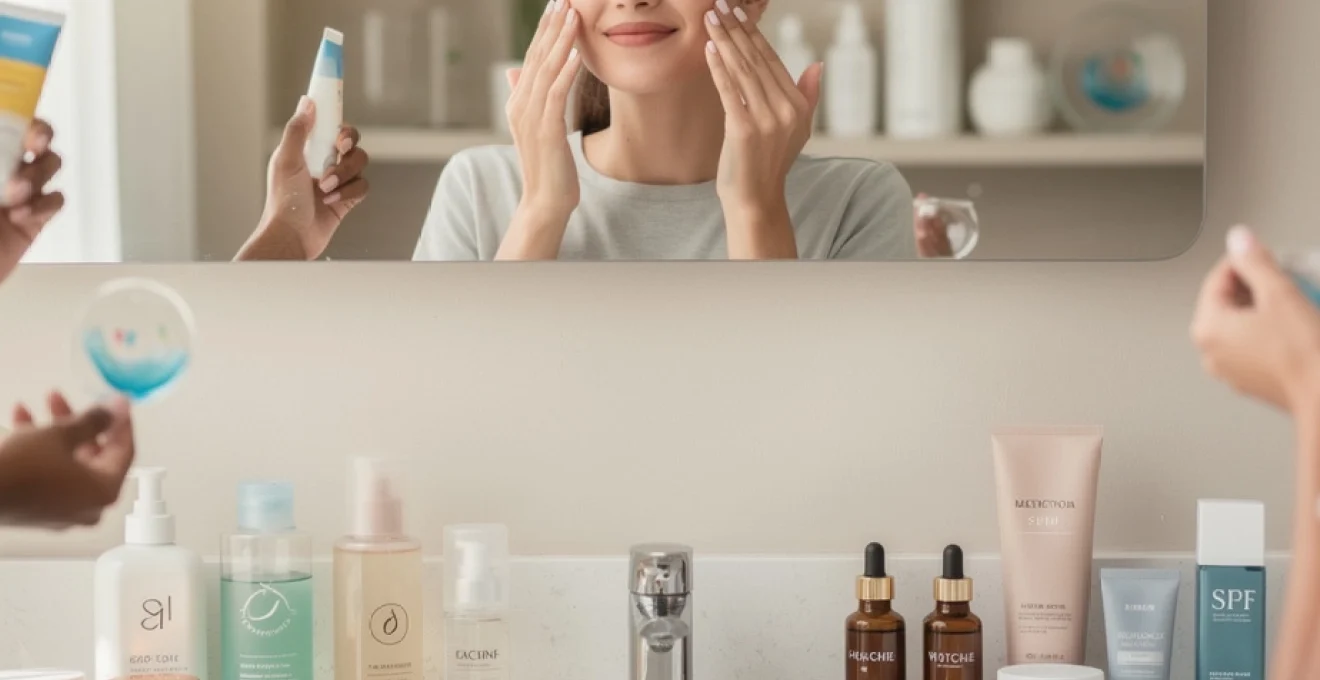
Establishing an effective daily body care routine requires understanding the fundamental science behind skin health and the specific products that support optimal barrier function. Unlike facial skincare, which has dominated beauty conversations for decades, body care has traditionally been relegated to basic cleansing and occasional moisturising. However, dermatological research increasingly demonstrates that the skin covering 95% of your body deserves the same scientific approach as your face.
Your body’s skin faces unique challenges including clothing friction, environmental exposure, and varied thickness across different regions. The epidermis on your shins differs dramatically from the delicate skin on your décolletage, yet most people apply identical products across all areas. This comprehensive approach to daily body care addresses these nuances while establishing protocols that enhance skin health, prevent premature ageing, and maintain optimal hydration levels throughout the year.
Essential cleansing products for daily skin barrier maintenance
The foundation of effective body care begins with proper cleansing that removes impurities without compromising the skin’s natural protective barrier. Your skin maintains a slightly acidic pH of approximately 5.5, which creates an environment hostile to harmful bacteria while supporting beneficial microorganisms. Daily cleansing products must respect this delicate balance while effectively removing accumulated sebum, dead skin cells, environmental pollutants, and product residues.
Ph-balanced facial cleansers: cetaphil gentle skin cleanser vs micellar water technology
Traditional soap-based cleansers typically register pH levels between 9 and 10, significantly disrupting your skin’s natural acid mantle and potentially leading to irritation, dryness, and compromised barrier function. pH-balanced cleansers maintain the skin’s optimal environment while providing thorough cleansing action. Cetaphil Gentle Skin Cleanser exemplifies this approach with its soap-free formulation that removes impurities without stripping essential lipids.
Micellar water technology represents an innovative alternative, utilising microscopic oil molecules suspended in soft water to attract and lift away dirt and makeup. These micelles act like magnets for impurities while leaving beneficial moisture intact. For daily body cleansing, micellar formulations work particularly well for sensitive areas like the neck and décolletage, where traditional cleansers might prove too harsh.
Body wash formulations: sodium laureth Sulphate-Free options and ceramide integration
Sodium Laureth Sulphate (SLES) and Sodium Lauryl Sulphate (SLS) have dominated body wash formulations for decades due to their effective cleansing and foaming properties. However, these surfactants can be overly aggressive, particularly for individuals with sensitive skin or compromised barrier function. Modern sulphate-free alternatives like Cocamidopropyl Betaine and Decyl Glucoside provide gentle yet effective cleansing without the harsh stripping action associated with traditional sulphates.
Ceramide integration represents a significant advancement in body cleansing technology. These naturally occurring lipids comprise approximately 50% of your skin’s barrier lipids, making them essential for maintaining healthy barrier function. Body washes containing ceramides help replenish these crucial components during the cleansing process, essentially rebuilding the barrier while removing impurities. Clinical studies demonstrate that ceramide-enriched cleansers can improve skin hydration levels by up to 28% compared to conventional formulations.
Exfoliating cleansers: alpha hydroxy acid concentrations and beta hydroxy acid applications
Chemical exfoliation through Alpha Hydroxy Acids (AHAs) and Beta Hydroxy Acids (BHAs) offers superior results compared to physical scrubbing methods. AHAs, including glycolic acid and lactic acid, work by dissolving the bonds between dead skin cells, promoting natural cellular turnover. For daily body use, concentrations between 2-5% provide effective exfoliation without excessive irritation.
Beta Hydroxy Acid, primarily salicylic acid, penetrates oil-soluble pathways to clear congested pores and reduce inflammation. This makes BHA particularly valuable
for managing body acne, congested pores on the back and chest, and rough, bumpy textures such as keratosis pilaris. Daily use of low-strength salicylic acid (around 0.5–2%) in a body wash or targeted cleanser can help prevent breakouts without over-drying the skin. If you are new to chemical exfoliants, start with three times per week and gradually increase frequency as your skin tolerance improves.
When integrating exfoliating cleansers into a daily body care routine, it is essential to monitor for signs of over-exfoliation such as tightness, increased sensitivity, or flaking. Remember that your skin barrier acts like a brick wall: AHAs and BHAs loosen the “mortar” between dead cells, so you do not want to strip away too many layers at once. Pairing exfoliating cleansers with barrier-supportive moisturisers rich in ceramides, cholesterol, and fatty acids helps maintain resilience and prevent irritation.
Oil cleansing method: double cleansing protocol with jojoba oil and squalane
The oil cleansing method leverages the principle that “like dissolves like”: gentle plant-derived oils can effectively break down sebum, sunscreen, and long-wear products that water-based cleansers may miss. Jojoba oil, which closely mimics the composition of human sebum, is particularly suitable for facial and body oil cleansing because it is non-comedogenic and well tolerated by most skin types. Squalane, a stable derivative of squalene, provides lightweight emollience without leaving a heavy residue, making it ideal for areas prone to congestion such as the back, chest, and shoulders.
A double cleansing protocol typically involves applying a dry oil cleanser (jojoba or squalane) to dry skin, massaging for 60–90 seconds to dissolve oil-soluble impurities, then emulsifying with a small amount of lukewarm water before rinsing. This is followed by a gentle pH-balanced water-based cleanser to remove any remaining residue while respecting the skin barrier. You might reserve full double cleansing for evenings when you have worn sunscreen and occlusive products on the body, such as after beach days or intense workouts, while using a single gentle cleanse in the morning.
For daily body care, oil cleansing is particularly helpful on areas with stubborn sunscreen build-up or frequent friction, for example the upper back under sports bras or the thighs where chafing occurs. If you have acne-prone skin, choose non-fragrant oils and avoid heavy blends rich in cocoa butter or coconut oil, which may clog pores for some individuals. As with any new technique, patch test first and introduce oil cleansing gradually, paying attention to how your skin responds over two to four weeks.
Targeted moisturising systems for different skin types
After cleansing, daily body care moves into targeted moisturising systems that address your unique skin type and concerns. Hydration is not just about feeling soft immediately after a shower; it is about supporting the skin barrier over 24 hours, reducing transepidermal water loss, and supplying actives that improve texture and tone over time. Whether your skin is dry, oily, combination, or sensitive, you can build a body care routine that layers humectants, emollients, and occlusives in the right balance.
Think of hydration as a three-part system: humectants draw water into the skin, emollients smooth and condition, and occlusives seal everything in. The exact ratio that works best for you will depend on your climate, lifestyle, and how reactive your skin is. Below, we break down key daily-use categories—hyaluronic acid serums, occlusive moisturisers, lightweight gels, and anti-ageing creams—so you can select the most appropriate body care products for everyday use.
Hyaluronic acid serums: molecular weight variations and sodium hyaluronate benefits
Hyaluronic acid (HA) is a powerhouse humectant that can bind up to 1,000 times its weight in water, making it a cornerstone of many modern body care products. However, not all HA is identical: low, medium, and high molecular weight fractions behave differently in the skin. High molecular weight HA sits closer to the surface, providing immediate plumpness and a “dewy” feel, while low molecular weight forms penetrate more deeply, supporting elasticity and fine line reduction over time.
Sodium hyaluronate—the salt form of HA—is smaller and more stable, allowing for better penetration and improved shelf-life in body serums and lotions. Many evidence-based formulations now use a blend of molecular weights plus sodium hyaluronate to create multi-level hydration throughout the epidermis. For daily body care, applying a thin layer of HA serum to slightly damp skin after showering can significantly increase the effectiveness of any moisturiser you apply on top.
If you live in a very dry climate, one caveat is worth noting: humectants like HA can pull water from deeper skin layers if there is not enough ambient humidity. To prevent this, always pair HA-based products with a cream or lotion that contains emollients and occlusives. You can think of HA as the sponge that attracts water, while your moisturiser is the protective cover that stops that water from evaporating into the air.
Occlusive moisturisers: petrolatum-based products vs plant-derived emollients
Occlusive moisturisers form a protective film on the skin’s surface, reducing water loss and supporting barrier repair. Petrolatum, the active ingredient in many classic ointments, remains the gold standard occlusive, with studies showing up to 99% reduction in transepidermal water loss when applied to compromised skin. For extremely dry areas such as heels, elbows, and shins, a thin nightly layer of petrolatum-based ointment can dramatically improve smoothness within days.
However, some people prefer plant-derived alternatives for daily body care, especially on larger surface areas. Ingredients like shea butter, cocoa butter, jojoba oil, and squalane provide emollient and mild occlusive properties while delivering beneficial fatty acids and antioxidants. While they may not seal in moisture as aggressively as petrolatum, they often feel more elegant on the skin, absorb more quickly, and pair well with lightweight clothing without leaving residue.
A practical strategy is to reserve petrolatum-based products for spot-treating the driest or most compromised areas—think ankles in winter or hands after frequent washing—while using plant-based butters and oils as your primary daily body moisturiser. If you have acne-prone or easily congested skin, apply heavier occlusives only to areas that rarely break out and choose non-comedogenic plant oils for zones like the chest and back.
Lightweight hydration: gel-based formulas with niacinamide and panthenol
Not everyone enjoys rich creams on the body, particularly in hot or humid climates or if you are prone to body breakouts. Gel-based body moisturisers offer an excellent alternative, delivering fast-absorbing hydration without a greasy finish. Many of these modern formulations harness niacinamide (vitamin B3) and panthenol (provitamin B5) to support the skin barrier while calming redness and irritation.
Niacinamide is one of the most versatile ingredients in body care: it can help regulate sebum production, improve uneven tone, and strengthen the skin’s protective barrier. Clinical studies suggest that concentrations of 2–5% are effective for daily use on both face and body. Panthenol, meanwhile, acts as a humectant and soothing agent, making it ideal for post-shave care, after-sun recovery, and daily use on sensitised areas such as the neck and inner thighs.
If you dislike the feeling of lotion under clothing or struggle to maintain consistency with richer products, a gel-cream might be your ideal daily moisturiser. Apply it within three minutes of stepping out of the shower, when your skin is still slightly damp, to maximise water retention. You can always “boost” specific dry patches with a richer cream or ointment, layering the lighter gel underneath for added hydration.
Anti-ageing moisturisers: retinol integration and peptide complex applications
While most people reserve anti-ageing actives like retinol for facial care, dermatologists increasingly recommend extending these ingredients to high-visibility body areas such as the neck, décolletage, hands, and forearms. Retinol, a vitamin A derivative, stimulates collagen production and accelerates cell turnover, improving fine lines, crepiness, and uneven tone over time. On the body, lower concentrations (0.1–0.3%) used consistently often deliver better tolerance and long-term results than aggressive high-dose regimens.
Peptide complexes, including signal peptides and copper peptides, provide another science-backed route to firmer, smoother skin. These short chains of amino acids act as messengers, encouraging the skin to produce more collagen, elastin, and other structural proteins. Many advanced body creams now combine gentle retinoids with multiple peptides to create a comprehensive anti-ageing body moisturiser that can be used daily on targeted areas.
Because both retinol and certain peptides can increase photosensitivity or interact with other actives, night-time application is usually the safest approach for body use. Start by applying a pea-sized amount to each target area (for instance, the back of each hand or the neck) two to three times per week, gradually increasing frequency as your skin adapts. Always pair retinol-based body products with daily broad-spectrum SPF on exposed areas to maintain results and prevent further photodamage.
Sun protection and photodamage prevention strategies
No daily body care routine is complete without a robust approach to sun protection. UV radiation is responsible for up to 80% of visible skin ageing, including hyperpigmentation, loss of elasticity, and textural changes, and it is a key risk factor for skin cancer. While many people are diligent about facial SPF, the neck, chest, arms, and hands are frequently neglected, even though they receive substantial incidental exposure during commuting, outdoor exercise, and daily errands.
Effective photodamage prevention combines broad-spectrum sunscreen, protective clothing, and antioxidant support. The goal is not only to prevent sunburn, but also to limit the low-grade, cumulative damage that occurs even on cloudy days or through glass. In the sections below, we examine mineral and chemical filters, as well as antioxidant-enhanced formulations, to help you choose the best daily body sunscreens for long-term skin health.
Broad-spectrum SPF selection: zinc oxide vs titanium dioxide mineral filters
Mineral (or physical) sunscreens rely primarily on zinc oxide and titanium dioxide to reflect and scatter UV radiation away from the skin. These ingredients provide immediate protection upon application and are often preferred by individuals with sensitive or reactive skin, including those prone to rosacea or eczema. Zinc oxide offers more complete UVA coverage than titanium dioxide, which makes it especially valuable for anti-ageing body care and for preventing hyperpigmentation.
One common concern with mineral sunscreens is the visible white cast they can leave, particularly on medium to deep skin tones. Formulators have addressed this with micronised or tinted mineral products that blend more seamlessly, though you may need to sample a few options to find the most cosmetically elegant finish. For daily use on the body, lotions and sprays containing 15–25% zinc oxide can offer robust broad-spectrum protection, especially when applied generously and reapplied every two hours during prolonged outdoor exposure.
If you spend much of your day indoors but near windows, a light mineral body SPF on exposed areas such as the forearms, neck, and hands can significantly slow cumulative photodamage. Remember that mineral filters can be slightly more resistant to sweat and water but should still be reapplied after swimming, towel drying, or heavy perspiration. As a rule of thumb, adults require approximately 30–40 ml (about two tablespoons) of sunscreen to adequately cover the entire body.
Chemical sunscreen actives: avobenzone stability and octinoxate alternatives
Chemical sunscreens use organic compounds such as avobenzone, octisalate, and octocrylene to absorb UV energy and convert it into a small amount of heat. These formulas tend to be more lightweight, transparent, and cosmetically elegant, which is why many people find them easier to apply consistently on the body. Avobenzone is the most widely used UVA filter in chemical sunscreens, but it can be unstable when exposed to light unless stabilised by other ingredients like octocrylene or encapsulation technologies.
Concerns about certain filters, such as octinoxate and oxybenzone, have prompted a shift towards alternative actives and “reef-conscious” formulations in some regions. New-generation filters such as Tinosorb S, Tinosorb M, and Uvinul A Plus offer excellent UVA and UVB coverage with greater photostability, though their availability may vary by market due to regulatory differences. When selecting a chemical body sunscreen, look for clear labelling of broad-spectrum protection, water resistance (if relevant to your activities), and an SPF of at least 30 for everyday use.
If you have sensitive skin or a history of stinging with chemical sunscreens, patch test new products on a small area such as the inner forearm before applying them widely. You may also find hybrid formulas—combining low levels of mineral filters with modern chemical filters—provide an ideal balance of comfort and protection. Ultimately, the best sunscreen is the one you enjoy using enough to apply generously and reapply as directed.
Daily UV defence: antioxidant-enhanced formulations with vitamin C and E
While SPF is your primary shield against UV damage, antioxidants act as a secondary defence line, neutralising free radicals generated by sunlight, pollution, and blue light exposure. Body sunscreens enriched with vitamin C, vitamin E, green tea extract, or ferulic acid can provide additional photoprotection and support long-term skin health. Studies have shown that combining SPF with topical antioxidants can reduce oxidative stress markers more effectively than sunscreen alone.
Some people prefer to apply a separate antioxidant body serum or lotion under their sunscreen, especially on high-exposure areas such as the chest and shoulders. In this case, allow the antioxidant product to absorb fully before layering SPF on top. Think of it as setting up a two-layer security system for your skin: antioxidants handle the free radicals that slip past your sunscreen, while the SPF reduces the initial UV impact.
To maintain simplicity in your daily body care routine, you might choose a body moisturiser that already incorporates both antioxidants and SPF for morning use on exposed areas. In the evening, you can then focus on barrier repair and anti-ageing actives without the need for sun protection. Whatever configuration you choose, consistency is key—occasional use will not provide the same visible benefits as making antioxidant and SPF application a non-negotiable part of your morning ritual.
Specialised treatment products for common skin concerns
Beyond cleansing, moisturising, and sun protection, many of us have specific body skin concerns that benefit from targeted treatments. These may include keratosis pilaris (“chicken skin”) on the arms and thighs, body acne on the back and chest, hyperpigmentation from past breakouts, or crepey skin on the knees and upper arms. Rather than overcomplicating your routine, the goal is to integrate one or two focused products that address your primary issues while still respecting the skin barrier.
For texture irregularities such as keratosis pilaris, formulations containing lactic acid, urea (around 10–20%), or gentle retinoids can help dissolve keratin plugs and smooth rough patches. Body acne responds well to leave-on products with salicylic acid, benzoyl peroxide, or azelaic acid, used in conjunction with non-comedogenic moisturisers to avoid over-drying. If hyperpigmentation is a concern, look for body serums featuring niacinamide, tranexamic acid, or stabilised vitamin C applied consistently to affected areas over several months.
Age-related concerns—like laxity and crepiness on the neck, arms, and hands—often require a combination of strategies: peptide-rich creams to support collagen, retinoids to improve texture, and diligent SPF to prevent further breakdown. It can be helpful to think in terms of “treatment zones”: instead of trying to treat the entire body at once, select one or two areas (for example, the neck and hands) and commit to daily application of your targeted product there. This focused approach maximises your chances of seeing measurable improvement without overwhelming your routine.
Application techniques and product layering protocols
Even the most sophisticated formulations underperform if applied incorrectly or in the wrong order. When it comes to daily body care, simple adjustments in technique can significantly enhance both results and product economy. As a general rule, you should apply products from the lightest, water-based textures to the richest, most occlusive formulations, allowing each layer a brief moment to absorb before moving to the next.
Immediately after showering—when your skin is still slightly damp—is the ideal time to begin layering. Start with any water-based treatments such as hydrating body serums or chemical exfoliants, then follow with gel-creams or lotions, and finish with heavier creams or ointments on drier zones. If you are incorporating body oils, you can either apply them on damp skin before lotion (to add slip and nourishment) or after lotion as a sealing step, depending on your preference and the product’s texture.
Application technique also matters for circulation and lymphatic support. Using long, upward strokes along the limbs toward the heart can help encourage lymphatic drainage, while circular motions around joints such as knees and elbows promote absorption into thicker skin. For targeted treatments like retinol body lotions or pigment-correcting serums, apply a thin, even layer to clean, dry skin and avoid mixing them in the palm with other products, which can dilute their effectiveness.
Ingredient compatibility and contraindications in daily routines
With so many active ingredients now available in body care products, understanding compatibility and potential contraindications is crucial to maintaining a healthy skin barrier. Certain combinations—such as strong acids with retinoids, or multiple exfoliants used simultaneously—can increase the risk of irritation, redness, and barrier disruption. The principle of “do no harm” applies: it is better to use a few well-chosen actives consistently than to layer everything at once and overwhelm the skin.
As a general guideline, avoid using high-strength acids (AHAs or BHAs above 5–10%) on the same areas and nights as retinoid-based body products, especially if you have sensitive skin. Instead, you can alternate: for example, apply your exfoliating body lotion two evenings per week and your retinol body cream on two different evenings, with the remaining nights reserved for simple barrier-repair moisturisers. Similarly, be cautious when combining multiple potentially drying ingredients such as benzoyl peroxide, alcohol-heavy toners, and frequent hot showers.
Some ingredients pair particularly well and can safely be used together daily. Niacinamide, panthenol, ceramides, and most peptides play nicely with almost all actives and can even reduce irritation from stronger agents like retinoids and exfoliating acids. If you are ever unsure about a specific combination, introduce one new product at a time and observe your skin over two to three weeks before adding another. This slow, methodical approach allows you to build a scientifically sound, personalised body care routine that supports long-term skin health rather than chasing quick fixes.