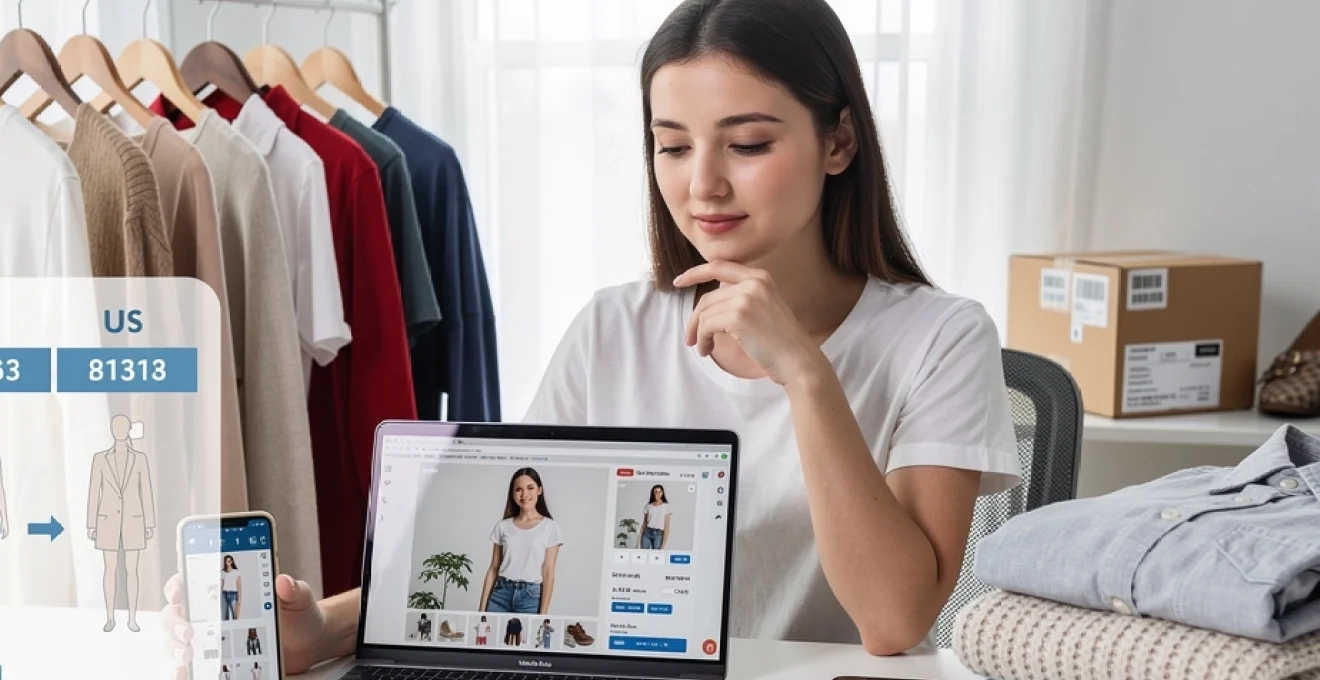
The digital transformation of retail has revolutionised how consumers approach fashion purchases, with online clothing sales representing over 35% of total apparel transactions in the UK alone. However, this convenience comes with unique challenges that require careful consideration before making a purchase. Unlike traditional brick-and-mortar shopping, online apparel buying demands a more analytical approach to ensure you receive garments that meet your expectations in terms of fit, quality, and value.
Understanding the intricacies of online fashion retail can save you from costly mistakes and disappointing purchases. From sizing inconsistencies across international brands to fabric composition variations that affect durability and comfort, numerous factors influence the success of your online shopping experience. The key lies in developing a systematic approach that evaluates every aspect of the potential purchase before clicking that final checkout button.
Size chart analysis and international sizing standards
Navigating the complex world of international sizing standards represents one of the most challenging aspects of online clothing purchases. The absence of standardised measurements across different countries and brands creates a labyrinthine system that requires careful analysis and understanding. This complexity stems from historical differences in garment manufacturing traditions, body measurement methodologies, and cultural preferences for fit across various regions.
UK vs EU vs US sizing conversion tables
British sizing typically runs smaller than American equivalents, with a UK size 12 generally corresponding to a US size 8 and an EU size 40. However, these conversions serve merely as rough guidelines rather than absolute rules. The reality of international sizing proves far more nuanced, with variations occurring even within individual brands depending on the specific garment type and target demographic.
European sizing tends to follow a more mathematical approach, using actual body measurements in centimetres as the foundation for size designations. This system theoretically provides greater accuracy, yet practical application often reveals discrepancies between stated measurements and actual garment dimensions. American sizing, conversely, relies heavily on standardised fit models that may not align with diverse body types, leading to significant variations in how different brands interpret the same numerical size.
Brand-specific fit variations: ASOS, next, and zara measurements
Major retailers like ASOS, Next, and Zara each maintain distinct sizing philosophies that reflect their target markets and design aesthetics. ASOS, positioning itself as a fashion-forward online retailer, often employs contemporary fit models that lean towards slimmer silhouettes. Their sizing charts frequently indicate measurements that accommodate athletic or naturally lean body types, which can result in garments feeling tighter than expected for those accustomed to traditional high street sizing.
Next maintains a more conservative approach to sizing, generally aligning with traditional British measurements while incorporating slight adjustments for contemporary fashion trends. Their garments typically provide a more relaxed fit compared to ASOS, making them suitable for a broader range of body types. This consistency has earned Next a reputation for reliable sizing, though customers should still consult specific measurement charts for each item category.
Zara’s Spanish heritage influences its sizing approach, with measurements that often reflect European body proportions and fashion preferences. The brand frequently cuts garments with a more tailored silhouette, particularly in their blazers and structured pieces. Understanding these brand-specific characteristics becomes crucial when building a diverse wardrobe from multiple retailers.
Vanity sizing impact on online garment selection
Vanity sizing, the practice of labelling garments with smaller size numbers than their actual measurements suggest, has become increasingly prevalent across the fashion industry. This marketing strategy aims to flatter customers by making them feel as though they wear smaller sizes, but it significantly complicates online shopping decisions. The psychological appeal of purchasing a smaller size often conflicts with the practical need for proper fit and comfort.
Understanding how vanity sizing affects your online purchases requires developing awareness of your actual body measurements rather than relying solely on traditional size labels. Many premium brands have adopted more aggressive vanity sizing practices, with some garments measuring up to two sizes larger than their labels indicate. This trend particularly affects women’s clothing, where size inflation has become more pronounced over the past two decades.
Body measurement techniques for accurate online fitting
Achieving accurate body measurements requires proper technique and appropriate tools to ensure online purchases align
Achieving accurate body measurements requires proper technique and appropriate tools to ensure online purchases align with your expectations. Ideally, you should use a soft measuring tape, stand in front of a mirror, and wear light, close-fitting clothing. Key measurements for buying clothes online include bust or chest, waist, hips, inseam, and shoulder width, with additional measurements like sleeve length and rise proving useful for tailored pieces. When measuring, keep the tape snug but not tight, and record each measurement in both centimetres and inches to match international size charts. By maintaining a written record of your current measurements and updating them every few months, you create a reliable reference that simplifies future online clothing purchases.
For tops, measure the fullest part of your bust or chest while keeping the tape parallel to the floor, and note your natural waist at the narrowest point above your hips. Hip measurements should be taken at the widest part of your hips and bottom, which is essential when choosing online jeans, skirts, or fitted dresses. For trousers, measure the inseam from the crotch to the ankle bone, using a well-fitting pair of trousers as a guide if that feels easier. These systematic measurement techniques transform what can feel like guesswork into a more data-driven process, significantly increasing the chances that your online garments will fit comfortably on the first try.
Fabric composition assessment and care requirements
While size determines how a garment fits, fabric composition largely dictates how it feels, drapes, and ages over time. Two jumpers in the same size can behave very differently depending on whether they are made from cotton, wool, or acrylic blends. Understanding textile fibres and care requirements is crucial before buying clothes online, especially when you cannot physically touch the material. In many cases, fabric choice will have a bigger impact on long-term satisfaction than the style itself, influencing comfort, breathability, and maintenance costs.
Online retailers increasingly provide detailed fabric breakdowns, often listing percentages of each fibre in a blend. When you shop for clothes online, treat this information as non‑negotiable: if a product description omits composition details, that is usually a warning sign. By decoding these labels, you can anticipate how an item will behave after washing, whether it will wrinkle easily, and how suitable it is for different climates. A more analytical approach to fibre content helps you select pieces that not only look good on-screen but also perform well in daily life.
Natural fibre properties: cotton, linen, and wool shrinkage rates
Natural fibres like cotton, linen, and wool remain popular in online clothing due to their comfort and breathability, but they each come with specific care challenges. Cotton, particularly when untreated, is prone to shrinkage of 3–5% during the first few washes, and sometimes up to 10% for loosely woven or low‑quality fabrics. Linen, valued for its cool, airy feel, can shrink at similar rates, especially if washed at high temperatures or tumble-dried aggressively. Wool behaves differently again, with some untreated wool garments shrinking dramatically and felting if exposed to heat and agitation.
When evaluating natural fibres before buying clothes online, pay close attention to notes such as “pre‑shrunk cotton,” “sanforised,” or “machine-washable wool.” These indicators suggest that the fabric has undergone treatments to reduce shrinkage and improve durability, which is particularly important for wardrobe staples like shirts, knitwear, and jeans. You should also factor potential shrinkage into your size choice; for example, opting for a slightly looser fit in 100% cotton garments that you plan to machine wash regularly. By anticipating how natural fibres may change after laundering, you avoid the common disappointment of a once‑perfect garment becoming too tight or misshapen.
Synthetic blend performance: polyester, elastane, and viscose durability
Synthetic and semi-synthetic fibres like polyester, elastane, and viscose dominate many online clothing collections because they offer stretch, resilience, and cost efficiency. Polyester is known for its durability, wrinkle resistance, and colour retention, making it a frequent choice for online dresses and tops that need to survive frequent wear with minimal ironing. Elastane (also called spandex or Lycra) is typically blended in small percentages—usually 2–8%—to provide stretch and recovery, which is critical for skinny jeans, activewear, and bodycon styles. Viscose, although often grouped with synthetics, is a regenerated cellulose fibre that behaves more like a delicate natural fabric, offering fluid drape but demanding careful handling.
When buying clothes online with synthetic blends, the fibre percentages can tell you a lot about performance and durability. A high polyester content often means a garment will keep its shape but may feel less breathable, which matters if you live in a warm climate or have sensitive skin. Items with elastane offer more forgiving fits, but over time, poor‑quality stretch fibres can bag out at the knees or lose elasticity in waistbands. Viscose pieces look luxurious in product photos due to their smooth drape, yet they may shrink or distort if washed incorrectly, so always check whether they are labelled as machine washable or dry clean only.
Textile care label interpretation and maintenance costs
Beyond fibre composition, textile care labels reveal how much time and money you will spend maintaining a garment. A dress that looks like an everyday piece but requires professional dry cleaning will significantly increase its total cost of ownership. Before completing an online clothing purchase, always scan the description for phrases such as “dry clean only,” “hand wash cold,” or “machine wash at 30°C.” These instructions not only protect your garments but also help you decide whether an item fits realistically into your lifestyle.
Understanding basic care symbols can also prevent accidental damage. The washtub icon indicates washing instructions, with numbers referring to maximum temperatures, while triangles relate to bleaching, squares to drying, and circles to professional cleaning. If you know you tend to wash everything together on a quick cycle, consistently choosing low‑maintenance fabrics will save you money and stress over time. Thinking about care requirements in advance means you invest in clothes you will actually wear, rather than pieces that live in the wardrobe because they are difficult to look after.
Fabric weight classifications and seasonal suitability
Weight is one of the hardest aspects to judge when buying clothes online, yet it dramatically affects comfort and seasonal suitability. Fabric weight, often expressed in grams per square metre (GSM), indicates how thick or substantial a textile feels. Lightweight fabrics (under roughly 150 GSM), such as chiffon or fine cotton, suit summer wear and layering, but they may be semi‑transparent. Medium‑weight fabrics (around 150–250 GSM) tend to work well for year‑round garments, including T‑shirts, blouses, and casual dresses, while heavyweights (above 250 GSM) are more appropriate for coats, hoodies, and structured trousers.
Many retailers now include clues about fabric weight in their online descriptions, using terms like “lightweight,” “mid‑weight,” or “heavyweight.” When this information is missing, customer reviews can serve as a valuable proxy, with comments about items being “thicker than expected” or “very sheer” offering guidance. Imagine fabric weight as the difference between a summer sheet and a winter duvet: both serve a purpose, but in very different conditions. By cross‑checking weight descriptions with the season, climate, and your own tolerance to heat or cold, you ensure online garments match how and when you intend to wear them.
Digital photography evaluation and colour accuracy
Product photography plays a decisive role when you buy clothes online, yet images can be surprisingly misleading. Studio lighting, retouching, and filters often alter colours, making them look brighter, deeper, or more saturated than in real life. Textures can also appear smoother or more luxurious under controlled lighting conditions, giving a skewed impression of quality. To make informed decisions, you need to learn how to read digital clothing images critically rather than taking them at face value.
One effective strategy is to examine multiple photographs of the same garment, particularly any lifestyle or “real environment” shots. If a dress looks different in an outdoor image compared with a studio photo, the true colour likely sits somewhere in between. You should also pay attention to how a garment behaves on the model: does the fabric cling, drape, or crease around movement? Subtle visual cues like these offer insights into weight, stretch, and structure that text descriptions may not fully capture.
Colour accuracy represents a particular challenge in online fashion shopping, especially for neutrals, pastels, and complex shades like burgundy or forest green. Screen settings, brightness levels, and colour profiles vary wildly across devices, meaning the same garment can appear slightly different on your phone, tablet, and laptop. Many retailers acknowledge this by including disclaimers such as “colour may vary due to monitor settings.” To minimise surprises, you can reduce your screen brightness and compare product images with similar coloured items you already own, using them as a visual benchmark.
Customer photos and reviews are invaluable when assessing real‑world colour and fabric. Images taken in natural light, even if less polished, tend to reveal true tones and textures more accurately than studio shots. If you notice recurring comments such as “more beige than white” or “brighter red in person,” you can factor that into your decision. Think of it as adjusting your expectations, much like calibrating a camera; by mentally correcting for known biases in digital photography, you get closer to the garment’s authentic appearance.
Return policy analysis and consumer protection rights
No matter how carefully you analyse size charts and fabrics, buying clothes online will always involve an element of uncertainty. Robust return policies act as your safety net, allowing you to send back items that do not fit, flatter, or match their descriptions. Before placing an order, it is essential to examine the retailer’s returns information as closely as the product page itself. Overlooking this step can quickly turn a convenient purchase into an expensive inconvenience.
When reviewing online clothing return policies, key questions include: Is return shipping free or chargeable? How many days do you have to initiate and complete a return? Does the retailer issue refunds to your original payment method, or only offer store credit? Some policies also differentiate between full-price and sale items, with discounted garments sometimes marked as “final sale” and therefore non‑returnable. Taking a few minutes to clarify these details helps you understand the real risk attached to each purchase.
From a legal perspective, shoppers in many regions benefit from specific consumer protection rights for online fashion purchases. In the UK and EU, for example, distance selling regulations typically grant a 14‑day cooling-off period for most online orders, allowing you to cancel and return items without giving a reason, provided they are in resalable condition. These statutory rights sit alongside, not instead of, the retailer’s own policies, which may be more generous. Familiarising yourself with your local consumer laws means you know when you are entitled to a refund, even if a retailer’s small print appears restrictive.
It is also important to understand the condition requirements for returning clothes bought online. Many retailers insist that items must be unworn, with original tags attached and hygiene seals intact for swimwear or underwear. Trying on garments at home should mirror the way you would test them in a physical changing room: brief, on clean skin, and away from strong perfumes or makeup that could transfer. Treating returns with care not only increases the likelihood of a smooth refund but also supports more sustainable practices by keeping items in a condition where they can be resold.
Authentication methods for designer and luxury items
The growth of online marketplaces and resale platforms has made designer and luxury fashion more accessible, but it has also increased the risk of counterfeits. When buying high‑value clothing or accessories online, authentication becomes a central concern rather than an afterthought. Fake items often mimic logos and overall style while cutting corners on materials, craftsmanship, and construction details. To protect your investment, you need a structured approach to verifying authenticity before committing to a purchase.
Start by researching the specific brand and product you are considering, paying attention to official retail prices, signature design elements, and common counterfeit red flags. Many luxury brands have consistent hallmarks such as particular stitch counts, serial numbers, hologram tags, or specific hardware finishes. If a listing price for a supposedly new designer piece is dramatically below standard retail value, that is usually a signal to proceed with extreme caution. Remember the old rule that if a deal seems too good to be true, it probably is—especially in the world of luxury fashion.
Reputable online platforms for designer clothing often incorporate their own authentication processes, employing experts to inspect items before they are shipped to buyers. Look for clear explanations of these verification steps, guarantees of authenticity, and transparent return policies for counterfeit items. Independent authentication services also exist, where specialists review detailed photos and documentation to assess whether an item is genuine. While such services may incur a small fee, this cost is often negligible compared with the price of the piece you are considering.
When shopping peer‑to‑peer or via less regulated channels, you should request high‑resolution close‑up photos of labels, stitching, hardware, and any serial or date codes. Comparing these with known authentic examples—often shared in online forums or brand‑specific communities—can highlight discrepancies. Think of the process like verifying a work of art: you examine provenance, materials, and technique rather than relying solely on a signature. By combining careful research, platform safeguards, and, where necessary, expert input, you significantly reduce the risk of buying counterfeit designer clothing online.
Mobile commerce optimisation and secure payment verification
With more than half of global e‑commerce traffic now coming from smartphones, many of us buy clothes online primarily through mobile devices. While this offers unmatched convenience, it also introduces specific usability and security considerations. Small screens can make it harder to read detailed size charts, review full return policies, or spot subtle colour differences in product images. As a result, optimising how you shop via mobile is just as important as choosing the right garments.
Before entering personal or payment details on a mobile site or app, verify that the connection is secure. You should see https:// in the address bar and, ideally, a padlock icon indicating encryption. Trusted online clothing retailers also implement strong security protocols such as PCI DSS compliance, which governs how payment data is handled. If a website looks poorly designed, contains multiple spelling errors, or redirects through suspicious pop‑ups, it is wiser to exit and purchase elsewhere.
Secure payment verification methods add an extra layer of protection when buying clothes online. Many banks and card providers now use two‑factor authentication, requiring a one‑time code sent via SMS or generated through a banking app to approve larger or unusual transactions. Digital wallets such as Apple Pay, Google Pay, or PayPal can further reduce risk by limiting the number of sites that store your card details directly. Using these services also centralises your transaction records, making it easier to track online clothing purchases and identify any unauthorised activity.
From a practical standpoint, improving your own mobile shopping habits can enhance both security and satisfaction. Avoid making purchases over unsecured public Wi‑Fi networks, and consider disabling automatic form filling for sensitive data on shared devices. When possible, use retailer apps or well‑optimised mobile sites that clearly display sizing information, product reviews, and returns policies without constant zooming. By combining careful platform selection with robust payment verification, you can enjoy the speed and ease of mobile fashion shopping while significantly reducing the associated risks.