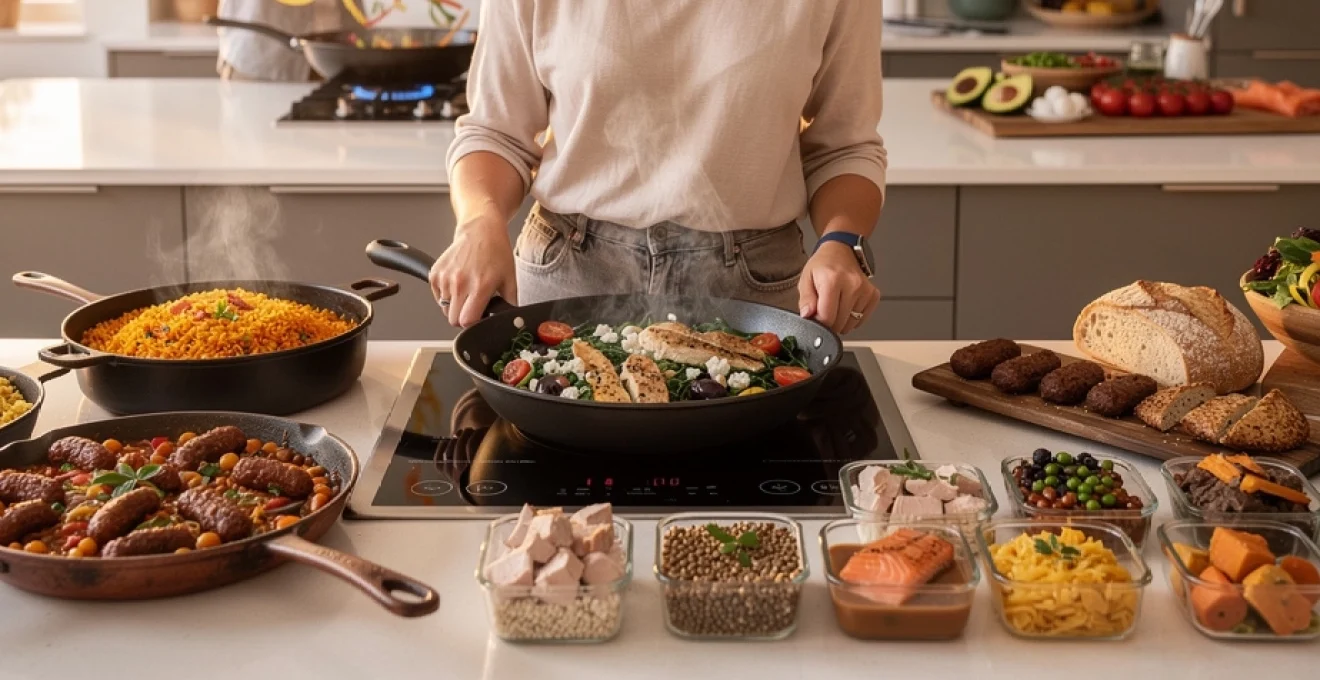
In today’s fast-paced world, the challenge of preparing nutritious, flavourful meals whilst juggling demanding schedules has become increasingly common. The art of quick cooking doesn’t require sacrificing taste or nutritional value—it simply demands strategic planning, efficient techniques, and a well-curated collection of versatile recipes. Modern culinary approaches emphasise maximising flavour through smart ingredient combinations, proper seasoning techniques, and time-saving cooking methods that deliver restaurant-quality results in minimal time.
The evolution of home cooking has embraced convenience without compromising quality, leading to innovative approaches that combine traditional cooking wisdom with contemporary efficiency. Whether you’re managing weeknight dinner preparation, seeking protein-rich meal prep solutions, or exploring international flavours through rapid cooking techniques, the key lies in understanding fundamental cooking principles that can be adapted across various cuisines and dietary preferences.
15-minute One-Pan mediterranean skillet recipes
Mediterranean cuisine offers an exceptional foundation for rapid meal preparation, combining bold flavours with simple cooking techniques that require minimal equipment. The one-pan approach maximises efficiency whilst ensuring that flavours meld beautifully during the cooking process. These recipes capitalise on the Mediterranean tradition of using high-quality ingredients in their simplest forms, allowing natural flavours to shine through with minimal intervention.
The beauty of Mediterranean cooking lies in its ability to transform simple, fresh ingredients into extraordinary meals through proper seasoning and technique, rather than complicated procedures or exotic components.
Greek-style chicken and orzo with feta and kalamata olives
This protein-packed dish combines tender chicken breast with al dente orzo pasta, creating a complete meal in a single pan. The cooking process begins with searing seasoned chicken pieces until golden brown, developing a flavour base that infuses the entire dish. Once the chicken develops proper colour, aromatic vegetables including diced onions, minced garlic, and diced tomatoes are added to the pan, creating a fragrant soffritto that forms the foundation of the sauce.
The orzo is added directly to the pan along with chicken stock, allowing the pasta to absorb the concentrated flavours whilst cooking. This technique, borrowed from risotto preparation, ensures that every grain of orzo carries the essence of the dish. Kalamata olives and crumbled feta cheese are incorporated during the final minutes, providing briny depth and creamy richness that characterise authentic Greek flavours. Fresh herbs including oregano and parsley brighten the finished dish, whilst a squeeze of lemon juice adds the acidic balance essential to Mediterranean cuisine.
Italian sausage and bell pepper risotto using arborio rice
Traditional risotto techniques can be adapted for rapid preparation without sacrificing the creamy texture that defines this classic dish. Italian sausage provides both protein and fat, eliminating the need for additional oil whilst contributing robust flavour throughout the cooking process. The sausage is removed from its casing and crumbled into the hot pan, where it renders its fat and develops a golden-brown crust that creates the flavour foundation.
Arborio rice is toasted directly in the rendered sausage fat, a crucial step that prevents the grains from becoming mushy whilst ensuring proper starch release for creaminess. Warmed stock is added in larger quantities than traditional risotto methods, allowing for faster cooking whilst maintaining the stirring technique that develops the characteristic creamy texture. Colourful bell peppers are added midway through cooking, providing sweetness and visual appeal whilst retaining slight texture contrast. The finished risotto is enriched with freshly grated Parmesan cheese and finished with fresh basil leaves.
Spanish chorizo and chickpea paella with saffron threads
This simplified paella approach delivers authentic Spanish flavours without the traditional lengthy cooking process. Spanish chorizo, with its distinctive paprika seasoning, provides both protein and the characteristic reddish colour associated with paella. The chorizo is sliced and rendered until crispy, creating flavourful oil that serves as the cooking medium for the remaining ingredients.
Short-grain rice, preferably Bomba or Arborio, is added to the chorizo fat and stirred briefly to coat each grain. The crucial addition of saff
threads dissolved in warm stock imparts both colour and a subtle floral aroma that elevates the entire dish. Canned chickpeas are stirred through along with diced tomatoes and smoked paprika, absorbing the saffron-infused liquid as the rice cooks. To maintain the characteristic paella texture, the mixture is left undisturbed for the final few minutes, allowing a light socarrat—a crisp, caramelised layer of rice—to form at the bottom of the pan. A final garnish of chopped flat-leaf parsley and a squeeze of lemon balances the richness and creates a quick dinner recipe that feels both rustic and refined.
Turkish lamb kofta with bulgur wheat and pomegranate molasses
Turkish-inspired lamb kofta offers a high-impact flavour profile with minimal preparation, making it ideal for quick and tasty meals. Minced lamb is combined with finely grated onion, minced garlic, ground cumin, coriander, smoked paprika and a small amount of fresh mint or parsley before being shaped into small, flattened cylinders or oval patties. Because the kofta are relatively thin, they cook rapidly in a hot skillet, developing a deeply caramelised crust whilst remaining juicy inside.
In the same pan, fine bulgur wheat is briefly toasted in the residual lamb fat before hot stock is added, allowing it to steam off the heat and absorb the savoury flavours. This method reduces active cooking time and produces a tender, fluffy base for the kofta. A drizzle of pomegranate molasses over the finished dish adds a tangy-sweet contrast that cuts through the richness of the lamb. Served with a quick yoghurt sauce flavoured with lemon and garlic, this one-pan Mediterranean skillet transforms simple ingredients into a balanced meal in under 20 minutes.
High-protein meal prep solutions for busy weekdays
High-protein meal prep recipes are essential when you want quick and tasty meals that also support sustained energy and satiety throughout the week. Current nutrition research suggests that evenly distributing protein intake across meals can help maintain muscle mass and manage appetite, especially when paired with fibre-rich carbohydrates and healthy fats. By investing a small block of time in strategic meal prep, you can reduce weekday stress, minimise reliance on takeaway options, and ensure that nourishing choices are always within reach.
The following high-protein meal prep solutions leverage modern appliances such as sous vide machines, air fryers, pressure cookers and slow cookers to automate much of the cooking process. Rather than preparing individual meals from scratch every evening, you create versatile protein components and pair them with simple sides and sauces. This approach functions like a home meal kit system: you assemble rather than cook from the ground up on busy days. With a few core recipes, you can easily rotate flavours and textures so that your quick dinner recipes never feel repetitive.
Sous vide chicken breast with batch-cooked quinoa variations
Sous vide chicken breast is one of the most reliable ways to achieve consistently tender, juicy protein for weekday meal prep. By cooking the chicken at a precise temperature—typically between 63°C and 65°C (145°F–149°F)—you avoid the common issue of dryness associated with pan-frying or oven-baking lean cuts. Once vacuum-sealed with olive oil, garlic, herbs and a pinch of salt, the chicken can be cooked hands-off for one to two hours, then quickly seared in a hot pan for a golden exterior.
To transform this base into multiple quick and easy meals, batch-cook a large pot of quinoa and season portions differently throughout the week. For a Mediterranean variation, toss quinoa with cherry tomatoes, cucumbers, olives and crumbled feta, finishing with lemon juice and oregano. For a Tex-Mex-inspired bowl, combine quinoa with black beans, sweetcorn, coriander and a squeeze of lime, then top with sliced sous vide chicken and a spoonful of yoghurt or salsa. By treating quinoa like a blank canvas, you can create several distinct high-protein meal prep combinations without increasing your cooking time.
Sheet pan salmon teriyaki with edamame and brown rice
Sheet pan salmon teriyaki delivers a complete, high-protein dinner with minimal cleanup and active effort. Salmon fillets are brushed with a simple teriyaki glaze made from soy sauce, mirin or rice vinegar, honey, garlic and ginger, then arranged on a lined tray alongside frozen edamame and sliced vegetables such as carrots or broccoli. Because everything cooks together in the oven, you effectively create a balanced macro-friendly meal—rich in protein, omega-3 fats and fibre—in around 20 minutes.
For efficient meal prep, you can roast a larger batch of salmon and vegetables, then portion them into containers with pre-cooked brown rice. This wholegrain base reheats well and provides a slow-release carbohydrate source that keeps you fuller for longer. If you prefer variety across the week, use the same baked salmon in different contexts: flaked over sesame-dressed salads, tucked into nori wraps with cucumber and avocado, or served cold with a quick soba noodle salad. With one sheet pan recipe, you gain several quick dinner ideas that adapt to your schedule and preferences.
Pressure cooker beef and lentil stew with mirepoix base
A pressure cooker beef and lentil stew showcases how modern equipment can compress traditional slow-cooked flavours into a fraction of the time. The recipe begins with a classic mirepoix base—finely diced onions, carrots and celery—sautéed until softened and lightly caramelised. Lean beef cubes are then browned directly in the pot, developing fond on the bottom that will later dissolve into the cooking liquid, contributing depth and savoury complexity.
Brown or green lentils are added along with crushed tomatoes, beef stock, bay leaves and dried thyme before sealing the pressure cooker. Under high pressure, both the beef and lentils become tender in less than 30 minutes, compared with the several hours required on the stovetop. This stew is naturally high in protein and fibre, making it a satisfying foundation for quick and tasty meals throughout the week. Portion it into containers and serve over mashed potatoes, polenta or wholegrain bread for hearty dinners that reheat beautifully.
Air fryer tofu katsu with japanese panko breadcrumb technique
Air fryer tofu katsu provides a lighter, plant-based alternative to traditional fried cutlets whilst retaining a satisfying crunch. Firm tofu is pressed to remove excess moisture, then sliced and coated in a standard breading sequence: flour, beaten egg (or a plant-based substitute), and finally Japanese panko breadcrumbs. Panko’s larger, flaky structure creates an airier crust that crisps exceptionally well in an air fryer with only a light spray of oil, reducing overall fat content compared with deep-frying.
Once cooked, the tofu cutlets can be served immediately over steamed rice with shredded cabbage and a drizzle of katsu sauce for a quick dinner recipe that feels indulgent yet balanced. For meal prep, you can refrigerate the cooked tofu and reheat it briefly in the air fryer to restore its crisp texture. Pair it with pre-prepared components such as pickled vegetables, miso soup or a sesame-dressed salad to assemble varied, high-protein bowls in minutes. This approach is particularly helpful if you’re trying to increase plant-based protein without sacrificing flavour or texture.
Slow cooker turkey chilli with three-bean protein matrix
Slow cooker turkey chilli is an excellent example of a “set it and forget it” high-protein meal that slots effortlessly into busy weekdays. Lean ground turkey forms the base, providing substantial protein with a lower saturated fat content than some red meats. A three-bean mix—commonly kidney beans, black beans and pinto or cannellini beans—adds both additional protein and significant dietary fibre, helping to keep you satiated for longer and support digestive health.
The chilli is built by browning the turkey with onions and garlic before transferring it to the slow cooker along with crushed tomatoes, chilli powder, cumin, smoked paprika and the mixed beans. Left to cook on low heat for six to eight hours, the flavours meld and intensify without requiring supervision, much like a financial investment quietly gaining interest over time. Once prepared, the chilli can be portioned and frozen, then reheated for ultra-fast dinners served over rice, with baked potatoes, or alongside a simple green salad. Toppings such as grated cheese, yoghurt, jalapeños or coriander allow you to customise each bowl so meal prep never feels monotonous.
Asian fusion Stir-Fry techniques for rapid cooking
Asian fusion stir-fry recipes are amongst the fastest ways to get dinner on the table, often requiring less time than ordering takeaway. The key lies in high-heat cooking, efficient knife work and a streamlined prep process known as mise en place. By having all your ingredients chopped, sauces mixed and garnishes ready before the pan heats, you can move through the cooking sequence in just a few minutes. This makes stir-fry techniques ideal for weeknights when you want quick and tasty meals without compromising on freshness or texture.
From a technical standpoint, stir-frying is comparable to a well-choreographed dance: every movement has a sequence and rhythm. You begin with aromatics such as garlic, ginger and spring onions, followed by protein, then vegetables, and finally sauce and noodles or rice. Maintaining high heat and avoiding overcrowding the pan prevents ingredients from steaming and keeps vegetables crisp-tender. By mastering this simple framework, you can build countless quick dinner recipes with different flavour profiles—Thai-inspired basil stir-fries, Korean-style gochujang glazes or Japanese teriyaki sauces—simply by changing the aromatics and seasonings.
No-cook assembly recipes using premium ingredients
No-cook assembly recipes are invaluable when you want genuinely effortless, quick dinner ideas that still feel satisfying and well-composed. Instead of applying heat, you rely on the quality and compatibility of your ingredients—think of it as curating a playlist rather than composing music from scratch. Items such as premium tinned fish, artisanal cheeses, cured meats, pre-washed salad mixes and high-quality breads can be combined in countless ways to create meals that require nothing more than slicing and arranging.
For example, a Mediterranean-inspired mezze platter might feature hummus, marinated olives, roasted red peppers from a jar, cherry tomatoes, sliced cucumber, feta and flatbreads. Alternatively, a no-cook grain bowl could start with pre-cooked rice or quinoa, topped with smoked salmon, avocado, radishes, pickled onions and a simple lemon-tahini dressing. Because you bypass the stove entirely, these no-cook recipes are perfect for heatwaves, late evenings or days when your energy is low but your standards for flavour remain high. By keeping a small selection of premium staples on hand, you can assemble nutritious, restaurant-quality plates in under 10 minutes.
Quick bread and pasta solutions with artisanal elements
Quick bread and pasta solutions offer some of the most comforting options for rapid weeknight cooking, especially when enhanced with a few artisanal touches. While traditional bread-making can be time-intensive, modern shortcuts such as no-knead flatbreads or pre-made dough allow you to enjoy fresh, warm bread with minimal effort. Similarly, dried pasta cooks in under 12 minutes and can be elevated with high-quality sauces, flavoured oils and finishing cheeses to create quick and tasty meals that feel far from ordinary.
One effective strategy is to pair simple bases with one or two premium additions that act like “cheat codes” for flavour. For instance, a basic garlic and olive oil pasta becomes restaurant-worthy when finished with a spoonful of sun-dried tomato pesto, burrata or a drizzle of truffle oil. Flatbreads baked in a hot pan or oven can be topped with ricotta, prosciutto and rocket, then finished with balsamic glaze for an artisanal feel in less than 20 minutes. By focusing on texture contrasts—al dente pasta with creamy sauces, crisp flatbreads with soft cheeses—you can create quick dinner recipes that are both efficient and deeply satisfying, even on your busiest days.