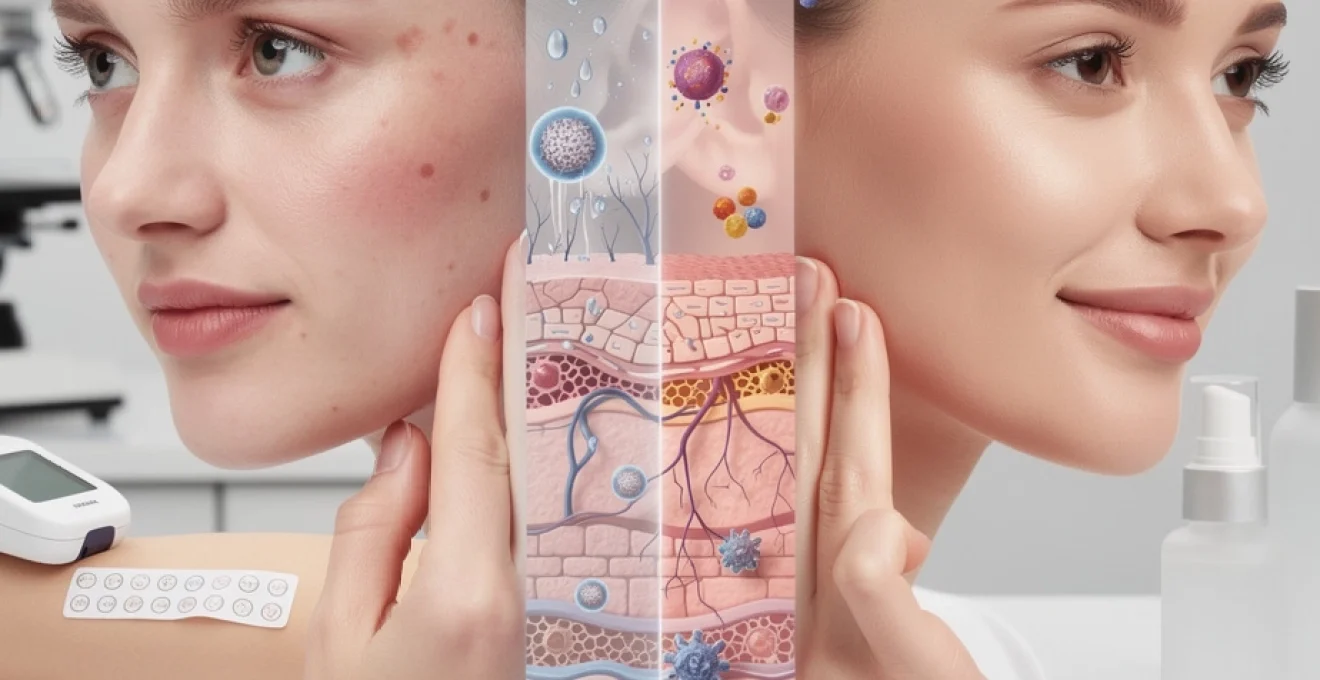
Skin sensitivity has emerged as one of the most prevalent dermatological concerns of the 21st century, affecting over 50% of the global population according to recent epidemiological studies. This condition manifests through uncomfortable sensations ranging from tingling and burning to visible symptoms like redness, dryness, and inflammatory responses. Unlike straightforward skin types, sensitivity represents a complex interplay between genetic predisposition, environmental factors, and compromised barrier function. The challenge lies not only in identifying the condition but in understanding its multifaceted origins—from neurogenic inflammation to impaired lipid matrices within the stratum corneum. As our modern environment becomes increasingly hostile to delicate skin, with pollution levels rising and product formulations growing more complex, understanding the science behind skin reactivity has never been more critical for maintaining healthy, comfortable skin.
Dermatological classification of sensitive skin phenotypes and underlying pathophysiology
Sensitive skin doesn’t represent a single condition but rather encompasses several distinct phenotypes, each with unique underlying mechanisms. The dermatological community has worked extensively to classify these variations, recognising that what manifests as “sensitive skin” can stem from vastly different physiological processes. Understanding these classifications helps you identify your specific condition and select appropriate management strategies tailored to your skin’s particular needs.
The primary classification distinguishes between constitutionally sensitive skin—a genetic condition you’re born with—and acquired sensitivity, which develops over time due to environmental factors, lifestyle choices, or inappropriate skincare practices. Constitutional sensitivity often presents alongside other atopic conditions such as eczema, hay fever, or asthma, suggesting a shared genetic vulnerability. These individuals typically possess inherent defects in their skin barrier architecture, with reduced ceramide content and compromised tight junction proteins that normally seal the spaces between skin cells.
Neurogenic inflammation and TRPV1 receptor activation in sensory hypersensitivity
One of the most fascinating aspects of sensitive skin involves the hyperactivation of sensory nerve endings within the epidermis. The transient receptor potential vanilloid 1 (TRPV1) receptors, which normally respond to heat and noxious stimuli, become hypersensitive in reactive skin types. This neurogenic inflammation pathway explains why you might experience stinging or burning sensations even when applying gentle products. When these receptors fire inappropriately, they trigger the release of neuropeptides like substance P and calcitonin gene-related peptide (CGRP), which perpetuate a cycle of inflammation and discomfort.
Research published in the British Journal of Dermatology has demonstrated that individuals with sensitive skin show significantly lower thresholds for TRPV1 activation compared to those with normal skin tolerance. This heightened neuronal excitability doesn’t just cause discomfort—it actively promotes inflammatory cascades that further compromise barrier function, creating a vicious cycle that can be difficult to interrupt without targeted intervention.
Impaired stratum corneum barrier function and transepidermal water loss (TEWL)
The stratum corneum, your skin’s outermost layer, functions like a brick wall—corneocytes (dead skin cells) form the bricks, while lipids comprising ceramides, cholesterol, and free fatty acids constitute the mortar. In sensitive skin, this architectural integrity becomes compromised. Studies measuring transepidermal water loss (TEWL) consistently show elevated levels in sensitive individuals, indicating that water escapes more readily from their skin whilst irritants penetrate more easily inward.
This barrier dysfunction stems from several factors: reduced expression of filaggrin (a crucial structural protein), abnormal lipid composition with decreased ceramide levels, and impaired production of natural moisturising factors (NMF). When your barrier function deteriorates, your skin becomes simultaneously dehydrated and vulnerable to external aggressors—from harsh surfactants in cleansers to environmental pollutants and microbiological threats. Elevated TEWL values above 15 g/m²/h typically indicate significant barrier impairment requiring therapeutic intervention.
Mast cell degranulation and Histamine-Mediated cutaneous reactions
Mast cells, the immune system’s sentin
inels located in the upper dermis play a central role in many sensitive skin reactions. When these cells degranulate, they release histamine, prostaglandins, leukotrienes, and a host of inflammatory mediators that cause vasodilation, redness, swelling, and intense itching. In people with hypersensitive or reactive skin, mast cells appear to be more easily triggered by physical factors such as heat, friction, and UV exposure, as well as by chemical stimuli including fragrances, preservatives, and certain active ingredients.
This histamine-mediated response explains why some individuals develop rapid flushing, hives-like patches, or an almost immediate burning and itching sensation after applying a new product. It also underpins why oral antihistamines or topical anti-inflammatory agents can sometimes relieve flares of sensitive skin that appear “allergic” but do not meet full criteria for a classic allergy. While mast cell activation is not the sole driver of skin sensitivity, it is a key contributor in many people, particularly those who also experience seasonal allergies, chronic urticaria, or other atopic conditions.
Genetic polymorphisms: filaggrin mutations and ceramide deficiency
Genetic factors can predispose you to sensitive skin long before any visible symptoms emerge. One of the most studied contributors is loss-of-function mutations in the FLG gene, which encodes filaggrin, a protein crucial for organising keratin filaments and generating natural moisturising factors in the stratum corneum. Individuals with filaggrin mutations often have inherently dry, rough, and reactive skin, and they are at significantly higher risk of atopic dermatitis and other barrier-related disorders. Even in the absence of a formal eczema diagnosis, subclinical filaggrin deficiency can manifest as increased tightness, flaking, and heightened stinging with common skincare products.
Ceramide deficiency is another important genetic and biochemical element in sensitive skin phenotypes. Ceramides account for up to 50% of the stratum corneum’s lipid content by weight, and they form the “cement” that keeps corneocytes tightly sealed. Several studies have shown that people with sensitive or atopic-prone skin exhibit altered ceramide profiles, including lower total ceramide levels and changes in chain length distribution, which translate into a weaker, more permeable barrier. Understanding whether your sensitivity stems from such intrinsic factors is essential, because it shifts the focus from merely avoiding triggers to actively rebuilding and maintaining your barrier with targeted ingredients like ceramide complexes and filaggrin-supportive therapies.
Evidence-based diagnostic approaches for reactive skin assessment
Because “sensitive skin” is a subjective term, dermatologists rely on a combination of patient-reported symptoms, clinical examination, and specialised tests to characterise reactive skin more objectively. The goal is to determine whether you are dealing with pure sensory hypersensitivity, barrier impairment, allergic contact dermatitis, or an inflammatory condition such as rosacea or eczema. By using validated diagnostic tools, clinicians can tailor treatment more precisely instead of adopting a trial-and-error approach that often worsens irritation.
Modern assessment of skin sensitivity moves beyond simply asking, “Does this product sting?” It includes provocation tests that quantify your skin’s reactivity threshold, instrumental measurements that evaluate hydration and barrier status, and, where indicated, allergen identification through patch testing. For complex or treatment-resistant cases, advanced imaging and biomarker analysis can reveal subtle structural and inflammatory changes that are not visible to the naked eye.
Lactic acid stinging test and capsaicin provocation protocols
The lactic acid stinging test is one of the most widely used methods to evaluate sensory reactivity in sensitive skin. During this test, a low concentration of lactic acid solution—typically 10%—is applied to a defined area of the face, such as the nasolabial fold. You are then asked to rate sensations like stinging, burning, or tingling on a standardised scale at specific time intervals. People with sensitive or hyper-reactive skin usually report stronger and earlier symptoms compared to those with normal skin tolerance, even though no visible redness may appear.
Capsaicin provocation protocols offer a complementary way to study neurogenic inflammation via TRPV1 receptor activation. Capsaicin, the molecule responsible for the “heat” in chilli peppers, is applied topically in a carefully controlled concentration, and clinicians observe both subjective sensations and objective signs such as redness or flare. A heightened response suggests that your cutaneous nerve fibres are overly responsive, supporting a diagnosis of sensory-type sensitive skin. While these tests are generally performed in research centres or specialist clinics rather than routine practice, they have helped define sensitive skin subtypes and inform the development of soothing, neuromodulating skincare products.
Corneometry and ph measurement for barrier integrity evaluation
Instrumental measurements provide an objective window into your skin’s barrier function and hydration status. Corneometry uses a device called a corneometer to measure the skin’s electrical capacitance, which correlates with stratum corneum hydration. Lower corneometer values indicate dryness and compromised moisture retention, both hallmarks of sensitive and barrier-impaired skin. Repeating these measurements over time allows dermatologists to evaluate how well a particular regimen restores hydration and whether it truly strengthens the skin barrier.
Skin surface pH is another critical parameter. Healthy facial skin usually has a slightly acidic pH between 4.5 and 5.5, which supports enzyme activity for lipid processing, maintains a balanced microbiome, and helps preserve barrier integrity. In sensitive skin, this acid mantle is often disrupted, with pH drifting toward more alkaline values. Simple pH measurements using non-invasive probes can reveal whether your cleansers and treatments are supporting or undermining your barrier. Together with TEWL (transepidermal water loss) readings, corneometry and pH profiling offer a comprehensive picture of how resilient—or fragile—your skin really is.
Patch testing methodology: identifying contact allergens and irritants
When your sensitive skin repeatedly flares after contact with skincare, cosmetics, or everyday materials, allergic contact dermatitis becomes a prime suspect. Patch testing is the gold standard for identifying specific allergens and differentiating true allergies from non-immunologic irritant reactions. In this procedure, small chambers containing standardised panels of common allergens—such as fragrance mixes, preservatives, metals like nickel, and rubber accelerators—are applied to your back and left in place for 48 hours.
After removal, your dermatologist examines the test sites at 48 and 72–96 hours, looking for eczematous reactions characterised by redness, papules, vesicles, and sometimes swelling. A positive reaction confirms sensitisation to that particular substance, allowing you to avoid it in future skincare choices and daily life. In some cases, customised patch series targeting cosmetic ingredients, hair dyes, or occupational exposures are added to pinpoint less common triggers. For anyone with ongoing “mystery” sensitivity, patch testing can be transformational, turning guesswork into a clear, actionable diagnosis.
Confocal microscopy and non-invasive biomarker analysis
For complex or treatment-resistant cases of sensitive skin, advanced imaging and molecular techniques provide deeper insight into what is happening beneath the surface. In vivo confocal microscopy allows dermatologists and researchers to visualise the skin’s microarchitecture in real time, almost like a “virtual biopsy” without breaking the barrier. This technology can reveal subtle changes in epidermal thickness, corneocyte cohesion, blood vessel density, and inflammatory cell infiltration that may explain chronic sensitivity or redness.
Non-invasive biomarker analysis, using methods such as tape stripping, collects tiny layers of stratum corneum that can be analysed for cytokines, neuropeptides, and lipid composition. Elevated levels of pro-inflammatory mediators or altered ceramide profiles provide objective evidence of barrier dysfunction and subclinical inflammation in reactive skin. While these tools are mainly used in research and specialised centres, they guide the development of targeted cosmeceuticals and help validate claims that a product can “soothe” or “fortify” sensitive skin at the molecular level.
Cosmeceutical ingredients and their mechanism of action on sensitised skin
The rise in skin sensitivity has driven intense innovation in cosmeceutical science, leading to a new generation of ingredients designed specifically for reactive and barrier-impaired skin. Rather than relying on heavy occlusives alone, modern formulations target fundamental mechanisms such as inflammation, lipid synthesis, neurosensory hyper-reactivity, and oxidative stress. When chosen thoughtfully, these active ingredients can both relieve short-term discomfort and improve your skin’s resilience over time.
However, not every “soothing” ingredient is appropriate for every sensitive skin phenotype. Some people tolerate barrier-repair lipids but react to botanical extracts; others benefit from low-dose anti-inflammatory acids but cannot use classic actives like retinoids. Understanding what key cosmeceuticals actually do at the cellular level empowers you to build a routine that supports, rather than overwhelms, your compromised barrier.
Niacinamide’s role in ceramide synthesis and anti-inflammatory pathways
Niacinamide (vitamin B3) has become a cornerstone ingredient in formulations for sensitive and reactive skin because of its multitargeted benefits and generally excellent tolerability at appropriate concentrations. At the barrier level, niacinamide enhances the activity of enzymes involved in ceramide synthesis, helping replenish the lipid “mortar” between corneocytes. Over time, this increased ceramide content reduces transepidermal water loss, improves elasticity, and makes your skin less reactive to everyday irritants.
Beyond barrier repair, niacinamide exhibits notable anti-inflammatory properties. It downregulates the production of pro-inflammatory cytokines and can reduce redness associated with conditions like rosacea, acne, or irritant dermatitis. Clinical studies have shown that concentrations between 2% and 5% are usually well tolerated by sensitive skin and can visibly improve tone, texture, and hydration. If you are highly reactive, starting with a lower concentration and gradually increasing frequency of use allows your skin to acclimatise while still benefitting from niacinamide’s barrier-strengthening effects.
Centella asiatica and madecassoside for barrier restoration
Centella asiatica, also known as gotu kola, is a medicinal plant long used in traditional medicine for wound healing. Modern dermatology has identified key bioactive compounds within Centella—particularly madecassoside, asiaticoside, asiatic acid, and madecassic acid—that exert potent soothing and reparative effects on sensitised skin. These molecules promote fibroblast activity and collagen synthesis, supporting the dermal matrix and facilitating more efficient repair after irritation or microdamage.
Madecassoside, in particular, has demonstrated anti-inflammatory and antioxidant properties, helping to temper the cascade of mediators released during irritation or UV exposure. For people with sensitive skin who cannot tolerate aggressive anti-ageing ingredients, Centella-based formulas offer a gentler pathway to improved firmness and resilience. When combined with humectants like glycerin and barrier lipids, Centella extracts can significantly reduce feelings of tightness, heat, and stinging, making them valuable in routines aimed at restoring comfort after over-exfoliation or retinoid misuse.
Azelaic acid and liquorice root extract for redness reduction
Persistent redness, flushing, and visible capillaries are common complaints among those with sensitive skin, especially when rosacea or subclinical inflammation is present. Azelaic acid, a dicarboxylic acid derived from grains, offers a unique blend of anti-inflammatory, antimicrobial, and keratin-normalising actions that make it particularly suited to redness-prone sensitive skin. At concentrations around 10–15% in cosmetic products (and 15–20% in prescription formulations), azelaic acid can decrease inflammatory lesions, calm erythema, and help even out tone without the photosensitivity associated with stronger acids.
Liquorice root extract (often standardised for glabridin or licochalcone A) complements azelaic acid by targeting different aspects of inflammation and pigmentation. Licochalcone A, used in several dermo-cosmetic lines for hypersensitive skin, has been shown to reduce erythema and oxidative stress following UV exposure. When incorporated into lightweight, non-comedogenic bases, liquorice-derived actives can visibly soften diffuse redness and post-inflammatory marks, making them ideal for people whose sensitive skin also shows blotchy pigmentation or acne-related discoloration.
Thermal spring water: avène, la Roche-Posay, and mineral-rich formulations
Thermal spring waters from specific French regions—most notably Avène and La Roche-Posay—have become synonymous with care for intolerant and reactive skin. These waters are not simple H₂O; they contain distinctive mineral compositions and trace elements that appear to modulate inflammation and support barrier function. Clinical studies have documented improvements in dryness, itching, and visible irritation when thermal water is incorporated into daily routines or used as part of intensive spa-based balneotherapy programmes for conditions like atopic dermatitis and psoriasis.
From a mechanistic perspective, these mineral-rich formulations are thought to influence the cutaneous microbiome, reduce oxidative stress, and gently rebalance the skin’s surface environment. For you, the practical benefit is straightforward: finely misted spring water can rapidly soothe sensations of heat and tightness, especially after cleansing, shaving, or procedures like laser and peeling. While thermal water alone is not a complete treatment for sensitive skin, it can be a valuable adjunct, enhancing comfort and tolerance when layered under appropriate emollients and active serums.
Strategic skincare regimen development for compromised barrier function
Designing an effective skincare routine for sensitive or compromised skin is less about adding more products and more about choosing the right few with precision. A strategic regimen focuses on three pillars: gentle cleansing, intensive yet non-irritating hydration, and targeted actives introduced at a pace your skin can tolerate. Think of it like rebuilding a damaged roof—you must first stabilise the structure before adding more advanced features.
For most people with reactive skin, a simple morning routine might include a mild, pH-balanced cleanser or even just a water rinse, followed by a barrier-supportive serum (for example, containing niacinamide or Centella asiatica) and a fragrance-free moisturiser with ceramides and cholesterol. A broad-spectrum mineral or hybrid sunscreen formulated for sensitive skin completes the routine. At night, the emphasis shifts to thorough yet gentle cleansing to remove sunscreen and pollutants, followed again by intensive moisturisation. Active treatments such as azelaic acid, low-dose retinoids, or exfoliating acids, if used at all, should be introduced slowly—once or twice a week—while you carefully monitor for signs of burning, stinging, or increased redness.
Avoiding common triggers: sodium lauryl sulphate, fragrance, and preservative systems
While rebuilding your barrier is essential, an equally important part of managing sensitive skin is rigorously avoiding unnecessary triggers. Many everyday skincare and personal care products contain substances that, while well tolerated by most people, can be highly problematic for reactive skin. Sodium lauryl sulphate (SLS), a strong anionic surfactant used in foaming cleansers and shampoos, is one of the most notorious. It strips lipids from the stratum corneum, increases transepidermal water loss, and can provoke irritation even in individuals without a history of sensitivity.
Fragrance—both synthetic and natural essential oils—is another frequent culprit in flare-ups of sensitive or allergic skin. Because fragrance mixes are among the most common allergens detected in patch testing, choosing products explicitly labelled “fragrance-free” (not merely “unscented”) is a key strategy. Preservative systems, while necessary to keep products safe, can also play a role; formaldehyde-releasing agents, isothiazolinones, and certain parabens are well-known triggers in susceptible people. For highly reactive skin, opting for products designed for intolerant or allergy-prone skin, often with minimalist ingredient lists and airless, anti-contamination packaging, reduces the risk of cumulative irritation.
Dermatologist-recommended product formulations and clinical study results
Dermatologists tend to favour formulations that have undergone controlled clinical testing on sensitive or atopic-prone populations. These studies typically evaluate not only efficacy—such as improvement in hydration, redness, or roughness—but also tolerability, measured by rates of stinging, burning, or discontinuation. For example, moisturisers containing a physiological lipid ratio of ceramides, cholesterol, and free fatty acids have been shown to normalise TEWL and significantly improve dryness and discomfort within 2–4 weeks in subjects with compromised barriers.
Similarly, clinical trials on niacinamide-based serums at 2–5% concentrations report measurable increases in stratum corneum hydration and reductions in erythema, with very low rates of irritation when formulations are free from fragrance and harsh solvents. Products incorporating madecassoside and thermal spring water have demonstrated improvements in post-procedure sensitivity, reducing downtime after laser or peeling treatments. When you select products that are backed by such data—and ideally recommended by your dermatologist—you are no longer relying on marketing claims alone. Instead, you are choosing evidence-based tools that align with the specific biology of your sensitive skin, helping you move from constant reactivity toward long-term comfort and resilience.