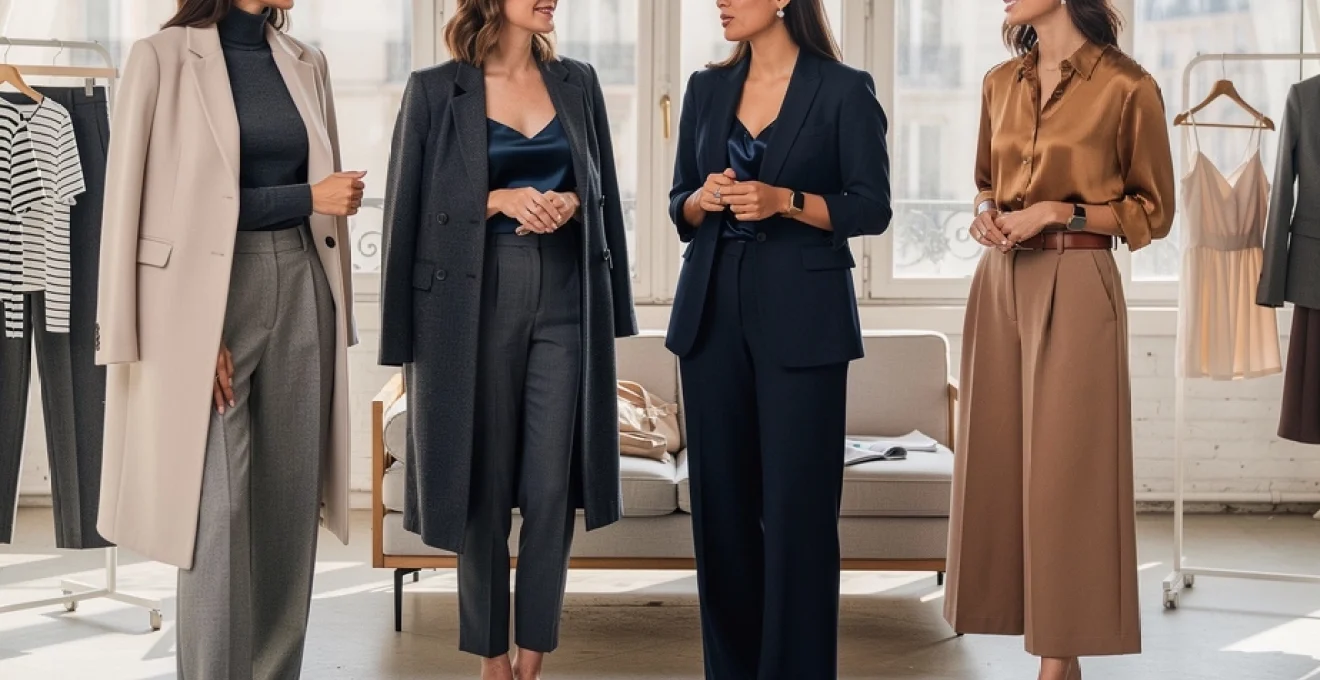
The pursuit of effortless elegance often feels paradoxical—achieving a seemingly unstudied, polished appearance requires considerably more thought than one might expect. Yet for those who’ve mastered the art of sophisticated dressing, the secret lies not in endless wardrobe experimentation but in reliable outfit formulas that consistently deliver refined results. These time-tested approaches to styling eliminate decision fatigue whilst ensuring you present an impeccably assembled appearance, regardless of the occasion. When you understand the fundamental principles behind these formulas—from tonal layering techniques to proportional balancing—you unlock the ability to dress with both confidence and efficiency, creating ensembles that appear both intentional and innately chic.
Monochromatic dressing: mastering tonal layering for sophisticated silhouettes
Monochromatic dressing represents perhaps the most powerful formula for achieving instant elegance. By working within a single colour family, you create a harmonious visual line that elongates the silhouette whilst projecting an air of intentional sophistication. This approach transcends simple colour-matching; it involves understanding tonal variations, texture contrasts, and the subtle interplay between different shades within the same colour spectrum. The beauty of monochromatic styling lies in its universal applicability—whether you gravitate towards neutrals or prefer more adventurous hues, the principle remains remarkably effective.
The key to successful monochromatic dressing extends beyond merely wearing the same colour from head to toe. You need to consider fabric weights, surface textures, and subtle tonal shifts that prevent the look from appearing flat or one-dimensional. A well-executed monochromatic ensemble incorporates at least two different textures—perhaps pairing a structured cotton with flowing silk, or combining matte wool with lustrous satin. This textural variation adds depth and visual interest whilst maintaining the streamlined effect that makes monochromatic dressing so appealing.
Ivory-on-ivory texture mixing with cashmere and silk combinations
Ivory monochromatic dressing offers a luminous alternative to stark white, providing warmth and sophistication that flatters virtually every complexion. When working with ivory tones, the strategic mixing of cashmere and silk creates an exceptionally refined aesthetic. Consider pairing a cashmere rollneck in cream with silk wide-leg trousers in a slightly warmer ivory—the contrast between the matte, soft texture of cashmere and the subtle sheen of silk prevents the ensemble from appearing washed-out whilst maintaining visual cohesion.
The challenge with ivory monochromatic styling lies in managing the potential for the look to appear too bridal or overly precious. To counter this, incorporate slightly darker ivory accessories—perhaps a parchment-toned leather handbag or bone-coloured loafers. These subtle variations anchor the outfit whilst preserving its tonal harmony. Additionally, consider introducing texture through knitted elements, ribbed fabrics, or subtle cable patterns that add dimension without disrupting the colour story.
Charcoal grey gradient techniques from anthracite to dove
Grey monochromatic dressing provides remarkable versatility, offering a sophisticated middle ground between the starkness of black and the softness of lighter neutrals. The grey spectrum encompasses an impressive range—from deep anthracite to pale dove—allowing for nuanced gradient dressing that creates visual movement whilst maintaining tonal cohesion. This technique involves deliberately selecting pieces in progressively lighter or darker shades of grey, creating a subtle ombré effect that adds interest without sacrificing the streamlined silhouette.
For a particularly elegant approach, anchor your grey monochromatic ensemble with the darkest shade at either the top or bottom, then gradually shift through medium charcoal towards lighter dove tones. For instance, you might pair anthracite trousers with a medium grey merino jumper and a pale grey cashmere coat. This creates visual flow whilst the tonal similarity maintains the elongating effect that makes monochromatic dressing so flattering. Grey’s inherent neutrality also makes it exceptionally accommodating for incorporating metallic accessories—both silver and gold harmonise beautifully within a grey palette.
Navy capsule coordination using marine, midnight
and Prussian blue—each with its own character but united by the same deep, inky base. Navy is often considered the “soft black” of an elegant wardrobe: formal enough for professional settings, yet less severe against the skin. To build an effortless navy capsule, think in terms of layers and depth. A midnight navy blazer over a marine blue silk blouse and dark Prussian blue trousers creates a sophisticated, tone-on-tone effect that reads considered without ever looking overdone.
When working with navy, pay particular attention to fabric finishes and how they catch the light. A matte wool blazer paired with a slightly lustrous silk shirt and structured cotton or wool trousers offers subtle contrast within a narrow colour bandwidth. If you prefer a more relaxed outfit formula, you might combine a marine blue cashmere crewneck with indigo straight-leg jeans and a midnight trench coat. The result is a visually coherent column of colour that feels as easy as denim and a sweater, yet far more polished. Navy also provides the ideal canvas for accent accessories—camel leather, burgundy suede, or even a crisp white trainer all integrate seamlessly.
Camel tonal palette: wheat, tan, and cognac layering methods
A camel-based palette—ranging from pale wheat to rich cognac—embodies effortless elegance like few others. These warm neutrals echo natural materials such as sand, wood, and leather, which is perhaps why they feel so innately luxurious. To master camel tonal layering, begin with your lightest shade closest to the face, then build depth with progressively richer tones. For instance, a soft wheat-coloured silk blouse, tan tailored trousers, and a cognac leather belt instantly create dimension without sacrificing cohesion.
Because camel tones sit close to many skin tones, proportion and texture become crucial. If you find that head-to-toe beige washes you out, introduce contrast through a crisp white tee under a camel blazer, or add a deeper cognac bag and shoes to ground the look. Think of camel layering like making a perfect latte: you are simply balancing different strengths of the same base colour until the mixture feels just right. Pair a chunky tan cashmere knit with slim wheat trousers and caramel suede loafers for daytime, then swap in a fluid satin midi skirt in cognac for evening. The palette remains constant, but the fabric interplay and volume shifts transform the overall effect.
The blazer-based formula: tailored jacket archetypes for refined versatility
If monochromatic outfits are the foundation of effortless elegance, the blazer is the architectural framework that shapes and sharpens almost any combination. A well-cut blazer has the power to turn simple jeans and a tee into a considered ensemble, or to soften a formal dress into something modern and wearable. Rather than owning multiple trend-led jackets, it is more effective to invest in a few archetypal blazer styles that you can rotate across seasons and settings. Each silhouette interacts differently with your proportions and the rest of your wardrobe, which is why understanding these nuances is so useful.
When you rely on outfit formulas that never fail—such as “jeans, tee, blazer” or “slip dress, longline jacket, minimal sandal”—you reduce the mental load of getting dressed while maintaining a high style standard. The key is to choose blazer cuts that complement your lifestyle: do you need something slightly relaxed for creative work, or sharply tailored for a corporate environment? By curating a small edit of versatile blazers, you can create endlessly refined looks with minimal effort, simply by swapping out the base layers beneath them.
Single-breasted boyfriend blazer styling with slim-fit trousers
The single-breasted boyfriend blazer is the workhorse of an elegant wardrobe: slightly relaxed through the body, longer in length, and inherently modern. Its strength lies in its ability to bridge casual and tailored dressing. To keep the silhouette polished rather than sloppy, pair this looser jacket with slim-fit trousers or straight-leg jeans that skim, rather than cling to, the leg. This contrast in volume—roomier on top, neater on the bottom—creates a flattering line that works for most body types.
For a reliable everyday outfit formula, combine a navy or charcoal boyfriend blazer with a fine-gauge knit and tapered ankle trousers, finishing with loafers or sleek trainers. The result feels as comfortable as loungewear but appears boardroom-appropriate. If your style leans more feminine, introduce a silk camisole or lace-trimmed tank under the blazer, and add a delicate pendant necklace to soften the structure. You can also play with rolled-up sleeves to reveal a contrasting lining or a striped shirt cuff, which adds subtle personality without undermining the blazer’s refinement.
Double-breasted longline blazers over midi slip dresses
A double-breasted longline blazer instantly dials up the sophistication of a simple slip dress, transforming it from night-out staple to day-appropriate hero piece. The elongated hem of the blazer visually narrows and lengthens the torso, while the strong lapel line introduces a touch of tailored authority. This combination is particularly effective if you enjoy minimal outfits that still feel intentional—two pieces plus shoes, yet the impact suggests much more thought. To avoid overwhelming your frame, ensure the blazer fits cleanly at the shoulders and skims rather than swamps your shape.
Try layering a cream double-breasted blazer over a champagne or blush midi slip dress for an elegant daytime look, then switch to a black or deep emerald pairing with strappy heels for evening. This is an outfit formula that never fails for events where you want to appear polished but not overly formal—think gallery openings, dinners, or informal weddings. If you are concerned about the double-breasted style adding bulk, simply wear it open; the vertical line created by the lapels and dress underneath maintains a long, lean effect. You can further refine the silhouette with a slim leather belt over the blazer to highlight the waist.
Cropped boxy blazers paired with high-waisted wide-leg silhouettes
Cropped, boxy blazers are ideal for those who appreciate a modern, slightly architectural aesthetic. When worn with high-waisted wide-leg trousers or a fluid palazzo pant, they create a striking, elongated lower body while keeping the upper frame clean and structured. This proportional play—short on top, long and flowing on the bottom—mirrors the principles used in interior design, where a low-slung sofa beneath a tall window amplifies a room’s height. In fashion terms, you get the same leg-lengthening magic.
To make this outfit formula work in an effortlessly elegant way, pay particular attention to fabric drape. A slightly heavier wool or crepe in the trousers ensures they fall in a clean line from hip to hem, while a structured cotton or tweed blazer maintains its boxy shape. Tuck in a simple silk tank or fitted knit to avoid excess bulk at the waist, and choose shoes that echo the refinement of the silhouette—pointed flats, block-heel sandals, or minimal ankle boots. This combination can be especially flattering for petite figures, as the cropped length prevents the blazer from cutting across the hips and visually shortens the torso.
Oversized masculine blazers anchoring feminine pleated skirts
Blending masculine and feminine elements within a single outfit is a hallmark of contemporary elegance. An oversized, traditionally tailored blazer worn over a soft, pleated midi skirt exemplifies this tension beautifully. The blazer provides structure and a slight androgynous edge, while the skirt offers movement and delicacy. When combined, they look intentional, not accidental—like pairing a sculptural vase with wildflowers to strike the perfect balance between order and spontaneity.
To ensure the look remains polished rather than chaotic, keep your colour palette relatively restrained: think charcoal blazer with a dove-grey pleated skirt, or camel over soft blush. A fitted top or fine-knit turtleneck under the blazer helps define the torso, preventing the overall effect from becoming too voluminous. Footwear can shift the mood effortlessly—chunky loafers or ankle boots lean into the borrowed-from-the-boys aesthetic, while delicate heels or ballerina flats emphasise the feminine element. This is an especially effective outfit formula for transitional seasons, when you want to feel covered yet light.
Capsule wardrobe building blocks: investment pieces for timeless combinations
While individual outfit formulas provide day-to-day styling shortcuts, the true foundation of effortless elegance lies in a well-edited capsule wardrobe. Rather than chasing every micro-trend, you focus on a core selection of high-quality pieces that interlock seamlessly. These building blocks work like a refined toolkit: each item earns its place by offering multiple styling possibilities and combining effortlessly with the others. The result is fewer clothes, more outfits, and far less time spent wondering what to wear.
Investing in these foundational garments may require a higher upfront cost, but the cost-per-wear typically drops significantly over time. Studies in sustainable fashion suggest that many of us wear only around 20–30% of our wardrobes regularly; a capsule approach reverses that ratio so that most of what you own is in frequent rotation. The following pieces—the Breton stripe top, tailored cigarette trousers, silk camisoles, and A-line midi skirts—act as reliable anchors around which you can build any number of elegant, fail-safe combinations.
The breton stripe top as a french minimalist foundation
The Breton stripe top has transcended its nautical origins to become a symbol of relaxed French minimalism. Its clean lines and simple pattern introduce visual interest while remaining firmly in the neutral category, making it an exceptionally versatile capsule piece. You can treat the navy-and-cream stripe almost as a solid, pairing it with denim, tailoring, or even softer prints. The horizontal stripe subtly broadens the upper body, which can be especially flattering if you wish to balance fuller hips or a curvier lower half.
In terms of outfit formulas that never fail, consider the trio of Breton top, straight-leg jeans, and a navy blazer: it is ageless, seasonless, and works in countless settings. For a more elevated take, tuck your Breton into a camel A-line midi skirt and add loafers or block heels. The key is to opt for a high-quality fabric with good weight—such as dense cotton jersey—so the top drapes smoothly and resists twisting. This ensures the stripes remain crisp and intentional rather than slouchy or distorted.
Tailored cigarette trousers in wool gabardine construction
Tailored cigarette trousers cut in wool gabardine form the backbone of a sophisticated, office-ready wardrobe. Gabardine, with its tightly woven, slightly twill texture, offers excellent drape, resilience, and crease resistance—ideal for long days or frequent travel. The cigarette silhouette, slim but not skin-tight, follows the natural line of the leg and ends at or just above the ankle, showcasing your footwear without clinging. When constructed well, this style works across a wide range of body types, offering a clean, elongated leg line.
These trousers integrate seamlessly into multiple outfit formulas: pair them with a silk blouse and blazer for formal meetings, or with a fine-gauge knit and loafers for a polished yet relaxed look. In a monochromatic palette—charcoal trousers with a matching merino sweater—they create an instant column of colour that you can top with a contrasting coat. Choosing neutral shades such as black, navy, or deep grey maximises versatility, but a camel or olive pair can also be surprisingly adaptable within a refined capsule wardrobe.
Silk camisoles and satin camis for elevated layering
Silk camisoles and satin camis serve as quiet luxuries in an elegant wardrobe, adding a hint of sheen and fluidity that elevates almost any outfit. They function both as base layers—sitting smoothly under blazers, cardigans, and sheer blouses—and as stand-alone tops for evening or warm-weather dressing. Because they occupy minimal visual space, camisoles are ideal when you want your blazer, trousers, or skirt to take centre stage, while still maintaining a refined underpinning.
For a simple yet sophisticated formula, wear a neutral silk cami with high-waisted tailored trousers and a longline blazer; add delicate jewellery and you are dinner-ready in minutes. If you are concerned about visible bra lines or transparency, select camis with slightly thicker straps and a double-layered front panel. Colour-wise, black, ivory, and champagne are the most versatile, but a deep jewel tone—emerald, burgundy, or sapphire—can provide a beautiful focal point under a neutral jacket. Treat these pieces gently, handwashing or using a delicate cycle, and they will serve as the hardest-working multipliers in your wardrobe.
A-line midi skirts in structured ponte and double-knit fabrics
An A-line midi skirt in a structured ponte or double-knit fabric offers the rare combination of comfort, polish, and movement. The A-line cut skims over the hips and thighs without clinging, while the midi length feels modern and sophisticated. Ponte and double-knit textiles provide enough weight to drape cleanly, resist wrinkling, and maintain their shape throughout the day, which is essential for an outfit that needs to move seamlessly from desk to dinner.
As a core capsule piece, this skirt works with almost every top we have discussed: Breton stripes for weekend chic, silk camisoles for evening, tailored shirts for the office, and fine knits for cooler weather. To create a consistently flattering silhouette, tuck or half-tuck your top to define the waistline, then add a belt if desired to further emphasise your shape. Opting for classic shades such as black, navy, or camel ensures maximum flexibility, but a subtle check or herringbone pattern can also remain timeless if kept within a neutral palette.
Accessory anchoring techniques: elevated finishing with minimal intervention
Accessories are often described as the “icing on the cake,” but in an effortlessly elegant wardrobe, they behave more like the frame around a painting: subtle, supportive, and chosen to enhance rather than distract. When you rely on outfit formulas that repeat—monochrome ensembles, blazer-based combinations, and capsule staples—accessories provide the small, strategic variations that keep your looks fresh. The goal is not to pile on more pieces, but to select a few anchoring items that quietly signal coherence and intention.
One effective approach is to create micro-accessory capsules: a set of two or three belts, bags, and shoes that share a common colour story or metal tone. For example, a trio of cognac leather loafers, a matching belt, and a structured handbag can instantly pull together any neutral outfit, from ivory to navy to charcoal. Similarly, if your jewellery skews predominantly gold or predominantly silver, maintaining that consistency within each outfit helps avoid visual noise. Think of accessories as your visual punctuation marks—too many, and the sentence becomes confusing; a few well-placed ones, and the message is crystal clear.
Proportional balancing: volume distribution strategies for polished aesthetics
Elegant dressing is less about adhering to rigid rules and more about understanding balance—particularly the distribution of volume across your silhouette. When an outfit feels “off,” it is often because the proportions are fighting each other: too much bulk at both top and bottom, or no structure to counteract fluidity. By consciously pairing fitted pieces with looser ones, short with long, and light with heavy, you create equilibrium that is pleasing to the eye and comfortable to wear.
Consider a few core strategies you can apply to almost any look. If you are wearing wide-leg trousers or a voluminous skirt, counterbalance with a more fitted top or a cropped jacket that defines the waist. Conversely, if you opt for a relaxed, oversized knit on top, ground it with straight or slim-cut bottoms. Visual weight matters too: heavier fabrics such as chunky knits or thick wool coats should typically sit opposite lighter, more streamlined pieces. Like composing a photograph, you are constantly adjusting what draws the eye, ensuring the overall image feels harmonious rather than cluttered.
Fabric selection methodology: natural fibres and premium textiles for effortless elegance
The final, often overlooked, component of an outfit formula that never fails is fabric choice. Even the most thoughtfully composed ensemble will struggle to look refined if the textiles feel flimsy, overly synthetic, or prone to pilling and creasing. Natural fibres and premium blends—think wool, cashmere, silk, cotton, linen, and high-quality viscose—tend to drape more beautifully, age more gracefully, and feel more comfortable against the skin. They move with you rather than clinging or collapsing, which contributes significantly to that elusive air of effortlessness.
When evaluating fabrics, pay attention to touch, weight, and recovery. Does the material spring back after you gently scrunch it in your hand, or does it retain deep creases? Does it feel breathable and smooth, or plasticky and rigid? You do not need every piece in your wardrobe to be pure luxury fibre, but prioritising quality for your most-worn items—blazers, trousers, coats, and knitwear—will elevate everything else you wear with them. In many ways, fabric is to clothing what paper is to fine stationery: the message may be the same, but the medium dramatically influences how it is received. By choosing well-made textiles that suit your climate and lifestyle, you create a wardrobe that not only looks elegant, but feels elegant every time you get dressed.