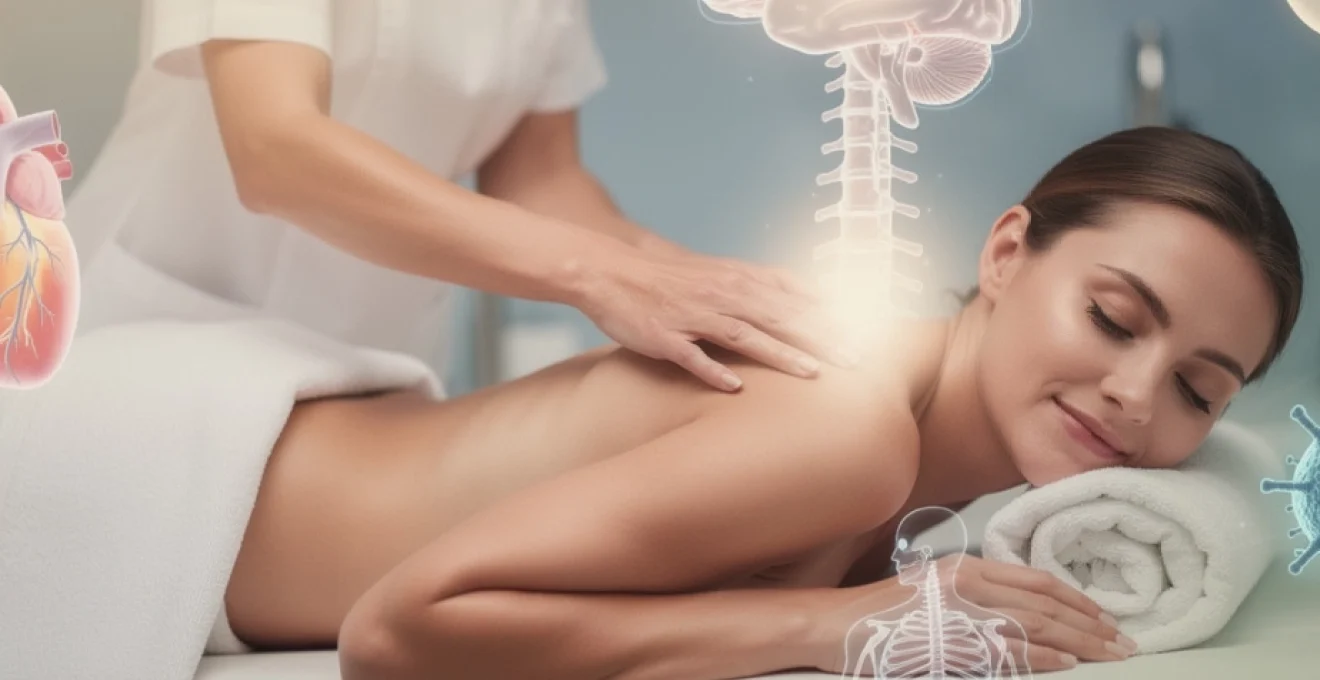
The ancient practice of massage therapy has evolved from a luxury indulgence into a scientifically-backed healthcare intervention with profound physiological benefits. Modern research reveals that therapeutic massage generates measurable changes across multiple body systems, from neurological responses to cardiovascular improvements. Understanding these mechanisms helps explain why millions of people worldwide incorporate regular massage sessions into their wellness routines, seeking relief from chronic pain, stress-related disorders, and general health maintenance.
Contemporary massage therapy encompasses various techniques, each designed to target specific physiological pathways and health outcomes. Whether through gentle Swedish strokes or intensive deep tissue manipulation, these therapeutic interventions activate complex biological processes that promote healing, reduce inflammation, and enhance overall wellbeing. The evidence supporting massage therapy continues to strengthen, positioning it as an essential component of integrative healthcare approaches.
Physiological mechanisms of massage therapy on human body systems
The human body responds to massage through intricate physiological processes that affect multiple organ systems simultaneously. These responses occur at cellular, tissue, and systemic levels, creating cascading effects that extend far beyond the immediate treatment area. Understanding these mechanisms provides insight into why massage therapy produces such wide-ranging health benefits and explains its effectiveness in treating diverse medical conditions.
Parasympathetic nervous system activation through swedish massage techniques
Swedish massage techniques specifically target the parasympathetic nervous system, initiating what researchers call the “relaxation response.” This physiological state directly opposes the stress-induced sympathetic activation that characterises modern life. During massage, gentle pressure and rhythmic movements stimulate mechanoreceptors in the skin and deeper tissues, sending signals through the spinal cord to the brain stem.
The resulting parasympathetic activation triggers measurable changes throughout the body. Heart rate decreases typically by 10-15 beats per minute, blood pressure drops by an average of 5-10 mmHg, and respiratory patterns shift toward deeper, slower breathing. These changes create an optimal environment for healing and recovery, allowing the body to redirect energy from stress responses toward restorative processes.
Cortisol reduction and endorphin release during deep tissue manipulation
Deep tissue massage techniques produce significant hormonal changes that affect mood, pain perception, and stress levels. Research demonstrates that a single 60-minute massage session can reduce cortisol levels by up to 30%, whilst simultaneously increasing endorphin production by 15-20%. This dual hormonal response explains why massage therapy proves effective for both physical discomfort and psychological wellbeing.
The cortisol reduction occurs through direct pressure on muscle tissues, which signals the hypothalamic-pituitary-adrenal axis to decrease stress hormone production. Meanwhile, the mechanical stimulation of pressure points triggers endorphin release from the pituitary gland, creating natural pain relief that can last for several hours post-treatment. This biochemical response forms the foundation for massage therapy’s effectiveness in treating chronic pain conditions.
Circulatory enhancement through manual lymphatic drainage methods
Manual lymphatic drainage techniques enhance circulation by directly manipulating lymphatic vessels and improving venous return. This specialised approach uses light, rhythmic pressure to encourage lymphatic flow, which normally relies solely on muscle contractions and breathing patterns. The technique proves particularly effective for individuals with circulation impairments or those recovering from surgery.
Enhanced circulation delivers increased oxygen and nutrients to tissues whilst facilitating the removal of metabolic waste products. Studies show that massage can increase local blood flow by 200-300% in treated areas, with effects lasting up to four hours after treatment. This improved circulation accelerates healing processes, reduces inflammation, and contributes to the overall rejuvenating effects of massage therapy.
Myofascial trigger point deactivation and pain gate theory application
Trigger point therapy utilises the pain gate theory to provide relief from muscular tension and chronic pain patterns. According to this theory, non-painful sensations can block pain signals from reaching the brain by overwhelming the neural pathways. Massage therapists apply sustained pressure to trigger points, creating therapeutic sensations that effectively “close the gate” on pain transmission.
The deactivation of myofascial trigger points also addresses the root causes of referred pain patterns. These hyper-irritable spots in muscle tissue often create pain sensations in distant body areas, making diagnosis
and treatment more complex. By applying gradual, sustained compression and gentle stretching, therapists can interrupt the dysfunctional contraction within the muscle fibres and surrounding fascia. This restores normal length–tension relationships, improves local circulation, and reduces the build-up of metabolic waste products such as lactic acid. In practice, clients often notice not only a reduction in local tenderness but also an easing of seemingly unrelated symptoms, such as tension headaches or radiating arm pain, once key trigger points have been deactivated.
Evidence-based health outcomes from clinical massage studies
Beyond the immediate sensation of relaxation, a growing body of clinical research demonstrates that massage therapy produces measurable, long-term health outcomes. Randomised controlled trials and systematic reviews now document benefits for cardiovascular health, chronic pain syndromes, sleep quality, and immune function. When we ask how a relaxing massage benefits your health, the answer is increasingly grounded in quantified changes rather than anecdotal reports alone.
These studies reveal that regular massage sessions can serve as a complementary treatment for various medical conditions, often reducing reliance on medication and enhancing the effectiveness of other therapies such as physiotherapy or psychotherapy. For many patients, massage fits seamlessly into a holistic self-care plan, supporting both physical and psychological resilience. As evidence accumulates, healthcare providers are more willing to recommend massage as part of an integrated, evidence-based treatment strategy.
Hypertension management through therapeutic touch research findings
Hypertension, or high blood pressure, is one of the most common conditions addressed through relaxation massage. Several clinical trials have shown that regular Swedish or relaxation massage can reduce both systolic and diastolic blood pressure in people with mild to moderate hypertension. In some studies, participants receiving weekly massage for four to six weeks experienced average blood pressure reductions comparable to those seen with first-line lifestyle interventions such as moderate exercise.
The mechanisms behind these improvements are multifactorial. Parasympathetic activation reduces vascular resistance, while decreased cortisol levels minimise chronic stress-induced vasoconstriction. Additionally, the improved endothelial function and enhanced circulation triggered by massage help the blood vessels respond more flexibly to changing demands. For individuals already on antihypertensive medication, massage is not a replacement but a powerful adjunct that can support overall cardiovascular health and may, under medical supervision, contribute to more stable readings.
Chronic pain reduction in fibromyalgia and arthritis patients
Fibromyalgia and osteoarthritis are two conditions where relaxing massage demonstrates particularly meaningful benefits. Patients with fibromyalgia often experience widespread pain, tender points, and sleep disturbances, all of which respond positively to gentle, consistent manual therapy. Clinical trials have reported reductions in pain intensity scores of 20–30% after a series of massage sessions, along with improvements in fatigue and mood.
For individuals living with osteoarthritis, especially in weight-bearing joints such as the knees and hips, massage helps by reducing periarticular muscle tension, improving joint lubrication, and supporting better movement patterns. In some studies, participants receiving weekly massage reported improved functional ability, such as easier stair climbing or longer walking distances, after just one month. While massage cannot reverse joint degeneration, it can significantly reduce the muscular guarding and inflammation that exacerbate arthritic pain.
Sleep quality improvement through massage-induced serotonin production
One of the most frequently reported benefits of a relaxing massage is better sleep. Beyond feeling “sleepy” after a session, research indicates that massage can enhance both the quantity and quality of sleep by influencing key neurotransmitters. Gentle pressure and rhythmic strokes increase serotonin levels, a precursor to melatonin, the hormone responsible for regulating sleep–wake cycles.
In clinical studies, individuals with insomnia, chronic pain, or anxiety-related sleep disturbances often show improvements after a series of massage treatments. They fall asleep more quickly, wake less frequently during the night, and report feeling more refreshed in the morning. For many people, integrating a relaxing massage into their evening routine once or twice a month acts like pressing a “reset button” on the nervous system, helping to break cycles of tension, overthinking, and poor sleep.
Immune system strengthening via natural killer cell activation
Perhaps one of the most intriguing findings in massage research is its effect on immune function. Several studies have observed increases in the activity and number of natural killer (NK) cells following regular massage sessions. NK cells are a type of white blood cell essential for identifying and destroying virus-infected or abnormal cells, playing a crucial role in frontline immune defence.
This immune enhancement appears linked to reduced stress hormones and improved lymphatic circulation. When cortisol remains chronically elevated, immune function is suppressed; by lowering cortisol and promoting relaxation, massage helps restore a more balanced immune response. While massage is not a cure for illness, it can support your body’s natural defences, making it a valuable tool during periods of high stress, recovery from illness, or when you want to maintain robust overall health.
Neuromuscular benefits of professional massage modalities
From a neuromuscular perspective, therapeutic massage acts as both a mechanical and neurological intervention. On a mechanical level, techniques such as effleurage, petrissage, myofascial release, and deep tissue strokes physically manipulate muscle fibres, tendons, and fascia. This improves tissue pliability, breaks down adhesions, and restores optimal sliding between layers of soft tissue. On a neurological level, massage influences muscle spindle activity and Golgi tendon organ responses, recalibrating how muscles sense stretch and tension.
Have you ever noticed how a tight shoulder suddenly feels “lighter” and easier to move after a skilled therapist works on it? This is not just subjective perception. Studies show that targeted massage can increase joint range of motion, improve muscle strength by optimising recruitment patterns, and reduce neuromuscular fatigue. For athletes, office workers, and anyone performing repetitive tasks, regular massage helps correct muscular imbalances, supports better posture, and reduces the risk of overuse injuries.
Another important neuromuscular benefit is the reduction of muscle spasms and cramps. When a muscle goes into spasm, the body often responds with protective tightening in surrounding tissues, creating a self-perpetuating loop of pain and guarding. Through controlled pressure, stretching, and rhythmic movement, massage interrupts this loop, decreasing hyper-excitability in the affected nerves and allowing the muscle to return to its normal resting length. Over time, this leads to more efficient movement patterns and less susceptibility to sudden, painful cramps.
Psychological wellness enhancement through massage therapy applications
The psychological benefits of a relaxing massage are profound and increasingly well documented. In a world where chronic stress, anxiety, and burnout are common, the opportunity to disengage from external demands and reconnect with the body is therapeutic in itself. Massage creates a structured space of safety, warmth, and non-judgmental touch, which can have a powerful calming effect on the mind.
Neurochemically, massage has been shown to increase levels of serotonin and dopamine—two key neurotransmitters associated with mood regulation, motivation, and a sense of wellbeing. At the same time, reductions in cortisol and adrenaline temper the physiological “fight or flight” response. This combination helps explain why people often leave a session feeling not just physically looser but also emotionally lighter, more centred, and better able to cope with daily stressors.
For individuals living with anxiety disorders, mild to moderate depression, or work-related burnout, regular massage can serve as an effective adjunct to psychological therapies. It does not replace counselling or medical treatment, but it complements them by addressing the physical manifestations of emotional distress—tight muscles, shallow breathing, headaches, and digestive discomfort. In many cases, clients report that releasing tension in the body makes it easier to process emotions and engage more fully with talk-based therapies.
There is also a relational aspect to massage that supports psychological wellness. Consensual, professional touch reinforces a sense of being cared for and respected, which can be especially meaningful for people who feel isolated or disconnected. You might think of a relaxing massage as a “reset” for both nervous system and mindset, helping you shift from survival mode into a state where rest, reflection, and healing are possible.
Cardiovascular system improvements from regular massage sessions
The cardiovascular system responds rapidly and positively to relaxation massage. As parasympathetic activity increases and stress hormones decline, heart rate and blood pressure typically fall within minutes of starting a session. For many clients, this translates into a tangible sense of their heart “settling” and their breathing becoming more regular and full. Over time, these repeated bouts of cardiovascular relaxation can contribute to improved baseline measures.
Research suggests that regular massage may enhance vascular function by improving endothelial responsiveness—the ability of blood vessels to dilate and constrict appropriately. This improved flexibility reduces strain on the heart and supports more efficient circulation throughout the body. Enhanced venous return, facilitated by strokes performed in the direction of the heart, also helps prevent pooling of blood in the extremities and can reduce symptoms such as swollen ankles or heavy legs.
Another key cardiovascular benefit lies in the reduction of systemic inflammation. Chronic stress, poor sleep, and sedentary habits can all elevate inflammatory markers that contribute to atherosclerosis and other heart-related conditions. By lowering stress levels, improving sleep quality, and encouraging regular movement and body awareness, massage indirectly supports a healthier cardiovascular profile. Think of it as part of a comprehensive heart-care strategy alongside exercise, nutrition, and medical monitoring.
For individuals with existing cardiovascular concerns, such as controlled hypertension or early-stage heart disease, massage should always be discussed with a healthcare provider. When appropriately tailored—using gentle pressure, avoiding overly strenuous techniques, and monitoring comfort—relaxing massage can offer a safe and enjoyable way to support heart health and overall circulation.
Contraindications and safety considerations for therapeutic massage practice
While relaxing massage offers extensive benefits, it is not suitable for every person or every situation. Understanding contraindications—conditions where massage should be modified or avoided—is essential for safe practice. Broadly, these fall into two categories: absolute contraindications, where massage should not be performed at all, and relative contraindications, where treatment can proceed with adaptations and medical guidance.
Absolute contraindications include acute infections with fever, contagious skin diseases, uncontrolled hypertension, deep vein thrombosis, and recent significant trauma such as fractures or major surgery without medical clearance. In these cases, massage could worsen symptoms, dislodge a blood clot, or spread infection. Likewise, areas with open wounds, active inflammation, or severe bruising should not be massaged directly until healing has progressed.
Relative contraindications are more common and require careful assessment and communication. These include pregnancy, diabetes, osteoporosis, cancer, cardiovascular disease, and certain neurological conditions. For example, many pregnant clients benefit enormously from specialised prenatal massage, but positioning, pressure, and timing must be adjusted to protect both parent and baby. Individuals undergoing cancer treatment may find massage helpful for pain, anxiety, and sleep, yet therapists need oncology-specific training to adapt techniques safely.
Medications also influence how massage should be applied. Blood thinners increase the risk of bruising, so deep pressure may not be appropriate. Pain medications can mask discomfort, making it harder to gauge safe pressure levels; in such cases, therapists rely more on visual cues and client feedback. This is why honest communication about your medical history, medications, and current symptoms is crucial before any session begins.
From a practical standpoint, choosing a qualified, insured massage therapist who follows professional hygiene and ethical standards is one of the best ways to protect your health. If you have a chronic medical condition or complex health history, consider seeking a therapist who works closely with healthcare professionals or has additional training in clinical or remedial massage. When applied thoughtfully and safely, relaxing massage can be a powerful ally in your long-term health strategy, complementing medical care and enhancing your overall quality of life.