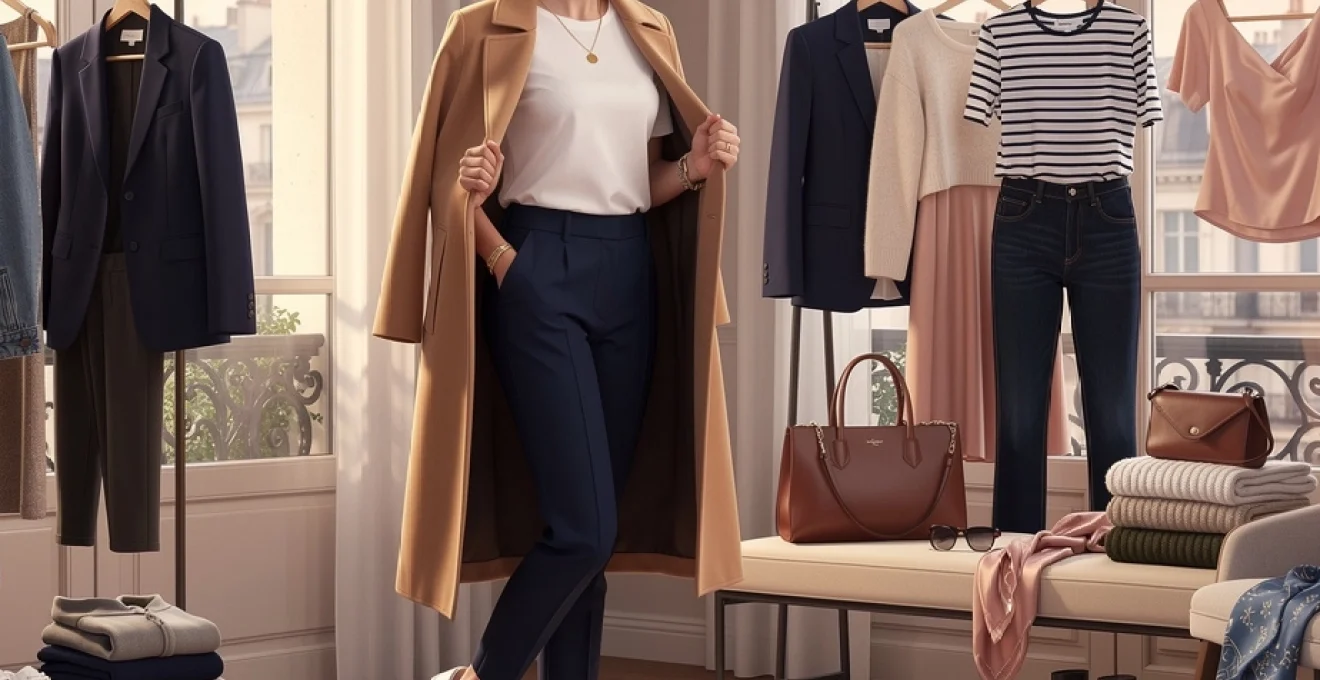
The art of looking effortlessly polished has captivated fashion enthusiasts for decades, yet achieving this seemingly natural elegance remains elusive for many. True sartorial sophistication emerges not from an overflowing wardrobe or slavish devotion to trends, but from understanding the fundamental principles of thoughtful dressing. When you master the delicate balance between comfort and refinement, your personal style becomes an authentic extension of your personality rather than a carefully constructed facade.
The contemporary approach to effortless style prioritises versatility, quality, and strategic simplicity. This philosophy acknowledges that modern lifestyles demand clothing that transitions seamlessly from professional obligations to personal pursuits whilst maintaining an air of considered elegance. By focusing on foundational pieces, refined styling techniques, and subtle enhancement strategies, you can cultivate a wardrobe that serves both your practical needs and aesthetic aspirations.
Capsule wardrobe architecture: building versatile style foundations
The capsule wardrobe concept revolutionises how you approach personal style by establishing a carefully curated collection of interchangeable pieces. This strategic framework eliminates decision fatigue whilst ensuring every garment serves multiple purposes within your lifestyle. The most successful capsule wardrobes comprise approximately 30-40 pieces per season, including clothing, shoes, and outerwear, creating endless combination possibilities from a streamlined selection.
Essential neutral base pieces: camel coats and navy blazers
Investment outerwear forms the cornerstone of any sophisticated wardrobe architecture. A well-tailored camel coat provides instant elevation to casual ensembles whilst complementing both warm and cool undertones in your complexion. The versatility of camel extends beyond seasonal considerations, as this timeless hue pairs beautifully with navy, cream, burgundy, and forest green combinations.
Navy blazers represent perhaps the most universally flattering wardrobe staple, offering professional polish for business settings and relaxed sophistication for weekend gatherings. The key lies in selecting blazers with impeccable construction details: properly set shoulders, quality buttons, and proportionate lapel width that complements your body shape. Consider investing in both structured and unstructured versions to accommodate different styling requirements throughout your week.
Strategic colour palette selection using the 5-piece formula
Successful capsule wardrobes operate on carefully orchestrated colour harmonies that ensure every piece coordinates effortlessly with others. The 5-piece formula comprises two neutrals, two supporting colours, and one accent shade that reflects your personality. This mathematical approach eliminates guesswork whilst maintaining visual interest across all your outfit combinations.
Neutral selections might include navy and cream, providing sophisticated foundations for building outfits. Supporting colours such as dusty rose and sage green add depth without overwhelming the palette, whilst an accent colour like terracotta introduces personality and prevents monotony. This strategic limitation actually expands your styling possibilities by ensuring compatibility across all garments.
Investment piece hierarchy: quality over quantity principles
Understanding where to allocate your budget requires analysing cost-per-wear ratios and longevity expectations for different garment categories. Prioritise exceptional quality in pieces that receive frequent use or form the foundation of multiple outfits. Tailored blazers, wool coats, leather handbags, and well-fitted trousers justify higher investments due to their versatility and durability.
Conversely, trendy accessories, seasonal knitwear, and experimental silhouettes can be sourced more economically since they typically have shorter style lifespans. This hierarchical approach ensures your wardrobe budget maximises both immediate impact and long-term satisfaction whilst building a collection that improves with age rather than becoming dated.
Seasonal transition layering systems
Effective transitional dressing requires understanding how individual pieces function within layering systems throughout changing weather conditions. Lightweight cashmere cardigans, silk scarves, and versatile blazers bridge seasonal gaps whilst maintaining style consistency. These transitional pieces extend the wearability of summer dresses into autumn and transform winter basics into spring-appropriate ensembles.
Consider creating outfit formulas that accommodate temperature variations without compromising style integrity. A midi dress paired with ankle boots and
Consider creating outfit formulas that accommodate temperature variations without compromising style integrity. A midi dress paired with ankle boots and a cropped denim jacket works just as well with bare legs in early autumn as it does with opaque tights and a wool coat in winter. Similarly, a lightweight turtleneck layered under a slip dress extends the life of your favourite summer pieces. By thinking of your wardrobe as a modular system rather than isolated items, you make it far easier to stay stylish when the weather can’t quite make up its mind. Over time, these repeatable layering systems become second nature, so you spend less time wondering what to wear and more time simply getting on with your day.
Effortless styling techniques: the french girl method
Effortless style is often associated with the mythical “French girl wardrobe”, but beneath the romance lies a set of very practical styling habits. Rather than chasing every micro-trend, the French approach focuses on a few elevated basics, worn on repeat, and styled with subtle nonchalance. Think well-cut jeans, a striped tee, a trench coat, and a simple silk blouse worn in endless combinations. The magic comes from how these pieces are styled: slightly undone, never overworked, and always anchored by confidence. You can borrow this method regardless of where you live or what your personal aesthetic looks like.
Parisian undone elegance: hair and makeup minimalism
Undone elegance starts long before you choose your outfit; it begins with hair and makeup. Rather than elaborate hairstyles and heavy contouring, the French-inspired approach favours a fresh base, softly defined eyes, and one focal point such as a bold lip or flushed cheeks. Hair is rarely over-styled: loose waves, a low bun with a few pieces pulled out, or a simple ponytail looks intentional yet relaxed. This minimal makeup routine not only saves time on busy mornings but also ensures your clothes remain the primary style statement.
From a practical perspective, think of your beauty routine as the frame around a painting: its purpose is to enhance, not distract. Investing in regular trims, a flattering hair colour, and good skincare often has more impact than a complicated makeup routine. You might keep a “five-minute face” kit ready for rushed days: tinted moisturiser, brow gel, mascara, cream blush, and your favourite lipstick. When your grooming feels consistent but not overdone, even the simplest jeans-and-tee combination appears more composed and considered.
Tucking and rolling mastery: the half-tuck and french tuck
Subtle styling tweaks such as tucking and rolling can completely change the silhouette of an outfit. The half-tuck, sometimes called the French tuck, involves tucking just the front section of your shirt into your waistband and leaving the back loose. This small adjustment defines your waist, elongates your legs, and introduces that relaxed-but-intentional vibe associated with effortless style. It works particularly well with oversized shirts, lightweight knits, and even simple T-shirts.
Similarly, cuffing your sleeves or rolling your trouser hems adds instant structure and balance. Rolling the sleeves of a crisp button-down softens its formality, making it suitable for casual lunches or creative offices. Folding the hem of straight-leg jeans to show a little ankle can modernise proportions and highlight a great pair of shoes. Think of these styling tricks as the fashion equivalent of good posture: minor adjustments that dramatically affect how the whole look is perceived without requiring you to buy anything new.
Proportional balance: high-low mixing strategies
One of the most effective ways to look put-together without trying too hard is to master proportional balance. This means deliberately combining fitted pieces with looser ones, and refined elements with casual basics, so your outfit feels harmonious. For instance, pair a slouchy knit with slim tailored trousers, or balance wide-leg trousers with a more fitted top. When everything is oversized, the result can look sloppy; when everything is body-hugging, it can feel stiff or uncomfortable. The sweet spot lies in considered contrast.
High-low mixing applies the same philosophy to formality and price point. A simple white T-shirt can look elevated when worn with a sharp blazer and leather loafers, while a silk blouse becomes instantly more relaxed when styled with vintage denim. You might combine an investment handbag with high-street dresses, or wear polished jewellery with canvas trainers. Much like adding a pinch of salt to a dish to bring out the flavour, these deliberate contrasts keep your outfits interesting and modern while still feeling effortless.
Accessory anchoring points: statement pieces vs subtle accents
Accessories act as anchoring points that bring cohesion and character to your look. The key is to decide whether you want one statement piece to take centre stage or a collection of subtle accents that quietly enhance your outfit. A bold pair of earrings, a sculptural necklace, or a vivid handbag can transform a basic jeans-and-blouse combination into something memorable. When you choose a statement accessory, keep the rest of your jewellery and detailing minimal so the overall effect remains chic rather than cluttered.
On days when you prefer subtlety, lean into delicate necklaces, slim rings, and classic watches that layer seamlessly with any outfit. Establishing a small “daily jewellery uniform” — perhaps small hoops, a fine chain, and a signet ring — simplifies your morning routine and creates stylistic continuity. Scarves, belts, and sunglasses also work as anchoring accessories, drawing the eye and framing your features. Ask yourself each morning: “What’s the hero of this outfit?” Then edit your accessories so everything else supports that focal point.
Texture layering mastery for visual interest
When you rely on a streamlined colour palette, texture becomes your primary tool for creating visual interest. Combining different fabrics and finishes — such as chunky knits with smooth leather, crisp cotton with soft cashmere, or matte wool with a hint of satin — adds depth to even the most neutral outfit. Think of it like interior design: a room decorated solely in one material quickly looks flat, whereas a mix of woods, linens, and metals feels rich and inviting. Your wardrobe works in much the same way.
To build an outfit with thoughtful texture layering, start with a simple base such as a cotton T-shirt and tailored trousers. Then add one tactile element at a time: a ribbed cardigan, a suede belt, or a quilted bag. In colder weather, mix wool coats with cashmere scarves and leather gloves, staying within your colour palette so the textures, not the colours, do the talking. This approach is particularly effective for everyday style inspiration when you want to look elevated in outfits built almost entirely from basics.
Texture also plays an important role in figure flattery and comfort. Lighter, fluid fabrics like silk and viscose skim the body and move elegantly, while heavier knits and structured denim provide support where you want more definition. If you’re concerned about adding bulk, keep the chunkiest textures on areas you want to emphasise less, and place smoother fabrics where you want the eye to travel. Over time, you’ll discover which combinations feel the most “you”, turning texture layering into a creative tool rather than a confusing puzzle.
Smart shopping strategies: cost-per-wear analysis
Effortless style becomes much easier to maintain when your wardrobe is built on smart purchasing decisions. Instead of focusing on the initial price tag alone, consider the cost-per-wear of each item — a simple formula where you divide the cost by the number of times you realistically expect to wear it. A £200 coat worn 150 times over three years works out at just over £1 per wear, while a £40 trend piece worn twice costs £20 per wear. When viewed through this lens, investment buying often proves more economical in the long run.
Before you purchase anything new, ask yourself a few key questions: “Can I style this at least three different ways with pieces I already own? Does it work for multiple seasons? Does it align with my long-term style, not just my current mood?” If the answer is no, it may be wise to pause. Many stylists recommend adopting a 24-hour rule for impulse buys: wait a day, revisit the item online or in-store, and see if you still feel strongly about it. This simple habit dramatically reduces clutter and helps you build a more cohesive, capsule-style wardrobe.
Another powerful tactic is to track what you actually wear over a month or two. You might keep a quick note on your phone or hang worn items at one end of your wardrobe rail. Patterns will quickly emerge: perhaps you live in straight-leg jeans and knitwear, or maybe you reach for dresses and ankle boots most days. Armed with this data, you can direct your budget towards high-quality versions of your most-used categories, ensuring every new addition pulls its weight. Smart shopping is less about restriction and more about aligning your purchases with your real life and your ideal personal style.
Occasion-appropriate styling formulas
Having a handful of reliable outfit formulas for different occasions removes much of the stress from getting dressed. Rather than starting from scratch each morning, you draw from pre-tested combinations that you know feel comfortable, polished, and true to your style. These formulas act like templates: you can swap in different colours or accessories while keeping the overall structure the same. Over time, you’ll build a mental library of looks for work, weekends, date nights, and everything in between.
Work-to-weekend transition pieces
The most hard-working wardrobes blur the line between professional and casual dressing through versatile pieces that adapt to multiple settings. A tailored navy blazer, for example, looks boardroom-ready with cigarette trousers and loafers, yet feels off-duty chic layered over a striped tee and jeans at the weekend. Midi dresses in solid colours or subtle prints can be styled with structured flats for the office and swapped for trainers and a denim jacket on days off. When you invest in these “chameleon” items, you naturally reduce the number of clothes you need.
To identify strong work-to-weekend transition pieces, look for clean lines, minimal logos, and high-quality fabrics. Neutral-toned knitwear, slip skirts, and simple shirting all lend themselves to this dual role. Ask yourself, “Could I wear this both to a meeting and to brunch with friends, simply by changing my shoes and accessories?” If the answer is yes, you’ve likely found a piece that will earn a place in your everyday style rotation. This strategy supports a capsule wardrobe structure whilst still keeping your outfits varied and appropriate for different parts of your life.
Elevated casual: athleisure integration techniques
Athleisure has firmly established itself as a cornerstone of modern dressing, but the line between stylish and sloppy can be thin. The key to elevated casual dressing lies in pairing sporty pieces with more refined items so the overall look remains intentional. For instance, you might style tailored joggers with a crisp white shirt and structured coat, or combine a sleek hoodie with a midi skirt and ankle boots. These high-low mixes offer comfort without sacrificing polish, making them ideal for travel days, relaxed offices, or busy weekends.
Fit and fabrication make all the difference when integrating athleisure into an effortlessly stylish wardrobe. Choose leggings and joggers in thicker, non-sheer materials with clean seams and minimal branding; they’ll pair more easily with blazers and classic outerwear. Keep your colour palette consistent with the rest of your wardrobe — blacks, greys, navies, and creams are particularly versatile. Finish the look with tidy sneakers, understated jewellery, and a structured bag to signal that your outfit is thoughtfully composed, not simply gym wear worn all day.
Date night sophistication without overdressing
Date night style can feel like a tightrope: you want to look special without appearing as though you’ve tried too hard. The solution lies in choosing one or two elevated elements and keeping everything else relaxed. A silk camisole with straight-leg jeans and heeled sandals, for example, strikes a perfect balance between casual and refined. Similarly, a simple knit dress paired with statement earrings and a swipe of bold lipstick feels sophisticated yet comfortable enough for dinner, drinks, or a casual stroll.
Consider creating a small “date night capsule” within your wardrobe: a handful of tops, dresses, and accessories that make you feel confident and at ease. These pieces don’t need to be flashy; they just need excellent fit, flattering necklines, and fabrics that feel good against your skin. You might reserve a particular fragrance or piece of jewellery for evenings out, adding a sense of occasion without changing your entire aesthetic. When you trust that your outfit supports you rather than distracting from the moment, your focus shifts to enjoying the experience instead of worrying about what you’re wearing.
Body shape optimisation through strategic styling
Effortless style is not about forcing your body into specific trends but about understanding your proportions and dressing in a way that feels both flattering and comfortable. Strategic styling starts with observation: notice which silhouettes you naturally gravitate towards and in which outfits you receive the most compliments. Do high-waisted trousers make you feel taller? Do V-necklines open up your frame? These clues help you refine a set of personal style guidelines tailored to your unique shape rather than generic rules.
One helpful approach is to think in terms of creating balance. If you have broader shoulders, for example, you might soften your upper half with V-necks and fluid fabrics while adding structure or volume to your lower half with A-line skirts or wide-leg trousers. If you’re fuller through the hips, straight or slightly flared leg lines can visually elongate your frame, especially when paired with a tucked-in top to highlight your waist. Petite frames often benefit from cropped lengths and monochrome outfits, which reduce visual breaks and give the illusion of height.
Accessories also play a powerful role in body shape optimisation. Belts can define the waist, long necklaces draw the eye vertically, and pointed-toe shoes create the impression of longer legs. Even the placement of a handbag matters: crossbody straps that sit at the widest part of your hips may emphasise that area, while slightly shorter straps can create a more balanced line. Rather than aiming for a single “ideal” body shape, the goal is to use these tools to highlight the features you love most. When your clothes work with your body instead of against it, that elusive “put-together without trying too hard” feeling becomes your everyday reality.