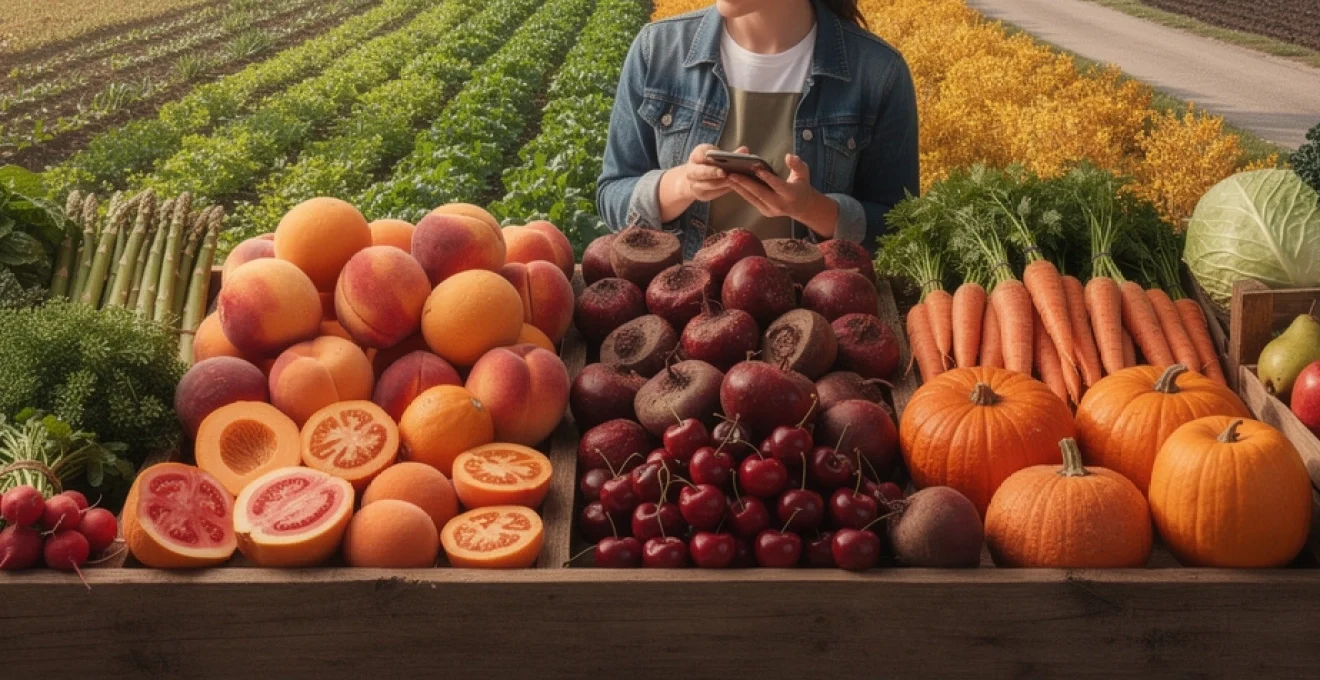
The modern food system has created an illusion of endless abundance, where strawberries appear in supermarket aisles during winter months and imported asparagus travels thousands of miles to reach our plates year-round. Yet beneath this apparent convenience lies a fundamental disconnect from the natural rhythms that have sustained human nutrition for millennia. Choosing seasonal fruit and vegetables represents more than just a dietary preference—it embodies a conscious return to eating patterns that maximise nutritional value, support environmental sustainability, and celebrate the authentic flavours that nature intended.
This shift towards seasonal consumption isn’t merely a nostalgic embrace of traditional practices. Scientific research increasingly demonstrates that produce harvested at peak ripeness delivers superior nutritional density, enhanced flavour profiles, and reduced environmental impact compared to their out-of-season counterparts. The implications extend beyond personal health benefits, encompassing broader considerations of agricultural biodiversity, local economic support, and sustainable food system resilience.
Nutritional density and micronutrient profiles in Peak-Season produce
The nutritional composition of fruits and vegetables undergoes dramatic changes throughout their growing cycle, with peak-season harvesting representing the optimal window for maximum nutrient density. Research conducted by agricultural scientists reveals that produce picked at full maturity contains significantly higher concentrations of vitamins, minerals, and phytonutrients compared to prematurely harvested specimens designed for extended transportation and storage.
Vitamin C concentration variations in summer stone fruits versus winter storage
Summer stone fruits exemplify the profound nutritional advantages of seasonal consumption. Fresh peaches harvested during their natural growing season contain up to 40% higher vitamin C levels than those picked early and stored for winter distribution. The enzymatic processes that continue after harvest rapidly degrade ascorbic acid, with studies indicating vitamin C losses of 15-77% within just one week of picking.
Stone fruits like apricots, plums, and nectarines demonstrate similar patterns, with their antioxidant capacity reaching maximum levels only when allowed to ripen fully on the tree. The cellular structure of these fruits develops complex sugar-acid balances that cannot be replicated through post-harvest ripening processes, resulting in both nutritional and flavour compromises in out-of-season varieties.
Antioxidant compound development during natural ripening cycles
The natural ripening process triggers sophisticated biochemical pathways that synthesise powerful antioxidant compounds. Anthocyanins, flavonoids, and other polyphenolic substances develop their maximum concentrations only when fruits and vegetables mature under appropriate environmental conditions. Berries harvested during their peak summer season contain three times more anthocyanins than those grown in controlled greenhouse environments or imported from different hemispheres.
Temperature fluctuations, soil mineral content, and natural light cycles all contribute to the development of these protective compounds. Artificially controlled growing environments, while enabling year-round production, cannot fully replicate the stress responses that trigger maximum antioxidant synthesis in plants. This biological reality underscores why seasonal produce consistently demonstrates superior protective properties against oxidative damage and inflammation.
Polyphenol content analysis in heritage tomato varieties at peak harvest
Heritage tomato varieties showcase the remarkable polyphenol diversity achievable through seasonal cultivation. Analysis of peak-season heritage tomatoes reveals polyphenol concentrations up to 60% higher than their commercially produced counterparts grown in heated greenhouse systems. These compounds, including lycopene, quercetin, and caffeic acid derivatives, contribute not only to the fruit’s vibrant colours and complex flavours but also to their substantial health-promoting properties.
The development of polyphenol compounds responds directly to environmental stressors such as ultraviolet radiation, temperature variations, and natural growing conditions. Tomatoes ripened under natural sunlight during their traditional growing season accumulate significantly higher levels of these beneficial compounds compared to those produced in artificial environments designed to extend growing seasons.
Carotenoid bioavailability in fresh autumn root vegetables
Autumn root vegetables demonstrate peak carotenoid bioavailability when harvested during their natural season. Carrots, sweet potatoes, and winter squash varieties develop their characteristic orange pigmentation through caro
tenoid synthesis, particularly beta-carotene, when exposed to cool nights and bright autumn days. These environmental cues act much like a training programme for plants, encouraging them to concentrate protective pigments that later become vital nutrients in your diet. When you eat seasonal carrots or squash that have matured in cooler soils, you benefit from carotenoids that are not only more concentrated but also more bioavailable once cooked with a small amount of healthy fat.
Out-of-season root vegetables, often grown rapidly under artificial light or harvested before full maturity for long-distance transport, tend to contain lower levels of these beneficial pigments. In contrast, autumn-harvested roots that have been allowed to develop slowly in the ground accumulate dense stores of beta-carotene and other carotenoids that your body converts into vitamin A. Simple preparation methods—such as roasting carrots with olive oil or gently steaming sweet potatoes—enhance carotenoid absorption, allowing you to take full advantage of the nutritional power of seasonal produce.
Environmental impact and carbon footprint reduction through local sourcing
The environmental impact of your fruit and vegetable choices extends far beyond the supermarket shelf. Selecting seasonal produce that is grown locally or regionally significantly reduces the carbon footprint associated with your diet. Every kilometre that food travels from field to fork requires fuel, refrigeration, and packaging, all of which contribute to greenhouse gas emissions. By aligning your shopping habits with the natural growing calendar, you help minimise these hidden environmental costs while supporting more sustainable agricultural practices.
Environmental sustainability is not just an abstract concept; it is measurable in terms of food miles, energy consumption, soil health, and water use. Seasonal fruit and vegetables grown in open fields rely more on natural rainfall and sunlight, while out-of-season alternatives often depend on heated polytunnels, artificial lighting, and intensive irrigation. When you opt for seasonal produce, you choose a production system that typically uses fewer inputs and generates fewer emissions, thereby making your everyday meals part of a wider climate-conscious lifestyle.
Food mile calculations for imported versus regional seasonal produce
Food miles—the distance food travels from producer to consumer—are a simple yet powerful way to visualise the environmental impact of your shopping basket. A punnet of berries flown in from another continent during winter can easily clock up several thousand kilometres before it reaches your kitchen. In contrast, the same quantity of berries purchased in midsummer from a local farm shop may have travelled less than 50 kilometres. This dramatic difference in distance translates directly into variations in fuel consumption and CO2 emissions.
Research conducted in the UK suggests that food transport accounts for up to 25% of all food-related emissions, with air-freighted fresh produce among the most carbon-intensive items. When you choose seasonal fruit and vegetables grown in your region, you effectively cut out a large portion of that transport footprint. Although not every imported product is inherently unsustainable, prioritising regional seasonal options wherever possible is one of the most straightforward ways to reduce the environmental impact of your weekly shop.
Greenhouse gas emissions from heated polytunnel production systems
Heated polytunnels and glasshouse systems make it possible to grow crops like tomatoes, cucumbers, and peppers throughout the year, even in colder climates. However, this technological advantage comes at a cost. Maintaining artificially warm temperatures during winter requires significant energy input, often from fossil fuels, which in turn generates considerable greenhouse gas emissions. A tomato grown in a heated glasshouse in January can have a carbon footprint several times higher than a tomato grown outdoors in July.
While protected cultivation can be part of a balanced, resilient food system—especially when powered by renewable energy—year-round reliance on heated environments undermines the environmental benefits of plant-based diets. By eating tomatoes, peppers, and other warmth-loving crops primarily in their natural season, you reduce demand for energy-intensive production methods. In simple terms, waiting for summer for your salad ingredients is one of the easiest ways to support lower-emission agriculture without sacrificing enjoyment.
Soil health regeneration through crop rotation practices
Seasonal growing is closely linked with crop rotation, an agricultural practice in which different crops are planted in sequence on the same land to restore soil nutrients and break pest and disease cycles. Root vegetables, leafy greens, legumes, and brassicas each use and replenish different minerals in the soil. When farmers follow seasonal crop rotations, they allow the soil to regenerate naturally, reducing the need for synthetic fertilisers and pesticides. Healthier soils sequester more carbon, retain more water, and support a wider diversity of soil organisms.
Continuous out-of-season cultivation of the same crop, especially in intensive systems, can exhaust soil nutrients and increase susceptibility to pests and diseases. This leads to heavier reliance on chemical inputs, which can degrade soil structure and harm beneficial microorganisms over time. By choosing seasonal fruit and vegetables from farms that practise thoughtful rotation, you indirectly reward land-management strategies that improve long-term soil health and contribute to climate resilience.
Water conservation metrics in rain-fed versus irrigated seasonal growing
Water use is another critical dimension of sustainable food choices. Seasonal crops that are grown in harmony with local rainfall patterns typically require far less irrigation than out-of-season crops forced to grow under unsuitable conditions. Rain-fed fields harness natural precipitation, reducing pressure on rivers, reservoirs, and groundwater reserves. In contrast, water-intensive irrigation systems, especially in regions already facing water stress, can contribute to declining aquifers and degraded ecosystems.
When you select seasonal produce grown in your own climate zone, you are more likely to be supporting water-efficient agriculture that works with, rather than against, local weather patterns. For example, leafy greens and brassicas grown in cool, wet seasons need minimal additional water, whereas the same crops produced in hot, dry conditions require heavy irrigation. Over time, widespread consumer preference for seasonal, rain-fed crops can help drive a shift towards farming systems that conserve water and protect local hydrological cycles.
Economic advantages and market price fluctuations
Seasonal fruit and vegetables also offer clear economic advantages for both consumers and producers. When crops are in peak season, fields and orchards yield abundantly, creating a natural surplus that lowers market prices. You may have noticed how strawberries, courgettes, or pumpkins become noticeably cheaper when they are overflowing from local farms. This is not a coincidence—it reflects fundamental supply and demand dynamics that you can use to your advantage when planning a cost-effective, healthy diet.
From the farmer’s perspective, focusing on seasonal production helps optimise the use of land, labour, and inputs. Growing crops when conditions are naturally favourable reduces energy costs and crop losses, improving overall profitability. Local markets, farm shops, and community-supported agriculture schemes can then pass some of these savings on to you. By aligning your shopping habits with seasonal availability, you not only pay less per kilo, but you also support a more stable and resilient agricultural economy that keeps value within your region.
Flavour profile enhancement and culinary quality factors
The sensory difference between truly seasonal produce and its out-of-season equivalent is often striking. Fruit and vegetables that are allowed to ripen naturally on the plant develop complex flavour compounds—acids, sugars, and aromatic molecules—that create depth and character. A sun-ripened summer tomato, for example, contains a delicate balance of sweetness and acidity along with volatile aroma compounds that simply do not develop in tomatoes harvested green and ripened in transit. When you cook with seasonal ingredients, you start with a higher baseline of flavour, meaning you can rely less on heavy sauces, sugar, or salt.
Chefs and home cooks alike understand that ingredients at their seasonal peak respond better to simple cooking methods. Light grilling, steaming, or roasting is often enough to highlight their natural sweetness and texture. Have you ever noticed how minimal seasoning is needed for freshly picked asparagus or new potatoes? Seasonal fruit and vegetables offer a kind of built-in culinary quality control, making it easier for you to create satisfying meals without complex techniques or long ingredient lists. In this way, seasonal eating supports both healthier and more enjoyable cooking.
Agricultural biodiversity preservation and heirloom variety conservation
Choosing seasonal fruit and vegetables also plays a vital role in preserving agricultural biodiversity. Modern industrial agriculture tends to rely on a limited range of high-yielding, uniform varieties bred for long shelf life and ease of transport. While efficient, this narrow genetic base can make food systems more vulnerable to pests, diseases, and climate change. Seasonal, local markets, on the other hand, often provide a space for heirloom and heritage varieties—tomatoes with unusual colours, apples with distinct regional flavours, or beans adapted to specific microclimates—to thrive.
When you buy these distinctive seasonal varieties, you create demand that encourages farmers to keep growing them. This helps maintain a diverse genetic pool that can be crucial for breeding future crops capable of withstanding emerging challenges, from new plant diseases to changing rainfall patterns. Agricultural biodiversity functions much like financial diversification: the more varied the portfolio, the more resilient it becomes. Your seasonal shopping choices therefore contribute, in a small but meaningful way, to safeguarding the richness and resilience of our global food heritage.
Optimal storage methods and post-harvest handling techniques
Even the freshest seasonal produce can lose nutrients and flavour if it is not handled and stored correctly. Understanding basic post-harvest techniques helps you make the most of seasonal abundance, reducing food waste and preserving quality. Gentle handling to prevent bruising is essential, as damaged tissues deteriorate more quickly and invite microbial spoilage. Cooling produce soon after harvest slows respiration and nutrient loss, particularly for leafy greens and berries, which are highly perishable.
Different fruits and vegetables have distinct storage needs, and a seasonal approach can make it easier to respect these requirements. Root vegetables harvested in autumn often store well in cool, dark, and slightly humid conditions, making them ideal candidates for cellars or insulated cupboards. In contrast, tomatoes, stone fruits, and many summer crops retain better flavour and texture at room temperature, away from direct sunlight. By matching storage strategies to each seasonal crop, you help preserve vitamins, antioxidants, and flavour compounds, extending the enjoyment of peak-season produce in your kitchen.